Head-on collisions are among the most dangerous types of traffic accidents. These crashes occur when two vehicles traveling in opposite directions collide on their front-ends. Because both vehicles absorb the combined force of impact, the injuries are often severe.
Drivers and passengers involved in these crashes frequently suffer serious physical trauma that may require long-term treatment. Understanding the risks associated with a head-on collision can help victims recognize the importance of medical care and legal protection after such accidents.
In many cases, the injuries from these collisions affect multiple parts of the body at once. The force generated during the crash can cause internal damage, fractures, and head injuries even when seatbelts and airbags are used.
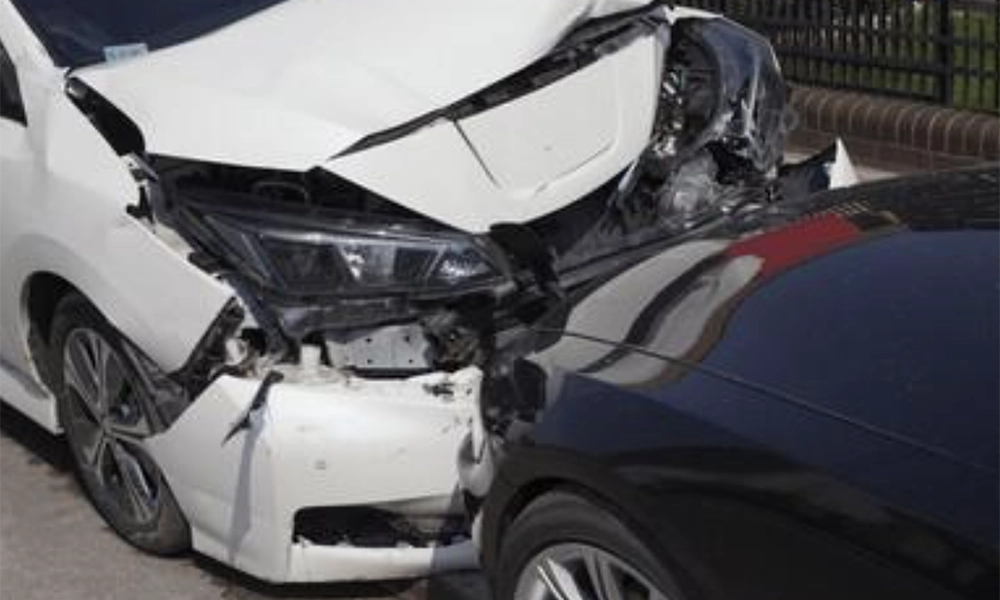
Why Head-On Collisions Are So Dangerous
Head-on crashes involve extreme impact because the vehicles move toward each other at high speed. The combined force multiplies the energy released during the collision, which increases the severity of injuries.
These accidents often happen due to driver error, impaired driving, fatigue, or vehicles drifting into the wrong lane. Even a momentary lapse in attention can lead to devastating consequences.
Traffic safety research shows that head-on collisions represent a small percentage of crashes but cause a significant portion of fatal accidents.
Traumatic Brain Injuries
One of the most common injuries after a head-on collision is a traumatic brain injury. The violent motion of the crash can cause the head to strike the steering wheel, dashboard, or window.
Brain injuries can range from mild concussions to severe trauma that affects memory, concentration, and motor skills. Some victims experience symptoms immediately, while others develop complications days or weeks later.
Because brain injuries may not be visible, medical evaluation is critical after any serious crash.
Spinal Cord and Back Injuries

The spine absorbs a large portion of the force during a head-on collision. As a result, victims often suffer damage to the spinal cord, vertebrae, or surrounding muscles.
Spinal injuries may include:
- Herniated discs
- Nerve compression
- Vertebral fractures
- Partial or complete paralysis
These injuries can lead to chronic pain and mobility issues that require ongoing medical treatment.
Broken Bones and Fractures
The impact of a head-on crash frequently causes broken bones. Arms, legs, ribs, and collarbones are particularly vulnerable because they absorb force during the collision.
Fractures may occur when the body strikes the vehicle interior or when limbs are pinned during the crash. Some fractures require surgery and long recovery periods.
In severe accidents, multiple fractures may occur at the same time.
Internal Injuries and Organ Damage
Not all injuries from a head-on collision are immediately visible. Internal injuries can develop when the force of impact damages organs or causes internal bleeding.
Common internal injuries include:
- Lung damage
- Liver injuries
- Kidney trauma
- Internal bleeding
These injuries are especially serious because symptoms may not appear right away.
Motor vehicle crashes remain a major cause of injury in the United States. Thousands of people are hospitalized every year due to traffic-related injuries.
Steps to Take After a Head-On Collision
Taking the right actions after a crash can protect both health and legal rights. Immediate medical attention is critical because some injuries worsen over time.
Steps to take after a head-on collision:
- Seek medical care immediately, even if injuries seem minor.
- Call law enforcement so that an official accident report can be created.
- Document the crash scene with photos and videos if possible.
- Exchange contact and insurance information with other drivers.
- Collect witness statements if anyone saw the accident occur.
- Keep records of medical treatment and expenses related to injuries.
Prompt action helps create accurate documentation and supports any future insurance or legal claims.
Key Takeaways
- Head-on collisions are among the most severe types of car accidents.
- These crashes often cause traumatic brain injuries and spinal damage.
- Broken bones and fractures are common due to the force of impact.
- Internal injuries can occur even when there are no visible wounds.
- Immediate medical evaluation is essential after a serious crash.
- Proper documentation helps support insurance or legal claims.
- Traffic safety research shows that high-impact crashes cause many serious injuries each year.
- About the Author
- Latest Posts

Our Editorial Team are writers and experts in their field. Their views and opinions may not always be the views of Wellbeing Magazine. If you are under the direction of medical supervision please speak to your doctor or therapist before following the advice and recommendations in these articles.