Digital health tools are gradually changing how people understand and manages their health. What once depended mainly on occasional doctor visits is now supported by continuous access to information, tracking systems, and online medical resources.
Today, individuals are no longer passive recipients of healthcare. They are becoming active participants in monitoring their own wellbeing. From tracking daily habits to learning about treatment options, technology is shaping a more informed and proactive approach to health.
As people explore different aspects of wellness and treatment options online, they often look for clear explanations that break down how certain therapies actually work. For example, resources explaining hormone therapy help readers understand how these treatments support hormonal balance and why they are discussed in modern health conversations.
This kind of accessible information makes it easier for individuals to connect medical knowledge with their own health decisions.
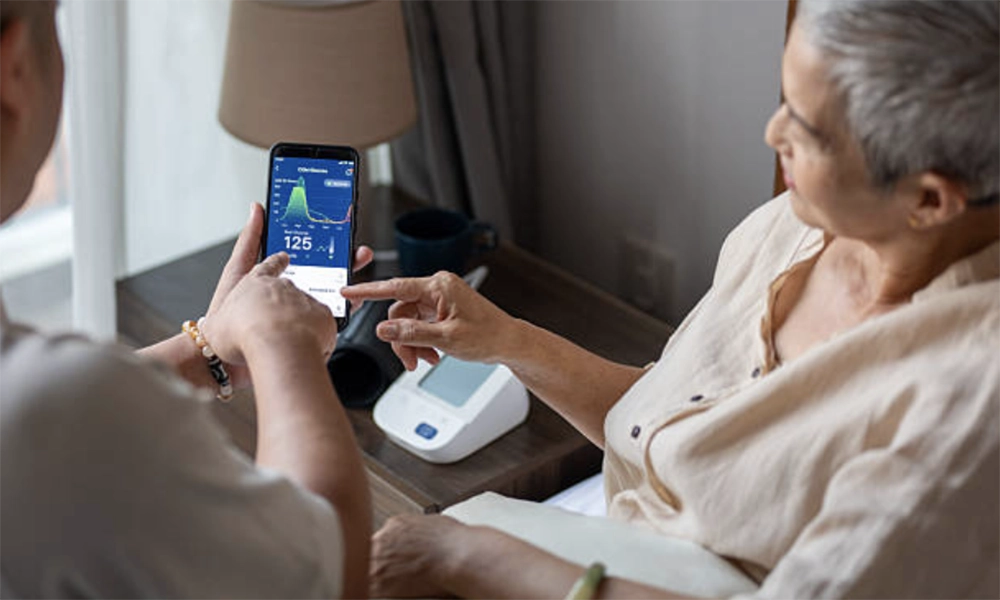
A Shift from Occasional Care to Continuous Awareness
Traditional healthcare systems are largely based on periodic interaction. People visit healthcare providers when symptoms appear or for scheduled checkups.
Digital health tools are shifting this model toward continuous awareness.
Instead of waiting for signs of illness, individuals can now monitor their daily health patterns. This includes tracking sleep quality, activity levels, heart rate, and even subtle changes in energy levels.
Over time, consistent monitoring allows individuals to recognize patterns that might otherwise go unnoticed. Small changes in daily habits can provide early signals, making it easier to respond before they turn into more serious concerns.
This change supports a more proactive way of managing health before problems develop.
Access to Reliable Health Information
One of the most significant advantages of digital health tools is the ability to access detailed health information at any time.
People are no longer limited to short consultations when trying to understand symptoms or treatment options. They can explore in-depth articles, research-based insights, and expert explanations that provide a clearer picture of different health conditions.
This access improves decision-making.
When individuals understand what is happening in their bodies, they are better prepared to discuss concerns with healthcare providers and follow appropriate treatment plans.
At the same time, it becomes important to choose sources carefully, as not all information online is equally reliable.
The Role of Data in Personal Health Decisions
Digital tools provide continuous feedback through data.
This data allows individuals to see how their daily routines influence their health. Patterns related to sleep, activity, and stress levels become easier to identify when tracked over time.
Instead of guessing what might be affecting their wellbeing, people can rely on actual observations.
This creates a stronger connection between habits and outcomes.
When individuals notice that certain behaviors improve how they feel, they are more likely to maintain those changes. This makes health improvements more consistent and sustainable.
Communication and Accessibility in Modern Healthcare
Technology has made it easier for patients and healthcare providers to communicate more effectively.
Virtual consultations and digital communication tools make it easier to seek advice without waiting for in-person appointments. This is especially helpful for individuals who require regular follow-up or ongoing care.
It creates a more continuous connection between patients and professionals.
As a result, healthcare becomes more responsive and accessible, allowing individuals to address concerns earlier rather than delaying them.
Mental Health Support Through Digital Platforms
Digital health tools are increasingly being used to support mental wellbeing.
Many platforms offer features that help individuals track mood patterns, manage stress, and build awareness around emotional changes. These tools provide insights that may not be immediately noticeable in daily life.
Over time, this awareness helps individuals better understand their mental state.
While digital tools are not a replacement for professional care, they can serve as an additional layer of support, especially for those who are beginning to pay more attention to their mental health.
Limitations and Considerations
Despite their advantages, digital health tools also come with certain limitations.
A key concern is whether the information available is accurate and reliable. Not all sources are reliable, and incorrect information can lead to confusion or poor decisions.
Privacy is another important factor. Health data is sensitive, and users need to ensure that the platforms they use follow proper security standards.
There is also the possibility of over-reliance. Constant tracking or monitoring can sometimes increase anxiety rather than reduce it, particularly when data is misunderstood.
Being aware of these challenges helps individuals use technology more responsibly.
Building a Balanced Approach to Digital Health
Digital health tools are most effective when used as part of a balanced approach.
They should support professional medical advice, not replace it.
Combining technology with expert guidance allows individuals to benefit from both accurate information and personalized care.
It also helps to use these tools in a way that does not create unnecessary pressure. The goal is to stay informed, not overwhelmed.
A balanced approach ensures that technology remains helpful rather than stressful.
Conclusion
Digital health tools have changed how people approach their wellbeing, making it easier to access information, track habits, and stay aware of their health. This shift has moved healthcare from a reactive system to a more proactive and informed experience.
At the same time, the value of these tools depends on how they are used. Relying on accurate information, maintaining balance, and combining technology with professional guidance are all important for better outcomes.
When used thoughtfully, digital health tools can support long-term health decisions without creating unnecessary pressure, helping individuals stay informed while still maintaining control over their wellbeing.
FAQs
1. What are digital health tools?
They are apps, devices, and platforms that help individuals monitor and manage their health.
2. Can digital tools replace doctors?
No. They are meant to support healthcare, not replace professional medical advice.
3. Are online medical resources reliable?
Some are, but it is important to rely on trusted and evidence-based sources.
4. How do digital tools support mental health?
They help track mood, provide stress management techniques, and improve self-awareness.
5. Is it safe to use health tracking apps?
It can be safe if the platform follows proper data privacy and security standards.
- About the Author
- Latest Posts

Our Editorial Team are writers and experts in their field. Their views and opinions may not always be the views of Wellbeing Magazine. If you are under the direction of medical supervision please speak to your doctor or therapist before following the advice and recommendations in these articles.