Manufacturing has quietly transformed, and honestly, if you haven’t been paying attention, you’ve missed something significant. The surge in custom product manufacturing services driven by 3D printing technology has pulled production away from stiff, high-volume factory cycles toward something genuinely flexible. Startups, enterprises, solo inventors, everyone benefits now.
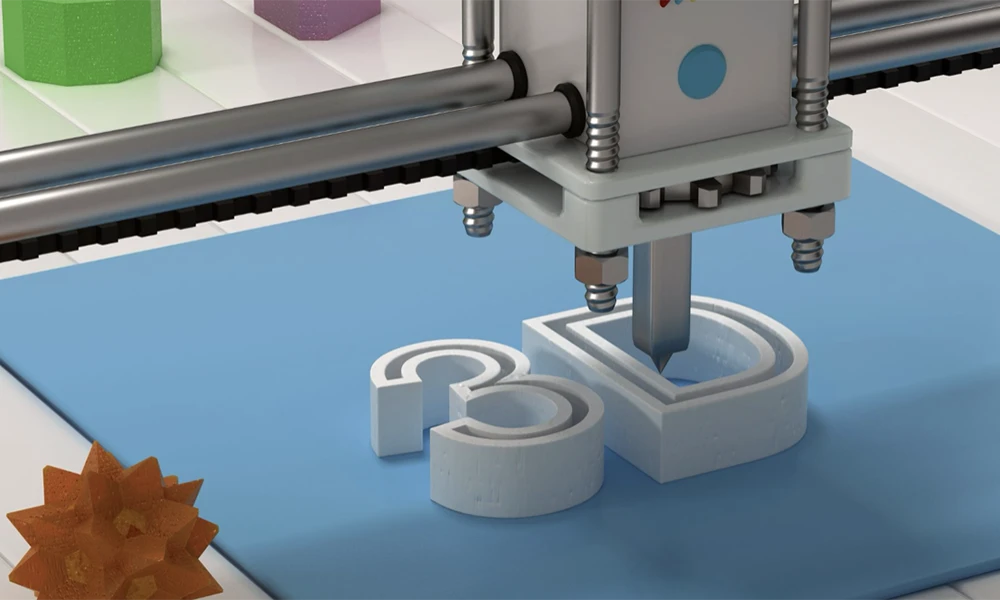
No brutal minimum order requirements, no waiting months for tooling. You want exactly what you need, built to your specs? That’s just Tuesday now. And if you’re serious about understanding personalized production, this breakdown is worth your time.
How Custom Product Manufacturing Actually Got Here
The jump from bulky, temperamental prototype machines to full production-ready systems happened faster than most people expected. Companies started bundling speed, precision, and flexibility into cohesive offerings, a shift you can see clearly in operations like Custom 3D printing with RapidMade.
From Mockups to Functional End-Use Parts
Early 3D printers were painfully slow and mostly useful for visual mockups that looked right but couldn’t do much else. Then materials science caught up. Machine reliability improved. Suddenly, parts that were too complex or too expensive for small production runs became printable on demand, no drama, no enormous upfront investment.
Traditional Manufacturing vs. Personalized 3D Printing Companies
Volume has always been the old-school driver of cost efficiency. Personalized 3D printing companies flipped that logic entirely. Small batches? Economically fine. Mid-design changes? Also fine. Conventional manufacturing would grind to a halt trying to accommodate that. These newer approaches don’t even break a sweat.
How On-Demand Services Keep Up With What Consumers Actually Want
People don’t want off-the-shelf anymore, not really. Tailored products are quickly becoming the baseline expectation, not a premium feature. On-demand custom production services handle this shift by building goods only when they’re needed. No excess inventory piling up, no guessing games. Just cleaner, smarter production cycles.
Those historical shifts matter, but what’s happening right now, in terms of real advantages, is where things get genuinely interesting.
The Real Benefits of Personalized 3D Printing Solutions
This isn’t just impressive engineering. It’s useful in ways conventional manufacturing consistently fails to deliver.
Mass Customization Without the Batch Production Trap
The 3D printer market is projected to hit USD 280.8 billion by 2029, growing at a CAGR of 50.8%. That number tells you something important about where industry appetite is heading. Mass customization service providers sit right at the center of this acceleration, and their relevance is only growing.
Personalization That Doesn’t Break Your Budget
Made-to-order used to carry a premium price tag that ruled out smaller buyers. That’s changed. Made-to-order 3D printing solutions are increasingly cost-competitive, especially when your design involves complex geometry that would make traditional tooling prohibitively expensive. You get intricate shapes without the punishing cost structure.
Waste Reduction That’s Actually Meaningful
Layer-by-layer construction means you only use what the part actually requires. Compare that to subtractive manufacturing, where you start with a solid block and cut away material, and the waste reduction becomes pretty striking. Fewer offcuts. Lower material consumption. A cleaner production footprint overall.
Now take these advantages and watch what happens when they hit real industries with real problems to solve.
Where Personalized Production Is Already Making an Impact
Healthcare: Implants and Prosthetics Built for One Person
Patient-specific implants, surgical guides, prosthetic limbs, all printed to match individual anatomy with a precision that general manufacturing simply can’t achieve. Better fit translates directly into better outcomes. The results aren’t theoretical; they’re showing up in operating rooms.
Consumer Goods: Fashion, Footwear, Personal Accessories
Brands are producing customized shoe midsoles and eyewear frames tuned to individual measurements. This isn’t marketing spin dressed up as personalization; it’s a functional product advantage that customers can physically feel and use.
Industrial Manufacturing: Jigs, Fixtures, and Tooling
Custom brackets and jigs that previously demanded expensive machining lead times can now be printed overnight. Production lines keep moving. Bottlenecks disappear. That’s an efficiency gain you’ll notice immediately.
Automotive and Aerospace: Complex Functional Parts
Both sectors demand parts that are simultaneously lightweight, structurally strong, and geometrically complicated. Additive manufacturing satisfies all three requirements at once, and does it on demand, without lengthy retooling phases.
Workflow Innovations Powering Modern Mass Customization Service Providers
Good machines aren’t enough on their own. You need intelligent workflows behind them.
Digital Pipelines That Compress Weeks Into Hours
Cloud-based design tools, automated file validation, and digital inventory systems have stripped the wait time out of production pipelines. Files move from design to printer cleanly, without unnecessary human bottlenecks slowing everything down.
AI and Cloud Integration Are Already Here
Research involving 267 SMEs shows that AI-driven improvements in sustainable design and manufacturing workflows are actively being adopted by forward-thinking custom product manufacturing services. This isn’t a future trend, it’s current practice.
Instant Quoting Changes the Buying Experience Completely
Upload a design, choose your material, and get a price within minutes. That kind of friction reduction matters enormously. Buyers don’t wait days for a quote anymore, which changes how quickly decisions get made.
The Honest Challenges Worth Knowing About
Size, Strength, and Resolution Have Real Limits
Larger parts sometimes need to be split, printed separately, and assembled post-production. Print orientation affects strength properties, which means design decisions made early on carry significant consequences. Plan carefully up front rather than troubleshooting after the fact.
Customization Isn’t Always the Right Call
Some parts genuinely belong in traditional manufacturing. Understanding which geometries, volumes, and materials actually justify additive production, versus conventional approaches, is a practical skill that saves both money and frustration.
Frequently Asked Questions
Which products genuinely benefit most from on-demand 3D printing?
Complex geometries, low-volume parts, and highly personalized items like medical devices or bespoke consumer goods are situations where traditional tooling costs make small runs economically painful.
How do personalized 3D printing companies ensure quality on complex orders?
Through rigorous file validation, material testing, and in-process monitoring. Companies like RapidMade also carry ISO 9001 certification, which adds a formal quality management layer across every production run.
Can small businesses actually afford professionally made-to-order 3D printing solutions?
Yes, genuinely. No tooling costs mean single-unit orders are economically viable. Professional made-to-order 3D printing solutions aren’t reserved for large enterprises anymore.
Start Taking Personalized Production Seriously
Here’s what it comes down to: on-demand custom production services and capable mass customization service providers have opened a door that wasn’t available to most businesses a decade ago. You can now create exactly what you need, precisely when you need it, at a scale that actually makes sense for your situation. Costs keep dropping. Capabilities keep expanding.
The businesses getting comfortable with these tools now won’t be scrambling to catch up later, and that head start is worth more than it might seem today.
- About the Author
- Latest Posts

Our Editorial Team are writers and experts in their field. Their views and opinions may not always be the views of Wellbeing Magazine. If you are under the direction of medical supervision please speak to your doctor or therapist before following the advice and recommendations in these articles.