Bunions often develop gradually, and their progression can be difficult to recognize. They may not immediately interfere with daily activities, which leads many people to underestimate the condition. However, structural changes can continue beneath the surface, even when discomfort appears manageable, affecting how the foot functions over time.
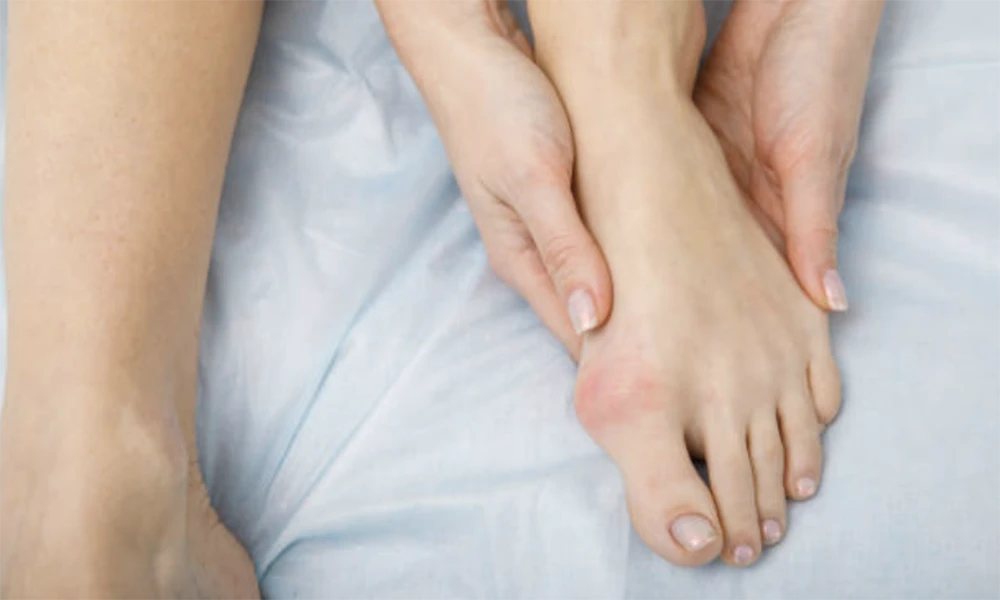
Conservative approaches may slow progression during earlier stages, but more definitive solutions are often required for advanced cases. Symptoms may fluctuate before becoming more consistent or limiting, and paying attention to them can help individuals considering bunion surgery in Los Angeles make better choices regarding treatment.
Mechanical Stress and Joint Changes
Mechanical stress on the joint is a primary factor contributing to the progression of bunions. As the big toe deviates, it alters the alignment of surrounding bones and surrounding tissue. This shift changes the distribution of weight across the foot during walking or standing, increasing the pressure on the bunion. Over time, this uneven load can lead to inflammation, swelling, and thickening of the joint capsule, intensifying discomfort and limiting mobility.
Ligaments and tendons that normally stabilize the toe may stretch or weaken as the deformity progresses. This further destabilizes the joint and allows the bunion to enlarge. In some cases, compensatory changes occur in the midfoot or lesser toes, which further increase discomfort and make it more difficult to manage the condition.
Footwear, Lifestyle, and Genetics
Narrow, tight, or high-heeled shoes can force the toes into unnatural positions, which increases pressure on the big toe joint. Over time, this consistent strain can exacerbate the deformity and pain. Shoes with a wide toe box, supportive arches, and flexible materials can reduce additional stress but cannot reverse the underlying structural changes.
Lifestyle factors, including prolonged standing or repetitive high-impact activities, can contribute to joint irritation. Individuals with active lifestyles or physically demanding occupations may experience faster progression if they do not take preventative measures.
Genetic predisposition plays a significant role; individuals with a family history of bunions are more likely to experience worsening deformities. Flat feet or abnormal pronation can place additional stress on the joint, accelerating misalignment.
Age and Tissue Changes
As people age, changes in connective tissue and cartilage may affect the development of bunions. Ligaments lose elasticity, and joint cartilage can thin, making the big toe more prone to deviation. Age-related changes also impact healing potential and the body’s ability to adapt to altered foot mechanics.
Early Warning Signs People Ignore
Bunions present some signs during the early stages that are easy to dismiss or attribute to temporary discomfort. Soreness around the big toe joint, particularly after prolonged standing or walking, is one of the most common indicators. This discomfort may reduce with rest, which can create the impression that the issue is minor or self-limiting.
Difficulty finding comfortable footwear is another subtle sign. People may notice increased pressure in shoes that previously fit well or a gradual need to switch to wider styles. Redness or mild swelling around the joint may also appear sporadically, especially after activity. These changes often occur before any significant or constant pain develops.
Changes in toe positioning can also progress slowly. A slight inward shift of the big toe or increased contact with the adjacent toe may go unnoticed at first. Over time, these small changes can indicate ongoing structural progression.
Recognizing these signs early allows for timely evaluation and may prevent further deterioration.
Final Thoughts
There are many factors that affect bunion progression. Understanding them will help patients take appropriate steps to manage discomfort and slow worsening over time. Rather than focusing solely on symptom relief, it is important to consider whether the condition is interfering with movement or daily routines.
Because these changes can occur over an extended period, it is not always easy to determine when the condition has advanced beyond simple management, which makes awareness and ongoing evaluation especially important. A specialist can also explain surgical options and provide a definitive path to restoring proper alignment and mobility. With appropriate intervention and post-operative rehabilitation, individuals can improve long-term foot health and maintain a higher quality of life.
- About the Author
- Latest Posts

Our Editorial Team are writers and experts in their field. Their views and opinions may not always be the views of Wellbeing Magazine. If you are under the direction of medical supervision please speak to your doctor or therapist before following the advice and recommendations in these articles.