A warm, welcoming home designed for long lunches, flowing wine and meaningful conversation was at the top of the wish list for award-winning London-based garden designer Rob John when he set out to renovate a property in central Portugal.
“Eating, drinking wine and chatting around a table are some of my favourite things to do,” he explains. “I wanted that to be at the heart of the house—and, importantly, I want my guests to sleep well.”
What followed is a deeply personal renovation project that blends heritage, craftsmanship and a slower, more intentional way of living.
Why Choose Central Portugal Over the Algarve?
When people think of a holiday home in Portugal, destinations like the Algarve often come to mind. But Rob chose a different path.
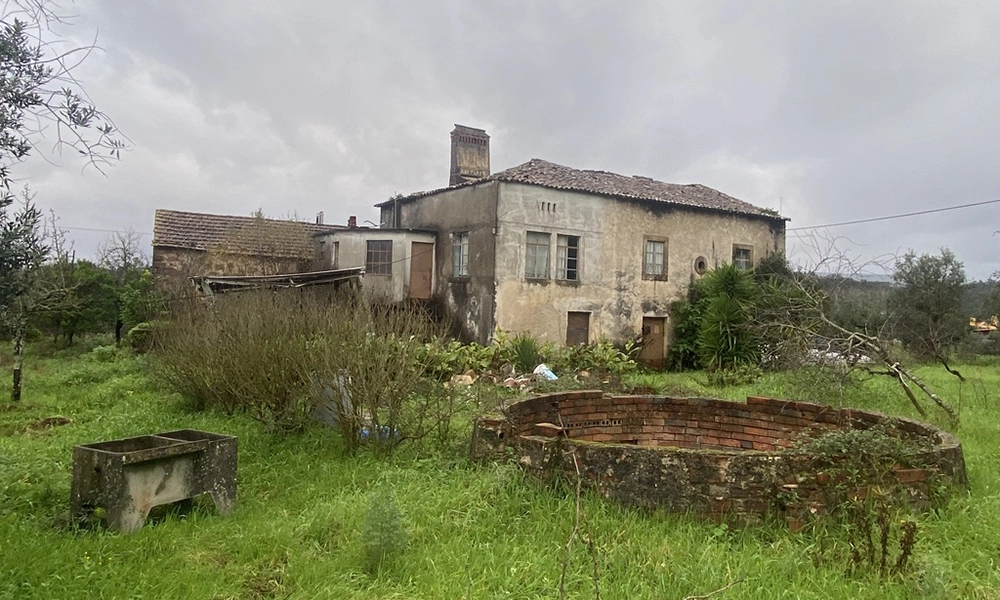
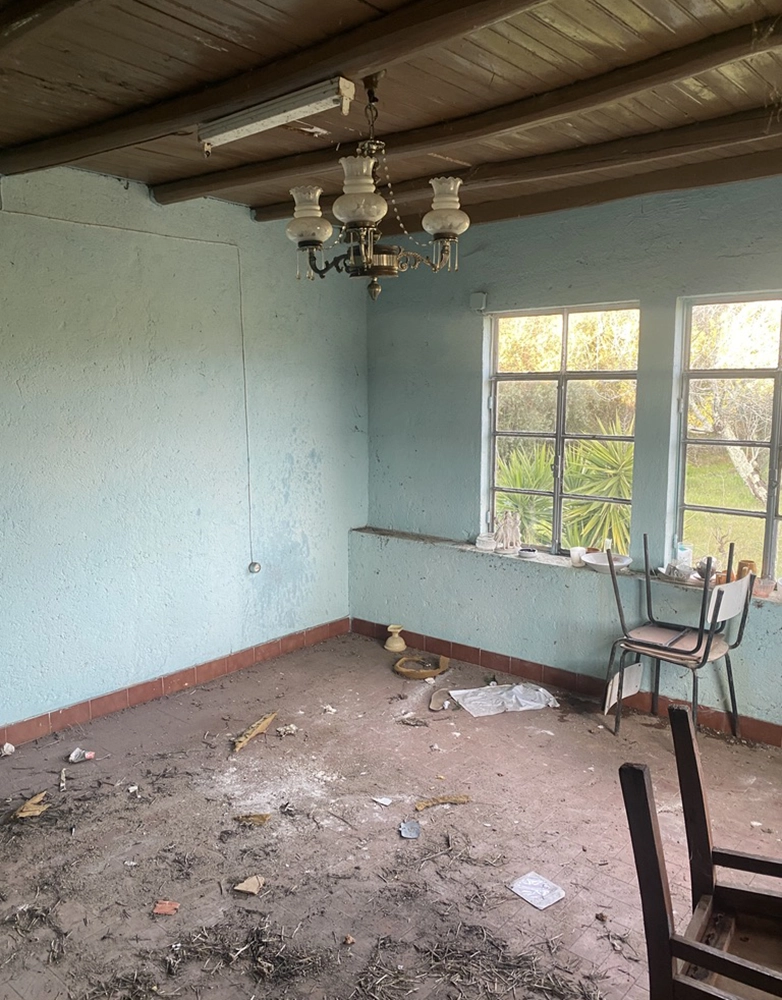
Instead, he discovered two semi-derelict properties near the rural village of Cabaços—an area still largely untouched by mass tourism.
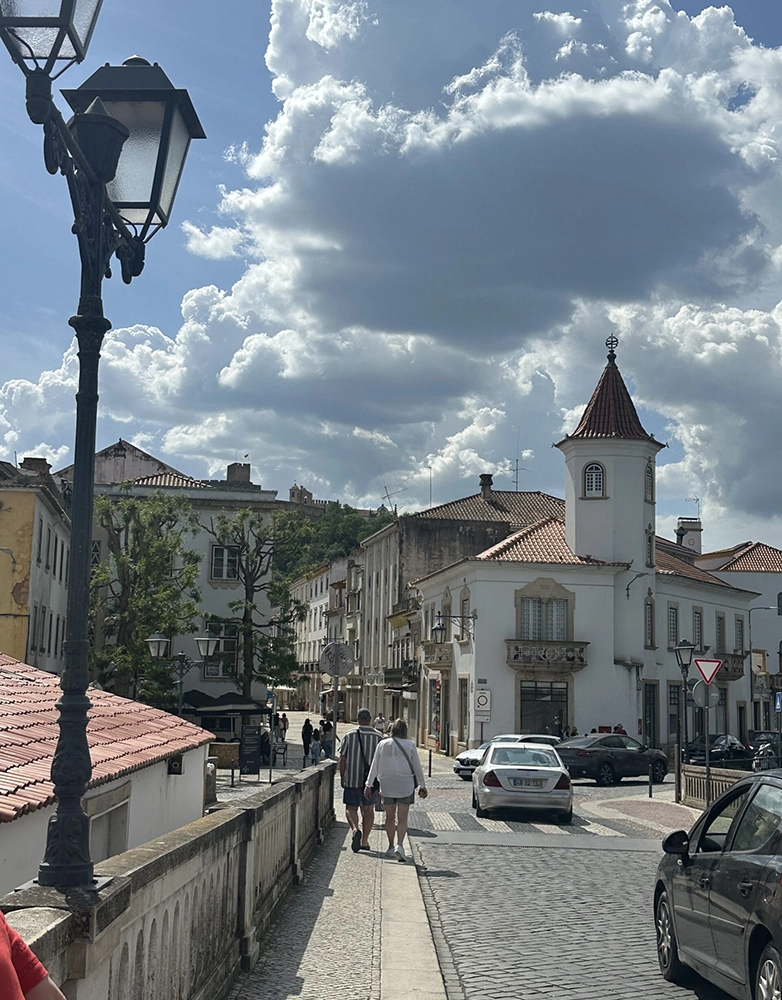
Set among rolling hills, olive groves and limestone landscapes, central Portugal offers a quieter, more authentic lifestyle. Despite its remote feel, the property is well connected:
- Just 20 minutes from Tomar, a UNESCO World Heritage Site
- Around 30 minutes from Coimbra, Portugal’s third-largest city
- Approximately one hour from the coast
This balance of seclusion and accessibility is part of what makes the region increasingly attractive to international buyers.
Buying a Property in Portugal: What You Need to Know
Portugal has a surprising abundance of renovation opportunities. With nearly a quarter of a million empty homes across the country, buyers can find everything from ruins to fully restored properties.
Typical price ranges:
- Ruins: from €30,000
- Renovation projects: from €80,000
- Finished homes: from €200,000+
Rob purchased his farmhouse for €80,000, drawn to its character and history rather than opting for a modern build.
“I didn’t want a new property or a typical Portuguese house,” he says. “I wanted something with soul—something unique.”
How to Find Property in Portugal
Rob used Idealista, one of Europe’s leading real estate platforms, to search for properties.
His advice:
- Set clear search parameters (location, budget, type)
- Review listings consistently
- Be open to renovation potential
What Is It Like Living in Rural Portugal?
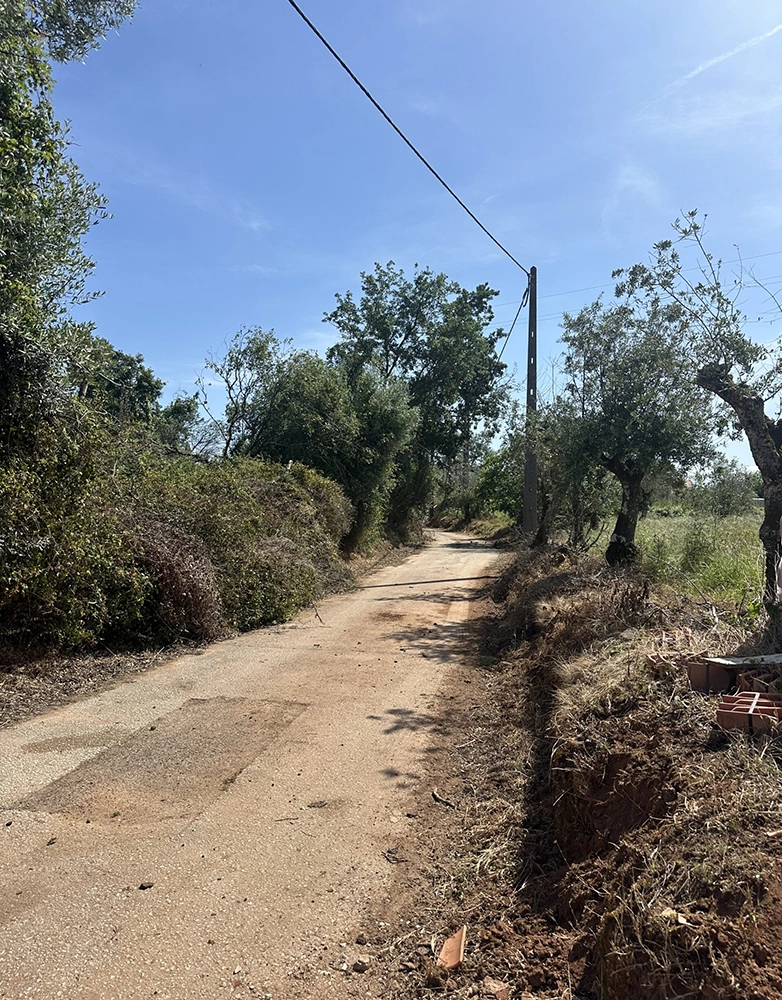
Life in central Portugal is defined by simplicity, nature and a slower rhythm.
Rob describes the area as “enchanting,” with:
- River swimming spots and lakes
- Weekly local markets
- A growing mix of traditional and alternative lifestyles
“There’s a slight hippy edge in places,” he adds. “You’ll find vegan cafés, craft markets, retreats and yoga.”
The community itself is diverse, with a mix of Portuguese locals and international residents from across Europe and beyond.
Weather in Portugal: What to Expect Year-Round
Understanding the climate is essential when buying a property in Portugal.
Seasonal overview:
- Winter: Mild but can be damp and cool
- Spring/Autumn: Warm, bright and ideal for outdoor living
- Summer: Hot, often reaching 40°C
Despite high summer temperatures, proximity to rivers, lakes and the Atlantic coast provides plenty of ways to cool down.
Renovating a Ruin in Portugal: Costs and Challenges
Renovating in Portugal offers creative freedom—but it comes with challenges.
Rob’s original renovation budget was £200,000, though costs quickly expanded due to bespoke design choices, travel and sourcing unique materials.
Key renovation considerations:
- Labour communication (many builders may not speak English)
- Time delays and slower pace of work
- Logistics of sourcing materials internationally
- Weather-related setbacks
“It’s been frustratingly slow at times,” he admits. “But also incredibly rewarding.”
Designing a Dream Home: Blending Heritage and Style
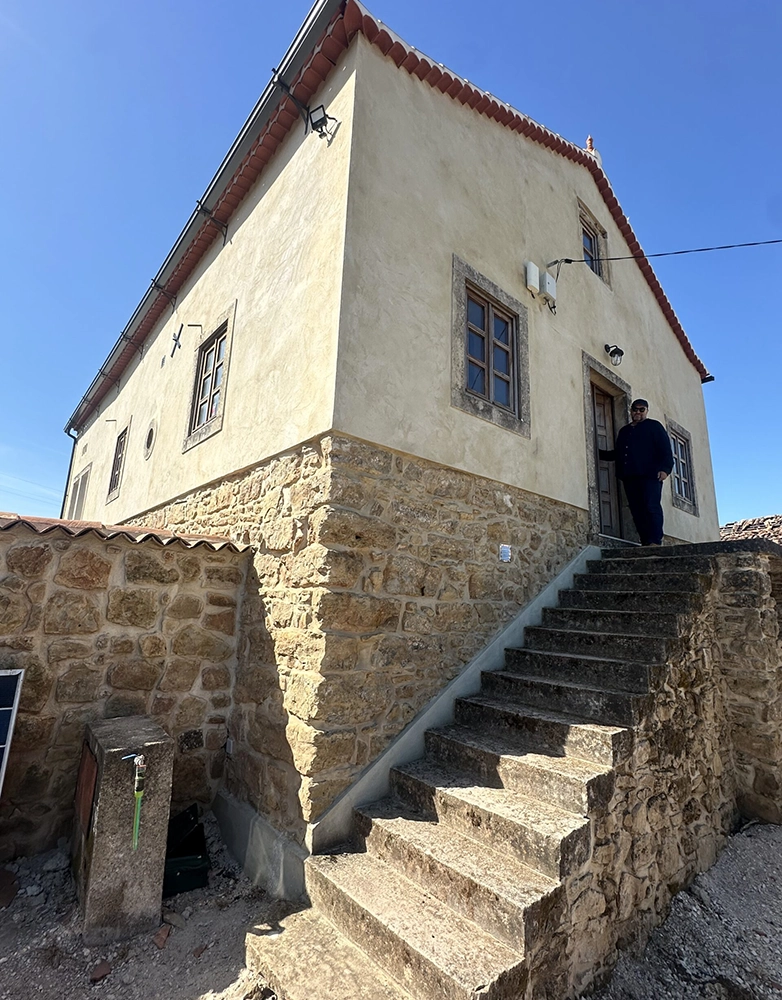
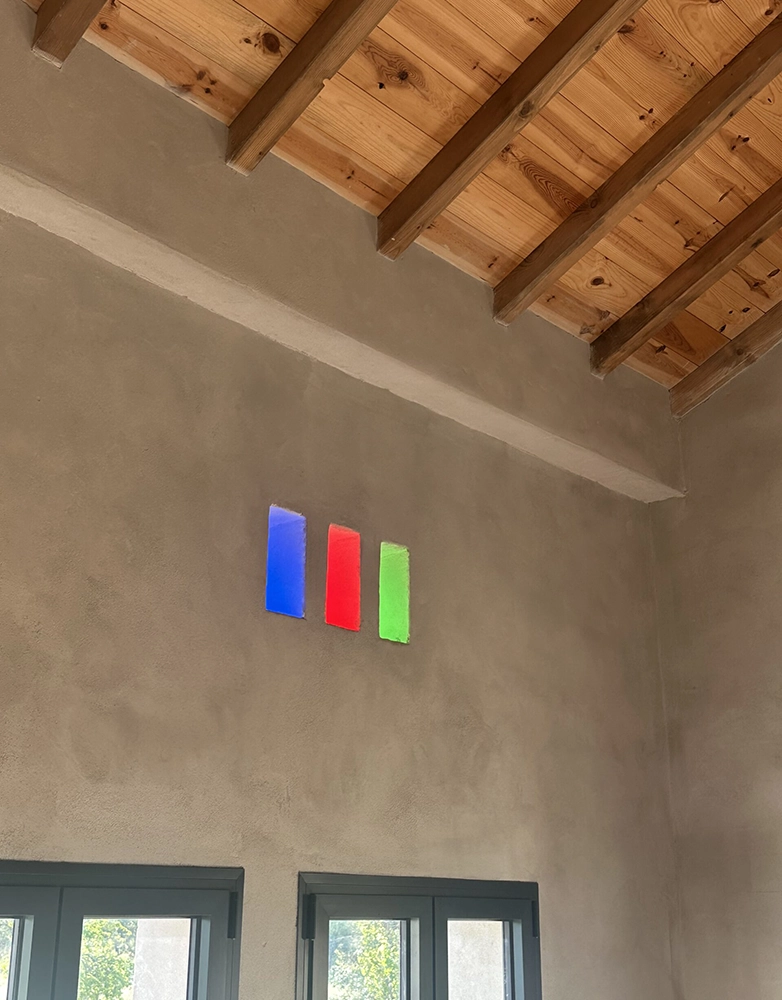
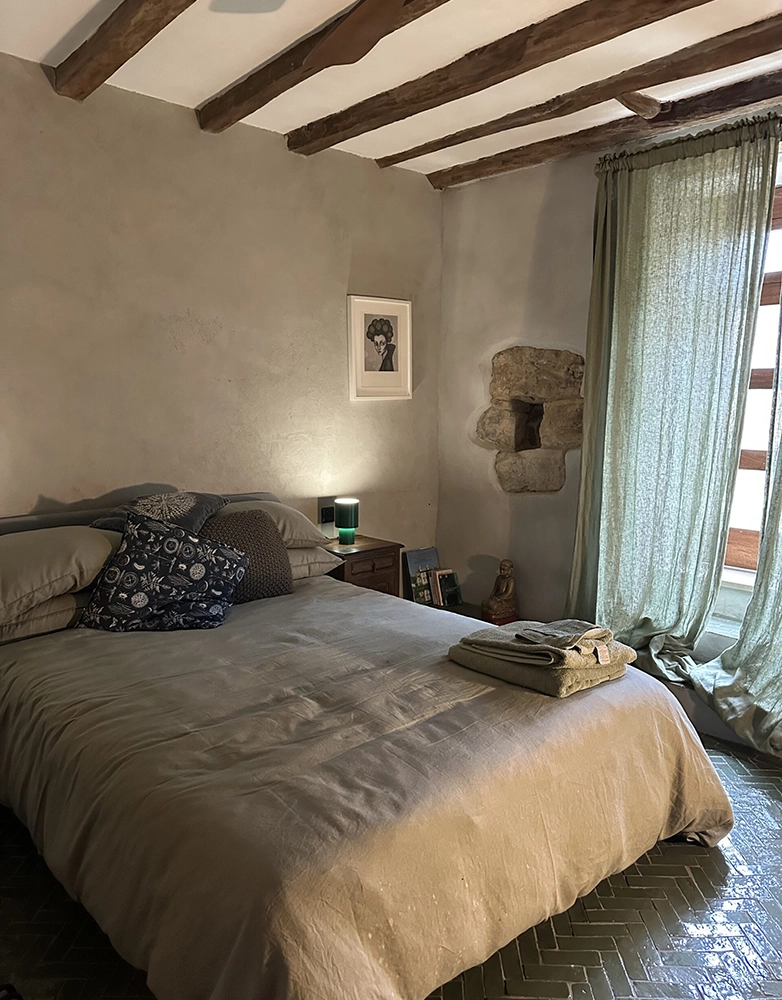
The farmhouse has been transformed into a three-storey home that balances comfort with character:
- Ground floor: three en-suite bedrooms
- First floor: kitchen, dining space, living room and office
- Top floor: private suite within the eaves
Every detail reflects Rob’s personal story—from reclaimed materials to globally sourced pieces.
Highlights include:
- Moroccan tiles sourced directly from Marrakech
- Vintage Bakelite light switches imported from Germany
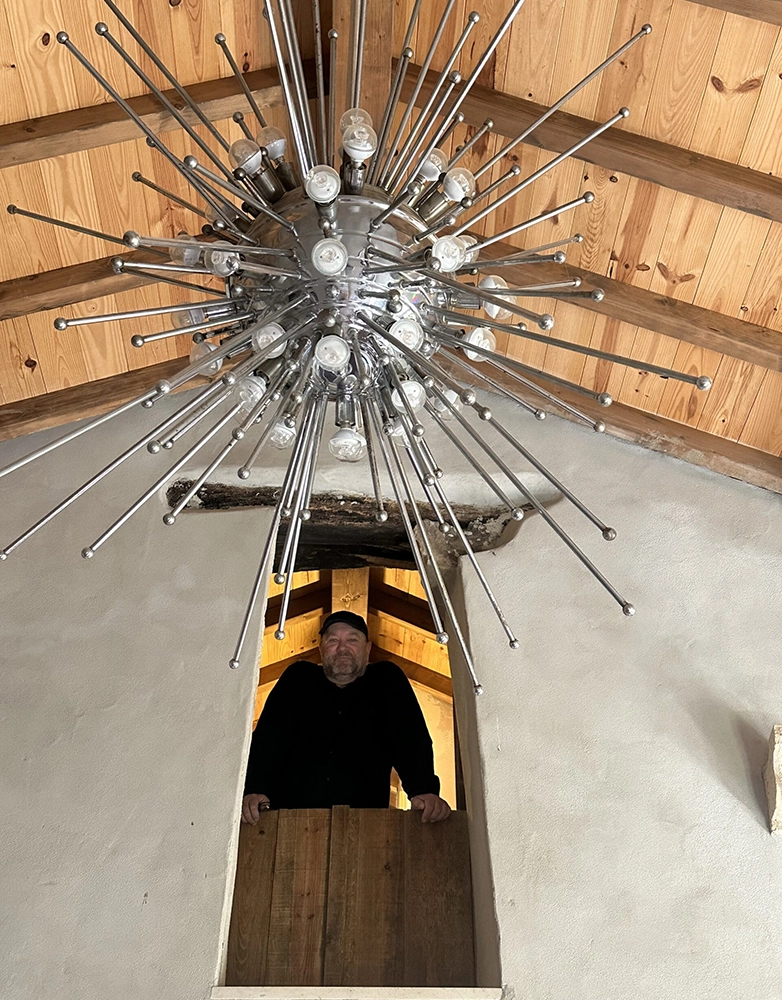
- A mid-century Sputnik chandelier by Oscar Torlasco
“It’s about creating spaces you want to spend time in,” he says. “A home that helps you relax and let go.”
Creating a Retreat Lifestyle in Portugal
Beyond the interiors, the property is evolving into a full lifestyle retreat.
Plans include:
- An olive grove and kitchen garden
- A long swimming pool among the trees
- Wildflower meadows with walking paths
- Shaded dining areas for outdoor living
With fertile land and abundant water, the property supports a self-sufficient, nature-led lifestyle.
Is It Easy to Buy Property in Portugal?
According to Rob, the buying process itself is relatively straightforward.
“Once the price is agreed, you meet with a lawyer, bring a witness and sign,” he explains.
Key advantages:
- Simple legal process
- Strong agent support (many speak English)
- High availability of properties
However, challenges can arise when:
- Ownership is unclear (family disputes)
- Properties are not formally listed
Final Advice: Should You Buy a Holiday Home in Portugal?
For those considering a move or investment, Rob’s advice is simple:
- Research thoroughly (climate, infrastructure, costs)
- Visit multiple times before committing
- Speak to locals and expats
- Be patient with the renovation process
“Explore your area and then go for it,” he says. “Portugal offers a lifestyle that feels both grounded and inspiring—something quite different from the rest of Europe.”
A Life Project, Not Just a Property
Like Sagrada Familia, Rob sees his home as an evolving work in progress rather than a finished product.
“It’s a journey,” he reflects.
One that continues to unfold—room by room, tree by tree, season by season.
- About the Author
- Latest Posts

Summer-loving, holiday-craving journalist-turned-PR and mum of two beautiful young ladies in their 20s! My passport is always within reach and I dread the end of summer every year. I fully admit that I am addicted to travel.