Struggling with substance abuse can feel overwhelming, affecting your physical health, mental wellbeing, and relationships. This article explains how alcohol and drug rehab programs support recovery from addiction and outlines the steps involved in getting help. Understanding your treatment options is an important first step toward building lasting change.
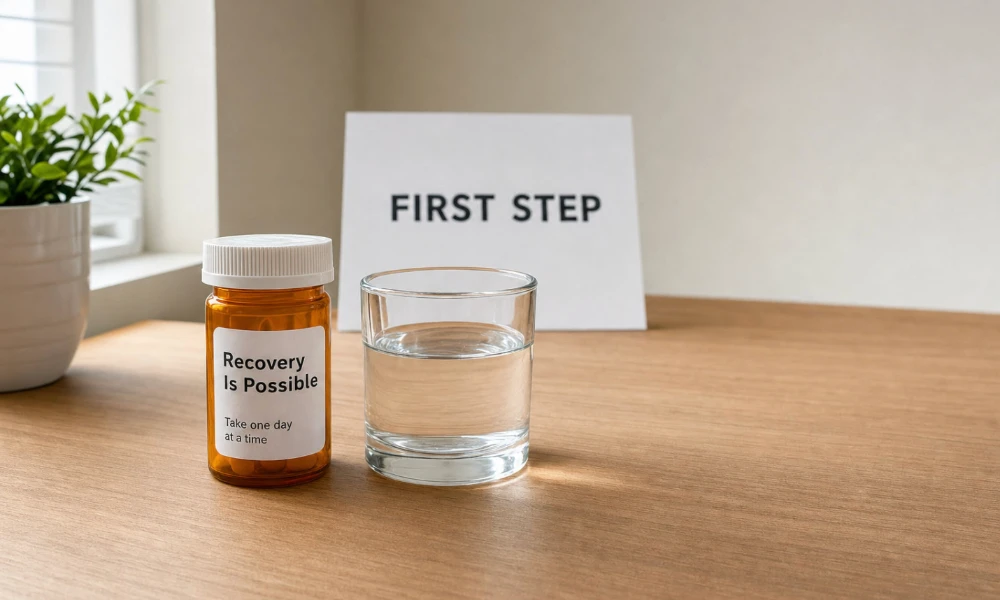
Recognizing the need for help is a significant turning point in the journey to recovery. Substance use disorders impact countless individuals and families, but effective solutions are available at every stage. While some people can access outpatient counseling, others may benefit from a more structured approach, such as an intensive outpatient program (IOP). Being aware of the available resources and how treatment programs operate helps you make informed decisions about seeking support for alcohol or drug addiction.
The basics of substance abuse, addiction, and recognizing the need for help
Substance abuse refers to the excessive or inappropriate use of alcohol or drugs, often leading to negative consequences in daily life. Many people begin using substances to cope with stress, anxiety, or emotional pain, but over time, repeated use can result in tolerance and dependence. These changes make it difficult to control cravings or stop using even when negative effects increase.
Addiction is a chronic condition that affects both the brain and behavior. Signs that it is time to seek help may include an inability to reduce use despite repeated attempts, neglecting work or family responsibilities, and experiencing withdrawal symptoms. Recognizing these patterns and acknowledging the struggle is a crucial first step toward recovery, opening the path to a healthier, substance-free life.
Understanding the difference between casual use, abuse, and addiction is important when evaluating your relationship with substances. Casual use typically involves occasional consumption without significant consequences, while abuse occurs when substance use begins to interfere with daily responsibilities or causes harm. Addiction develops when the brain’s reward system becomes altered, creating powerful urges that override rational decision-making. Physical symptoms such as changes in sleep patterns, appetite fluctuations, and unexplained health issues often accompany behavioral changes. Emotional indicators may include mood swings, increased irritability, social withdrawal, and loss of interest in previously enjoyed activities. Recognizing these warning signs early can prevent the progression to more severe stages of dependency and make treatment more effective.
The impact of substance abuse extends beyond the individual, affecting family members, friends, and colleagues who often witness the gradual changes in behavior and personality. Loved ones may notice increased secrecy, financial difficulties, or sudden shifts in social circles as the person struggling with addiction attempts to hide their use or gravitates toward others who share similar habits. Children in households affected by substance abuse may experience emotional neglect, inconsistent parenting, or exposure to unsafe situations. The workplace may see decreased productivity, increased absenteeism, or safety concerns. Understanding these ripple effects helps contextualize why seeking treatment benefits not only the individual but their entire support network, creating opportunities for healing relationships and rebuilding trust that may have been damaged during active addiction.
Understanding alcohol and drug rehab programs
Rehabilitation programs for substance abuse offer a range of treatment settings and approaches to meet individual needs. Residential rehab involves living at a treatment facility and participating in daily therapies, group sessions, and activities focused on recovery. Intensive outpatient and standard outpatient programs, such as an intensive outpatient program (IOP), provide structured support while allowing you to maintain responsibilities at home or work.
The goals of rehab programs include detoxification, learning healthy coping techniques, rebuilding relationships, and developing a relapse prevention plan. Professionals assess each person’s situation to recommend the right level of care. Program lengths and structures vary, but all are designed to address both the physical and psychological aspects of addiction in a safe and supportive environment.
Treatment approaches used in addiction recovery
Evidence-based therapies are essential components of most addiction recovery programs. Cognitive-behavioral therapy (CBT), motivational interviewing, and group counseling help individuals recognize harmful patterns, set goals, and build effective coping strategies. Many programs also incorporate family education and counseling, emphasizing the role of healthy relationships in sustained recovery.
Holistic elements such as stress management, mindfulness, exercise, and nutrition are often included to support overall wellbeing. Addressing co-occurring mental health conditions, including anxiety or depression, is another key part of comprehensive care. The inclusion of multiple approaches allows treatment to be tailored to your unique needs, giving you the best chance of achieving stable, long-term recovery with support from organizations like Renew Health Addiction Recovery Services.
Taking the first steps and building a support system
The decision to seek help for substance abuse addiction can be daunting, but it is never too late to reach out. Speaking to a healthcare provider, addiction counselor, or loved one about your concerns is often the starting point for accessing treatment. Many rehab programs offer confidential assessments, making it easier to discuss your situation and explore available options.
Building a supportive environment is essential for recovery. Creating routines, setting boundaries, and nurturing healthy connections contribute to ongoing progress. Support from peers, family members, and addiction specialists can help you navigate obstacles and maintain motivation. Over time, establishing new habits and drawing on community resources strengthens your foundation for long-term sobriety and improved wellbeing.
- About the Author
- Latest Posts

Our Editorial Team are writers and experts in their field. Their views and opinions may not always be the views of Wellbeing Magazine. If you are under the direction of medical supervision please speak to your doctor or therapist before following the advice and recommendations in these articles.