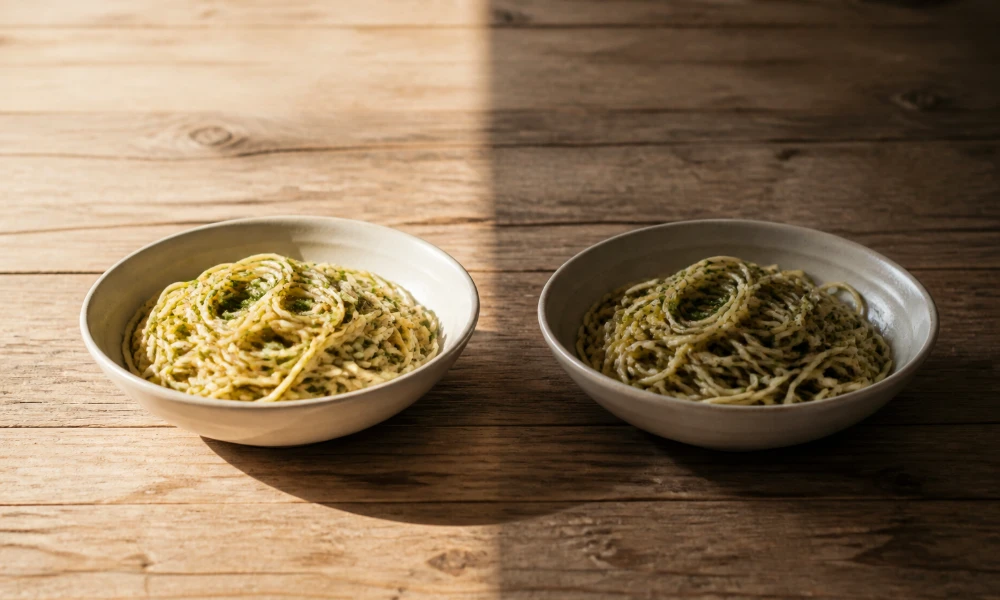
Few things are more frustrating for someone managing digestive symptoms than eating the exact same meal on two different days and getting two completely different results. One day a bowl of pasta with garlic and onion goes down without a hitch. A few days later, the same bowl leaves someone doubled over with bloating and cramping. It’s tempting to assume the food itself is inconsistent, but the more likely explanation is that the body’s tolerance for FODMAPs shifts constantly based on a handful of overlapping factors.
FODMAP Tolerance Isn’t a Fixed Number
It’s easy to think of FODMAP sensitivity as a hard line, a certain amount of garlic or wheat that will always cause trouble past a certain point. In reality, tolerance works more like a threshold that moves depending on what else is going on in the gut at any given time. The same portion of a high-FODMAP food can sit comfortably on one day and tip someone into symptoms on another, not because the food changed, but because the surrounding conditions did.
This is one of the more important things to understand for anyone trying to sort out their triggers, and it’s part of why resources built around enzyme support, testing, and food logging exist in the first place. If a single bad meal always meant permanently cutting out a food, most people would end up with an impossibly restrictive diet. Understanding what shifts the threshold makes it possible to try FODZYME today and other targeted supports instead of assuming every reaction means a food needs to be avoided for good.
Cumulative FODMAP Load Across the Day
One of the biggest hidden factors is that FODMAPs stack. A breakfast with a small amount of honey, a lunch with a bit of garlic, and a dinner with beans might each be individually manageable, but added together across the day, the total fermentable carbohydrate load can cross a threshold that no single meal would reach on its own. This means a dinner that felt perfectly fine on a lighter eating day can cause symptoms on a day when earlier meals were quietly adding to the total.
Stress and the Gut-Brain Connection
The gut and the nervous system are closely linked, and stress can measurably change how the digestive system functions. Elevated stress can alter gut motility, increase sensitivity to normal amounts of gas and stretching in the intestine, and even change how quickly food moves through the digestive tract. A meal eaten during a calm, unhurried afternoon may be processed very differently than the same meal eaten while rushing between meetings or after a stressful phone call. This is part of why the same recipe can feel fine most weeks and cause a flare during a particularly demanding one.
Sleep, Hormones, and Hydration
Poor sleep has been shown to affect gut motility and can lower the threshold for digestive discomfort the following day. Hormonal fluctuations, particularly around the menstrual cycle, are another well-documented factor that can temporarily increase sensitivity to normal amounts of gas and bloating. Hydration plays a role as well, since inadequate fluid intake can slow digestion and make fermentation-related bloating feel more pronounced than it would otherwise.
None of these factors show up on an ingredient label, which is exactly why they’re so easy to overlook when trying to identify a trigger food. A meal that included dehydration, a rough night of sleep, and a stressful morning is not being digested under the same conditions as that same meal eaten during a relaxed, well-rested week.
Gut Motility and Recent Digestive History
What was eaten and how the gut handled it in the day or two before a meal also matters. Constipation, for example, can leave more residual material in the colon, giving gut bacteria more substrate to ferment and making the next high-FODMAP meal feel worse than it would on a day with regular bowel movements. Similarly, a stomach bug, a course of antibiotics, or even a particularly rich or unusual meal earlier in the week can temporarily shift the gut’s fermentation patterns and sensitivity levels.
Portion Size and Preparation Differences
Small differences in preparation can also change how a meal behaves. Cooking time, the ripeness of fruit, whether onion and garlic were used whole or infused into oil and removed, and even how much of a dish was eaten can all shift the FODMAP content in ways that aren’t always obvious from the outside. A slightly larger portion, or fruit that ripened a bit further since the last time it was eaten, can be enough to tip a borderline meal into one that causes symptoms.
Making Sense of the Pattern Instead of Blaming One Meal
Because so many of these factors overlap, a single uncomfortable meal rarely tells the whole story. Keeping a simple log that tracks not just what was eaten but also stress levels, sleep quality, hydration, and recent bowel habits tends to reveal patterns that food alone won’t explain. Someone might notice that garlic is only a problem on days with poor sleep, or that beans only cause trouble when eaten alongside other high-FODMAP foods earlier in the day.
This kind of tracking takes some of the guesswork and self-blame out of the process. A flare-up isn’t necessarily a sign that a food needs to be permanently eliminated, and a good day with a typically risky food isn’t a fluke either. Both are data points that, over time, paint a much more accurate picture of what actually drives symptoms, and that picture usually points toward a combination of load, timing, and everyday conditions rather than any single ingredient acting alone.
- About the Author
- Latest Posts

Our Editorial Team are writers and experts in their field. Their views and opinions may not always be the views of Wellbeing Magazine. If you are under the direction of medical supervision please speak to your doctor or therapist before following the advice and recommendations in these articles.