









After a San Antonio Car Wreck: What to Do Next (and What to Avoid)
-
- February 3, 2026

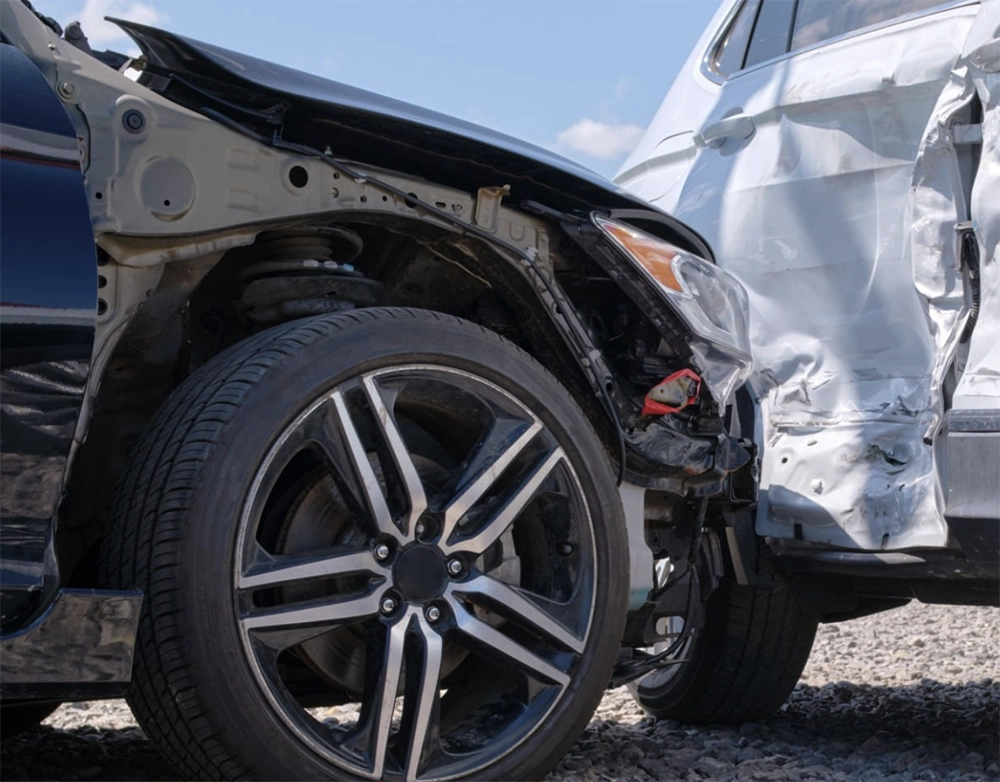
Car crashes in San Antonio have a special kind of chaos. One minute, it’s a normal drive on Interstate 35 or Loop 410. Next minute, there’s a thud, a jolt, the smell of airbags, and a chorus of horns from people who have places to be. It’s loud and fast, and the brain can feel weirdly slow.
So what now?
This isn’t a hype-y checklist. It’s the practical sequence that tends to protect health first, and money second, when a wreck turns a regular day into a mess.
1) The first hour is about safety and proof, not pride
The temptation is to “handle it” and move on. Especially if the car still moves. Especially if everyone is standing. But a lot of harm starts when people rush.
Start with the basics: get out of active traffic if it’s safe. Turn on hazards. Check passengers. Call 911 if anyone might be hurt, if cars are blocking lanes, or if things feel even slightly unsafe. San Antonio traffic moves quickly, and it only takes one distracted driver to make a second impact worse than the first.
Then, document. Not a photoshoot, just enough to tell the story later: wide shots of where vehicles ended up, close-ups of damage, and a few photos of plates and insurance cards if everyone’s calm enough to swap info. If a witness stops, grab a name and number. People disappear once adrenaline fades.
One quiet rule: don’t guess out loud about fault. No, “maybe it was both of us.” No “didn’t see you coming.” Those sentences get recycled later in ways that don’t match what actually happened.
2) The next 72 hours: injuries show up late, paperwork shows up early
Here’s the frustrating part. The body can be dramatic at first, or it can act as if nothing happened. Then day two arrives. The neck stiffens. The shoulder feels wrong. Headaches show up. Sleep gets choppy. It’s common.
Get checked out. Not because of fear, but because early evaluation catches hidden problems like concussions, soft-tissue injuries, and back issues before they snowball. Plus, medical documentation created close in time to the crash tends to carry more weight than a late “by the way, it hurts.”
Meanwhile, the admin stuff begins. If an officer responded, there’s usually a report number. Details can be imperfect, so it helps to jot a quick personal timeline while it’s fresh: direction of travel, which lane, what the light was doing, and what was said at the scene. Just notes. Nothing fancy.
This is also when insurance adjusters start calling. Friendly voice, quick questions, a casual request for a recorded statement. Sounds harmless. But recorded statements often lock someone into a version of events before medical facts are clear. It’s okay to slow things down and get guidance first, especially if injuries are significant or the story is being spun.
That’s where a consultation can help. For local context, some people start by reading a plain-language breakdown from an auto accident lawyer San Antonio practice page to understand what claims usually involve and what insurers tend to push for.
3) Texas crash claims, explained like a normal conversation
Texas rules can feel like alphabet soup until they’re translated.
There’s a time limit. In many injury cases, the general deadline to file is two years from the date of the crash. Two years sounds like plenty of time, until treatment drags on and the “small” claim turns into something bigger.
Fault is a percentage game. Texas uses a proportionate responsibility system. If someone is partly responsible, recovery can be reduced. And if that person is more than halfway at fault, recovery may be blocked. That’s why evidence matters. Even simple things like skid marks, dash cam clips, or the angle of impact can shift that percentage.
Insurance isn’t neutral. Adjusters work for the insurer. Their goal is to pay as little as possible. If they sound warm while asking questions that feel oddly leading, yep. That’s the job.
Damages can be more than hospital bills. People may seek compensation for medical costs, lost income, reduced ability to work, pain, and daily-life disruption. Sometimes it’s the little stuff that tells the truth. Not being able to lift groceries. Not being able to sit through a shift. Not sleeping through the night.
4) The “small” injuries that love to become big problems
A lot of folks shrug off pain at first. Push through. Tough it out. But the injuries that hide are often the ones that linger.
Whiplash and other soft-tissue injuries can start as stiffness and turn into months of headaches or limited range of motion. Concussions can show up as fogginess, irritability, nausea, or a weird sensitivity to light, and there’s no requirement that someone blacked out. Back injuries can announce themselves later with numbness, burning down a leg, or weakness that makes stairs feel suspicious.
And while physical injuries get the spotlight, mental stress can be just as real. Some people feel fine until the first time they try to merge onto Interstate 10 again and their hands start shaking. Normal? Unfortunately, yes.
If that side of recovery is hitting hard, this guide on coping with the emotional trauma of a car accident lays out practical ways to calm the nervous system and rebuild confidence behind the wheel.
5) What not to do, even if everyone around is telling you to
A few moves sound “responsible” but backfire.
Don’t delay treatment to “see if it goes away.” Sometimes it does. Often it doesn’t. And delays create gaps that insurers love to highlight.
Don’t post about the crash on social media. Not even a joke. Photos of a party or a smile can get twisted into “looks fine.”
Don’t accept the first quick settlement if symptoms are still changing. Early offers can be tempting when the tow bill and missed work hit at the same time. But once a release is signed, it’s usually done.
And don’t assume the police report is the whole story. Reports can contain mistakes, and sometimes vehicles are moved before an officer arrives, which changes the picture.
6) Build a simple evidence folder, then forget about it
This part is boring. It also works.
Create one folder on the phone or cloud. Drop everything in it: scene photos, the report number, medical paperwork, prescriptions, co-pays, mileage to appointments, and repair estimates. If pain and limitations evolve, keep a tiny daily note. “Neck pain 6/10, headache at 2 pm, couldn’t drive at night.” Short is fine.
It becomes easier to explain the real impact of the wreck without relying on memory from a month ago.
7) San Antonio details that can matter
San Antonio has its own driving personality. Congestion on Loop 1604, sudden lane changes near interchanges, tourists downtown who miss a turn, and stop like the road is a suggestion. If the crash happened near a choke point, jot the cross streets and direction of travel while it’s fresh.
Commercial vehicles are everywhere. When a company vehicle is involved, there can be extra insurance coverage and extra layers of responsibility.
8) When legal guidance is actually useful
Some crashes are straightforward. Minor bumper damage, no injuries, everyone agrees on what happened. Those can be resolved without much drama.
Guidance becomes more useful when injuries are serious or lingering, the other driver denies fault, there are multiple vehicles, a commercial vehicle is involved, or an insurer is delaying, lowballing, or pressuring for a fast recorded statement. If wages are lost or work ability changes, that’s another big signal.
A good gut-check question: if the roles were reversed and an insurer wanted to pay as little as possible, what would they do next? That answer usually tells you how careful to be.
9) The quiet goal: protect tomorrow, not just today
After a crash, it’s easy to focus on the obvious. The smashed bumper. The rental car. The awkward soreness.
But the real stakes are often later. Chronic pain makes a job harder. A concussion that turns concentration into a struggle. Anxiety that makes driving feel like a threat.
So keep it boring and steady. Get evaluated. Document. Don’t rush statements or settlements. And if a friend says, “It’s probably nothing,” sure. Maybe. But what if it’s something?
- About the Author
- Latest Posts

Our Editorial Team are writers and experts in their field. Their views and opinions may not always be the views of Wellbeing Magazine. If you are under the direction of medical supervision please speak to your doctor or therapist before following the advice and recommendations in these articles.


