
When it comes to cryptocurrencies, most investors know about Bitcoin, the first coin to be launched on the market and the one to serve as the blueprint for the other assets that followed. BTC has one of the highest market cap levels in the world, making it the most important crypto coin on the market, the one whose price variations inform the shifts and turns in the whole market. When things are good for Bitcoin, the other assets go on an upswing as well, but when things are bad, the values are on a downswing. Its scarcity makes it more valuable as well, as there’s a fixed number of coins that will ever be mined, driving values further up.
Even though it dominates the market, Bitcoin is not the only cryptocurrency out there. In fact, focusing exclusively on a single asset can be detrimental to your portfolio overall, as negative events can cause you to lose sizable amounts of capital. This is why traders have started looking for assets on the larger market in order to make their portfolios more robust. Some have even begun looking for the Dogecoin price on Binance, as meme coins have become increasingly popular over the last few years due to the hype and accessibility they provide as a result of their much more accessible prices.
While altcoins are definitely more popular now than they used to be, as cryptocurrencies themselves gain more users every day, some traders remain skeptical given the risks. While Bitcoin itself deals with fluctuations and volatility, its peers take that tendency one step further due to their more speculative nature. However, they also provide diverse investment opportunities extending beyond Bitcoin’s reach.
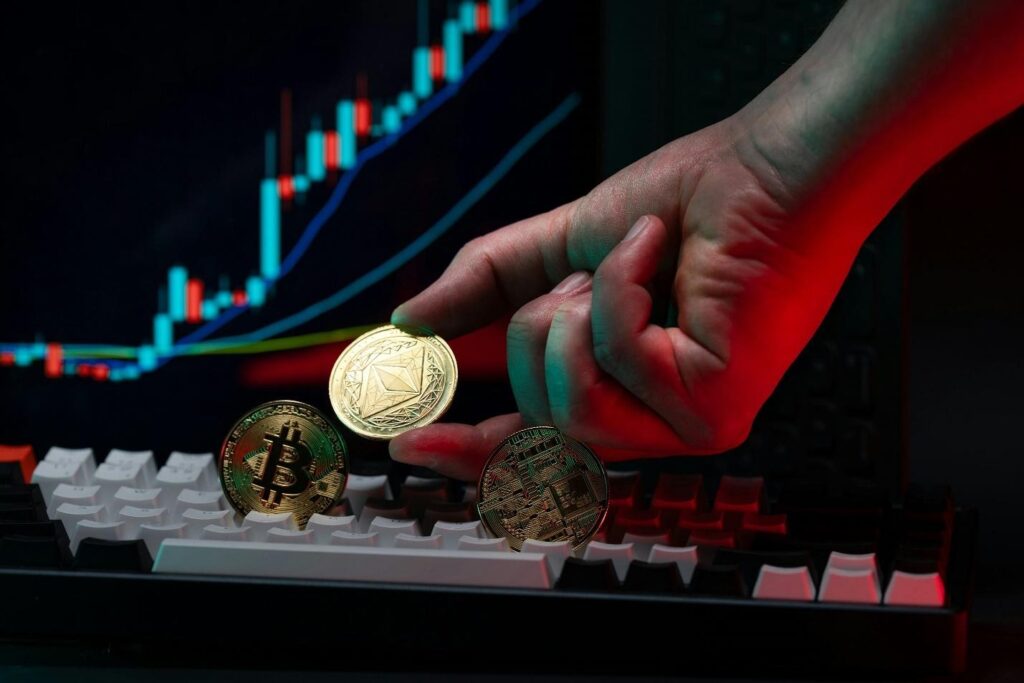
Image source: https://unsplash.com/photos/a-person-holding-a-coin-in-front-of-a-computer-keyboard-puYe3yLXkv4
What exactly are the altcoins?
As of 2025, there were roughly 40 million altcoins out there that investors could invest in. However, only a relatively tiny number of them are being actively traded, with their use cases ranging from finance to Web3 platforms and gaming. The ones that are best-known, such as Solana, Ethereum, and Dogecoin, have the ability to support innovative ecosystems with unique roles in areas such as cross-chain communications, token utilities, tipping, and finance. The fact that every single altcoin claims to have a unique purpose makes them all the more interesting for the tech-savvy investors who are trying to get the hang of the latest technologies and make the most of what they have to offer.
The first altcoins were released in 2011, under the names of Litecoin and Namecoin. Their developers used the same technology as Bitcoin but sought to expand its functionality and reduce its limitations. Right now, altcoins can indeed be said to have evolved, serving a large number of purposes, including smart contracts, governance rights, and DeFi. They derive their value from their network transactions, but since there are so many of them, a substantial portion come for such low prices that they are considered to be largely devoid of value. Since the majority are directly tied to innovations within their respective ecosystems, their increased adoption will naturally come with growth for their value as tokens, too.
What should you check before investing?
The first and most important thing you should look for when it comes to altcoins is to focus on those that have actual utility and are well-known in the community. Going for the ones that are more obscure carries higher inherent risks, as you don’t know what to expect from them and will most likely have fewer research resources to rely on as well. When you’re just getting started and are unsure of the ways in which the market operates, you should focus on blockchains that have demonstrated their resilience during a few crypto cycles. Layer 1 platforms, scaling solutions based on Layer 2, and RWAs (Real World Assets) can all serve as robust starting points.
If you want to be involved in a more complex project, you definitely want to pick something that has offered meaningful contributions to innovation, to either its own ecosystem or existing ones. While the altcoins with higher capitalization rates might be more challenging to purchase, the ones with lower caps can be great entry points. However, you should still manage the risks by avoiding any kind of overexposure to the asset class by employing dollar-cost averaging. You should do your research and learn about a holding’s reputation before investing in it. Weigh the public sentiment and take into account the fact that some teams might carry negative reputations from previous projects. As such, even if their current endeavors are more successful, you should definitely think twice before integrating them into your portfolio.
The potential risks
Being aware of the potential risks makes you a responsible investor with realistic goals and expectations, so don’t be afraid to delve into this aspect as well. Altcoins are indeed rather volatile, for instance, but that doesn’t mean they can’t be traded in a sustainable manner. In fact, the times when they experience these fluctuations coincide with those during which BTC is also volatile, a phenomenon known as Bitcoin dominance. What you need to do is determine what your goals are and be mindful of the changes that can occur in the marketplace. Avoiding FOMO as much as possible will also safeguard the well-being of your assets.
The regulatory risks are one of the most serious threats when it comes to altcoins, as the legislation is not yet entirely clear on the topic, and laws differ between legislations as well. Before you invest in altcoins, make sure to check if there are any planned regulatory changes you should be aware of, as legal battles have a huge impact on a project’s fundamentals. If you find a promising token but can’t find much information about it, no matter how hard you look, it could be a scam or a rug pull, and you should stay away from it. A poor track record or the complete lack of one, and technical vulnerabilities won’t just impact the prices but your trading experience as well.
To summarize, there’s a lot of potential when it comes to altcoins, but remember, you must have a structured approach. Start small, use a secure wallet, and stay updated regarding the latest news to minimize the risks and ensure your outcomes are as good as they could possibly be.