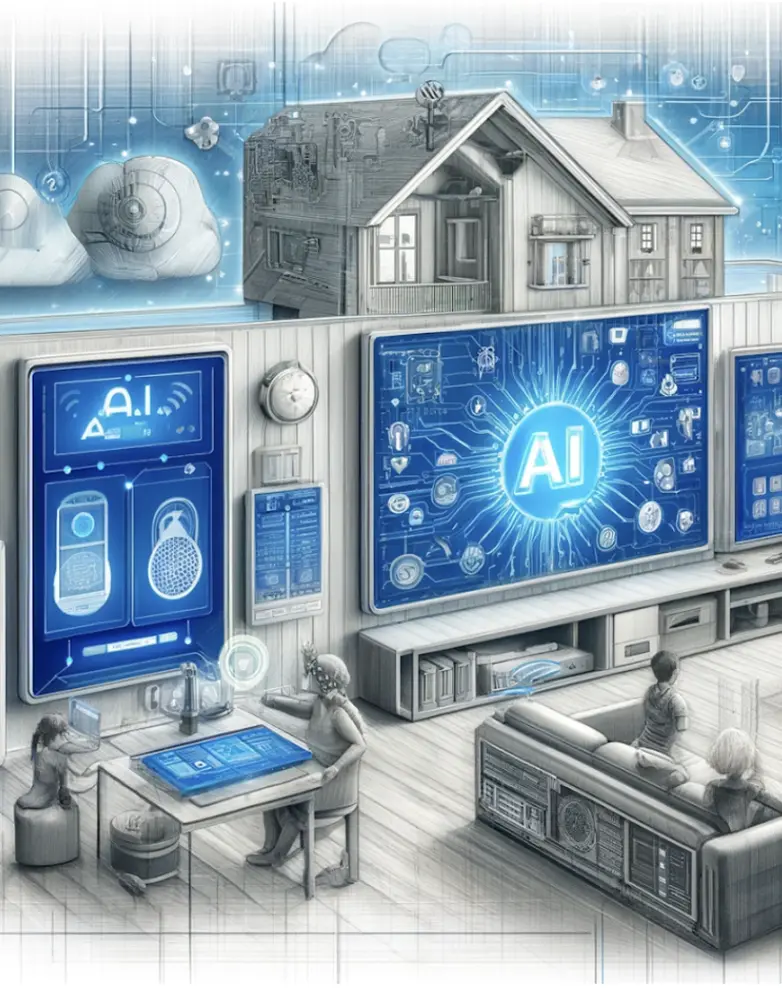
Artificial intelligence (AI) is becoming an increasingly integral part of our everyday lives. From the devices we use to the services we rely on, AI is transforming how we live, work, and interact with the world. Whether you’re using voice-activated assistants, enjoying personalized entertainment, or benefiting from healthcare innovations, AI plays a crucial role in improving efficiency and convenience. For example, platforms like https://FIRST.com/casino/best-welcome-bonuses employ AI to enhance user experiences, providing tailored offers and dynamic gameplay. In this article, we will explore the impact of AI on various aspects of daily life, from smart homes to advancements in medicine.
AI in Smart Homes: Enhancing Comfort and Convenience
Smart homes are one of the most prominent examples of AI in everyday life. These systems use AI algorithms to automate tasks, manage energy consumption, and enhance security, providing a more efficient and comfortable living environment. From smart thermostats to voice-controlled assistants, AI is at the heart of these innovations.
Key AI features in smart homes:
- Voice Assistants: Devices like Amazon Alexa, Google Assistant, and Apple Siri use AI to understand voice commands and execute tasks such as controlling lights, setting reminders, or playing music.
- Smart Thermostats: AI-powered thermostats like the Nest Learning Thermostat learn your temperature preferences and adjust automatically, optimizing energy use and enhancing comfort.
- Security Systems: AI-driven security cameras and doorbells, such as Ring and Nest, use facial recognition and motion detection to alert homeowners of potential security threats in real-time.
AI in smart homes makes daily tasks easier, saves energy, and offers personalized experiences. With AI handling routine tasks, people can focus on more important aspects of their lives, while maintaining a higher level of control and security at home.
AI in Transportation: Redefining How We Travel
Transportation is another area where AI is making significant strides. Whether it’s through self-driving cars or AI-based traffic management systems, the impact of AI in transportation is reshaping how we move from place to place, aiming for safer, more efficient travel.
How AI is transforming transportation:
- Autonomous Vehicles: Self-driving cars use AI algorithms to navigate roads, avoid obstacles, and make decisions in real time. Companies like Tesla and Waymo are at the forefront of this technology, with the goal of making travel safer and reducing human error.
- Traffic Management: AI systems can analyze real-time traffic data to optimize traffic lights and reduce congestion. Cities like Los Angeles are already using AI to improve traffic flow and decrease travel time.
- Public Transport: AI is also being integrated into public transportation systems to predict arrival times, optimize routes, and improve passenger experiences.
AI in transportation promises to reduce accidents, make travel more efficient, and provide cleaner alternatives, all of which can greatly enhance the quality of our daily commutes.
AI in Healthcare: Revolutionizing Medical Care
AI’s role in healthcare is one of the most exciting and impactful developments of our time. From improving diagnoses to enabling personalized treatments, AI is transforming how healthcare is delivered, making it more accurate, accessible, and efficient.
Key applications of AI in healthcare:
- Medical Imaging: AI algorithms are capable of analyzing medical images (X-rays, MRIs, CT scans) to detect conditions such as tumors or fractures with remarkable accuracy, often earlier than human doctors could.
- Personalized Medicine: AI systems analyze patient data—such as genetic information and medical history—to recommend customized treatment plans, improving the chances of successful outcomes.
- Virtual Health Assistants: AI-driven virtual assistants, such as chatbots and telemedicine tools, provide patients with immediate medical advice, helping to triage conditions and manage care remotely.
AI is helping doctors diagnose and treat patients more effectively, making healthcare more efficient and accessible, especially in areas with limited resources.
AI in Entertainment: Personalized Content at Your Fingertips
AI has had a profound impact on the entertainment industry, particularly in how content is delivered and personalized. Streaming platforms like Netflix, Spotify, and YouTube use AI to recommend content based on user preferences and viewing history, creating tailored experiences for each user.
How AI enhances entertainment:
- Content Recommendations: AI analyzes your watching or listening habits to suggest shows, movies, or songs you might enjoy. This personalized experience keeps you engaged and ensures you’re always discovering new content.
- Content Creation: Some entertainment companies are using AI to generate content, such as music or video editing. This allows for faster production while maintaining high-quality standards.
- Interactive Experiences: In gaming, AI can adapt to the player’s style, offering more personalized challenges and creating a more dynamic, immersive experience.
AI in entertainment has transformed the way we interact with media, providing highly personalized and interactive experiences that keep us engaged.
AI in Finance: Smarter Investments and Financial Management
AI is also playing a key role in the financial industry. From personalized banking services to AI-driven investment strategies, AI is reshaping how we manage our money, making it easier to track finances and make informed decisions.
Key AI-driven innovations in finance:
- Robo-Advisors: These AI-based platforms provide automated financial advice, offering portfolio management services tailored to your goals, risk tolerance, and investment preferences.
- Fraud Detection: AI algorithms are used to monitor transactions in real-time, identifying suspicious activity and preventing fraud before it occurs.
- Personalized Banking: AI is used to analyze spending habits and provide personalized financial insights and recommendations, helping users save money and make smarter financial decisions.
With AI making financial management more efficient, individuals and businesses alike can optimize their investments, track their spending, and protect themselves from fraud.
AI in Retail: Enhancing Shopping Experiences
In the retail sector, AI is improving both the customer experience and operational efficiency. From personalized recommendations to AI-powered inventory management, the integration of AI is making shopping more convenient and efficient.
Ways AI is transforming retail:
- Personalized Shopping: Retailers use AI to track customer preferences and recommend products tailored to individual tastes, enhancing the shopping experience both online and in-store.
- Inventory Management: AI can predict which products will be in high demand, optimizing stock levels and reducing waste. This helps retailers keep popular items in stock while minimizing overstock.
- Customer Support: AI-powered chatbots and virtual assistants can help customers with inquiries, track deliveries, and offer support at any time, improving customer service.
AI in retail not only creates a more enjoyable and personalized shopping experience for consumers but also helps businesses streamline their operations and stay competitive.
The Future of AI in Everyday Life
As AI continues to evolve, it will become an even more integral part of everyday life. From advancements in healthcare to new applications in transportation and entertainment, AI is shaping the way we interact with the world. However, with these advancements come ethical considerations, such as data privacy and job displacement, that will need to be addressed. As we move toward a future where AI is embedded in nearly every aspect of our lives, it will be essential to strike a balance between leveraging its capabilities and ensuring its responsible use.
AI has the potential to revolutionize nearly every aspect of our daily lives, from how we live in our homes to how we manage our health and finances. By continuing to innovate and adapt, AI will undoubtedly continue to improve the efficiency, convenience, and quality of life for people around the world.
- About the Author
- Latest Posts

Our Editorial Team are writers and experts in their field. Their views and opinions may not always be the views of Wellbeing Magazine. If you are under the direction of medical supervision please speak to your doctor or therapist before following the advice and recommendations in these articles.