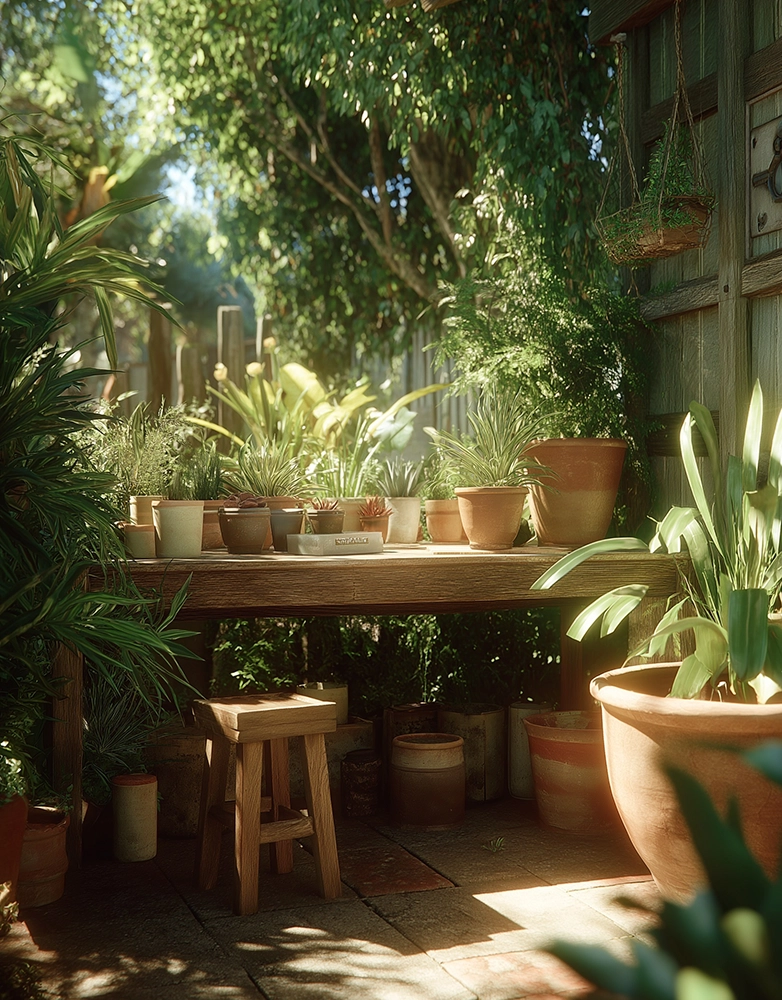
Creating a thriving backyard starts with understanding your plants and how to care for them properly. Your outdoor space can be a place of relaxation, beauty, and even productivity if you put in a little effort. Whether you’re tending to a lush lawn, a flower bed, or a small vegetable garden, knowing the basics of plant care makes all the difference.
The Importance of a Healthy Lawn
A beautiful backyard often starts with a well-maintained lawn. Grass is not only the foundation of your yard’s appearance, but it also helps prevent erosion and provides a soft surface for outdoor activities. According to This Old House, a well-maintained lawn with 1,000 square feet can have roughly one million individual grass plants. That’s a lot of greenery to care for! Regular mowing, proper fertilization, and watering at the right times are essential for keeping grass healthy and dense. Even small adjustments, like aerating the soil or overseeding bare patches, can make a big difference in overall lawn health.
Caring for Trees and Shrubs
While lawns get most of the attention, trees and shrubs are the backbone of your backyard landscape. They provide shade, structure, and year-round interest, but they also require proper care. Pruning dead branches, checking for pests, and ensuring adequate water are all part of maintaining their health. According to Harris, 90% of homeowners believe that it is important to maintain their yard, and 2 out of 3 backyard owners say they would hire a professional tree service to help them care for their trees, shrubs, and other woody plants. For residents seeking reliable support, choosing a trusted tree service in Mechanicsville and Southern Maryland ensures expert care tailored to local climate conditions and soil types. Bringing in experts when needed can prevent costly mistakes and keep your backyard looking its best.
Growing Edible Plants
More homeowners are turning parts of their yards into productive spaces for growing food. Edible plants, such as tomatoes, herbs, and leafy greens, not only add beauty but also provide fresh ingredients for your meals. According to the National Association of Landscape Professionals, 67 percent of adults are growing or plan to grow edible plants. Whether you’re planting in containers, raised beds, or directly in the ground, proper soil preparation, watering, and sunlight are critical for a successful harvest. Growing your own food can also be rewarding and environmentally friendly, reducing the need for store-bought produce while adding charm to your backyard.
Soil and Fertilization Tips
Healthy plants start with healthy soil. Before planting, it’s important to test your soil for pH and nutrient levels. This ensures you’re providing the right environment for growth. Organic compost, mulch, and natural fertilizers improve soil structure and encourage beneficial microorganisms. Avoid over-fertilizing, as too much can damage roots and stunt growth. Incorporating native plants can also reduce maintenance needs, as they’re adapted to local conditions and require less water and fertilizer. Paying attention to soil quality is one of the easiest ways to support a thriving backyard ecosystem.
Watering Wisely
Watering may seem simple, but it’s easy to overdo or underdo it. Deep, infrequent watering encourages strong root development, while frequent shallow watering can make plants more vulnerable to stress and disease. Grouping plants with similar water needs together can simplify care and conserve water. Installing a drip irrigation system or soaker hoses helps deliver water directly to the roots while reducing waste.
Caring for your backyard plants is both a science and an art. From your lush lawn with potentially a million individual grass plants to the trees and shrubs that form the structure of your yard, thoughtful maintenance pays off. Incorporating edible plants adds beauty and productivity, giving you fresh ingredients and a sense of accomplishment. With the right techniques and a little dedication, your outdoor space can become a vibrant, inviting haven for years to come.