Doctor-Reviewed: Clinical Benefits, Dosage Guidance, and Realistic Before-and-After Expectations for Astaxanthin Supplements
1. Introduction: Why I Began Evaluating Astaxanthin
Astaxanthin first came to my attention through clinical and nutritional research rather than consumer marketing. In medical and nutrition literature, it is frequently referenced in studies related to oxidative stress, eye health, inflammation, and healthy aging. As a physician with a focus on preventive health, I routinely evaluate supplements not only based on reported outcomes, but also on their source, manufacturing process, and regulatory standards.
My interest in astaxanthin developed during a period of prolonged screen exposure and regular physical activity, two common factors associated with oxidative and inflammatory stress. Rather than relying solely on personal use, I assessed astaxanthin from a broader clinical perspective — reviewing published research, examining ingredient sourcing, extraction and processing methods, and evaluating where and how products are manufactured. This article reflects that combined assessment, with the goal of helping readers make informed, evidence-based decisions when choosing an astaxanthin supplement.
2. What Is Astaxanthin and Why Is It Considered So Potent?
Astaxanthin is a naturally occurring carotenoid antioxidant derived primarily from the microalgae Haematococcus pluvialis. In nature, it functions as a protective compound, allowing the algae to withstand intense environmental stress such as ultraviolet radiation and nutrient deprivation. This protective role is directly related to astaxanthin’s unique molecular structure and antioxidant behavior.
Unlike many antioxidants, astaxanthin is able to span the entire cell membrane, providing protection both inside and outside the cell. Importantly, it remains stable after neutralizing free radicals and does not readily become pro-oxidative. This property is one reason astaxanthin is frequently studied alongside, or compared to, antioxidants such as vitamin C, vitamin E, lutein, and zeaxanthin for applications involving skin integrity, visual comfort, and inflammatory balance. These characteristics have made astaxanthin of particular interest in research related to chronic oxidative stress and age-associated cellular changes.
3. Astaxanthin Before and After: What People Are Really Looking For
Searches for terms like “astaxanthin before and after” generally reflect a desire for tangible, real-world outcomes rather than abstract antioxidant claims. In clinical research and observational use, astaxanthin is not associated with sudden or dramatic changes. Instead, reported benefits tend to be gradual and functional, emerging with consistent use over time.
Based on published studies, clinical observations, and long-term user feedback, the most commonly reported changes include improved skin hydration and tone, reduced eye fatigue associated with prolonged screen use, improved joint comfort during exercise recovery, and more stable daily energy levels. These effects typically develop over a period of approximately 2 to 12 weeks. Eye comfort is often noticed earlier, while changes related to skin or joint comfort generally require longer, consistent intake. Importantly, “before and after” improvements should be understood as cumulative and supportive rather than cosmetic or immediate in nature.
4. How These Astaxanthin Supplements Were Evaluated
Each astaxanthin supplement included in this review was evaluated using consistent, professional criteria. Key considerations included the source of astaxanthin (with preference for algae-derived forms), dosage and bioavailability, formulation quality (such as oil-based versus dry powder delivery), and transparency regarding manufacturing origin and testing practices. Products were also reviewed for compliance with applicable regulatory standards relevant to supplements sold in North America.
Availability through Amazon was considered a practical advantage, as reliable access supports consistent daily use — an important factor for supplements like astaxanthin that exert their benefits cumulatively rather than acutely. Pricing, label clarity, and overall value were also considered to provide a balanced assessment for readers seeking both quality and practicality.
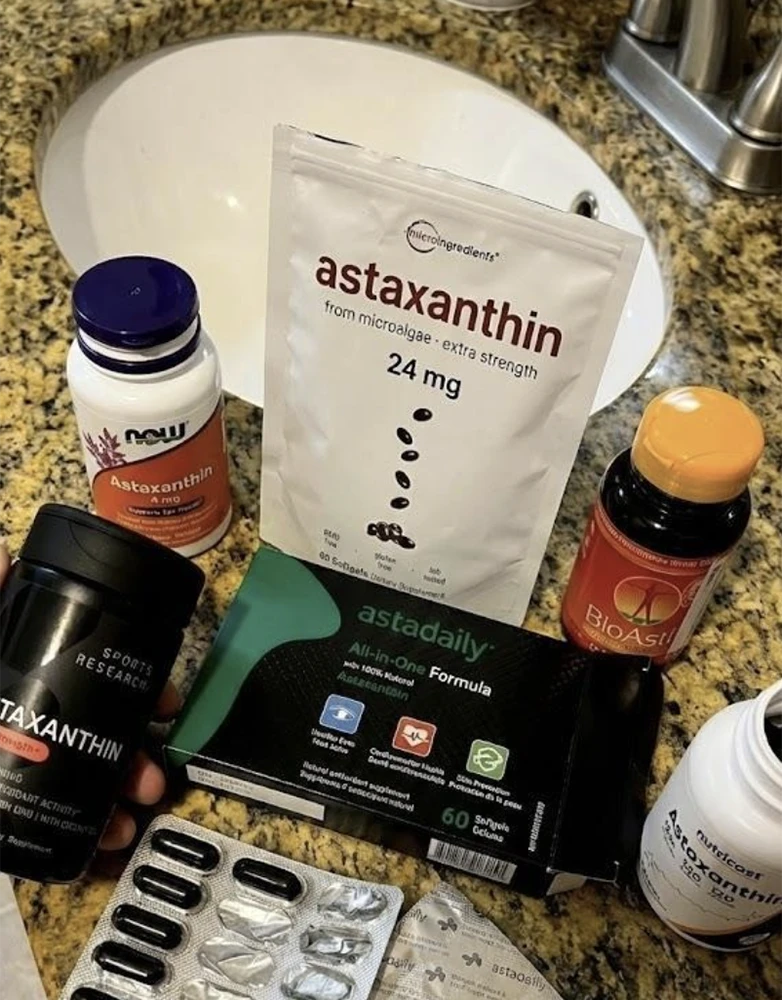
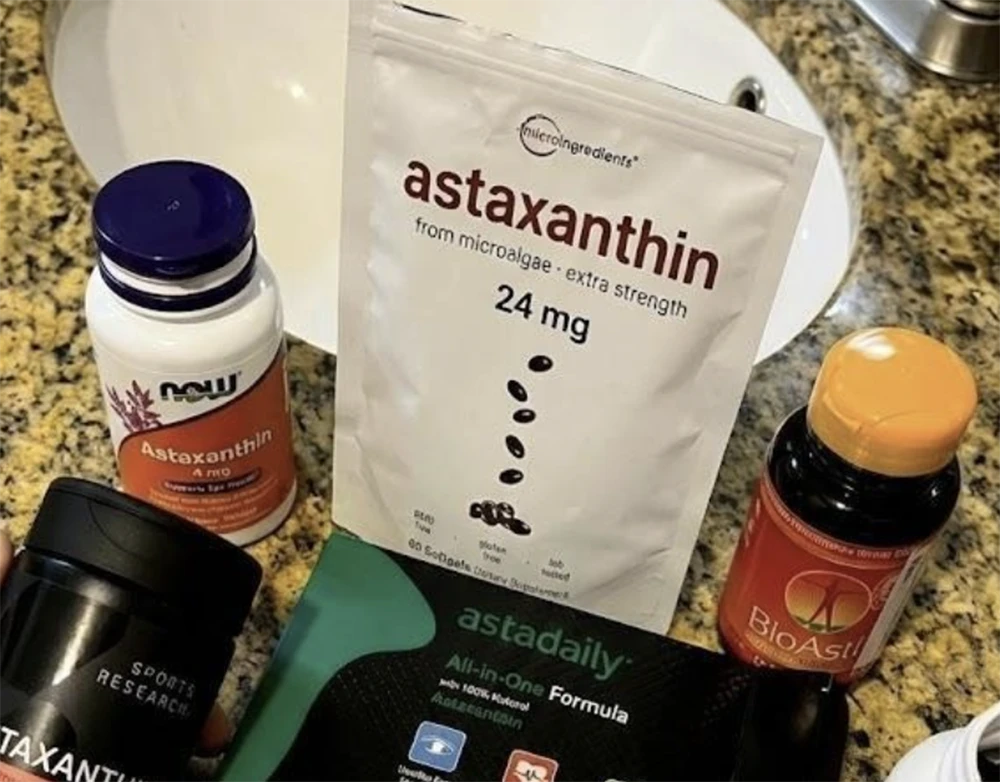
5. 🏆 The Top 6 Astaxanthin Supplements on Amazon (Reviewed & Ranked)
This section is intentionally detailed. Clinical outcomes associated with astaxanthin are highly dependent on formulation quality, dosing strategy, bioavailability, and consistency of use. Each product below was evaluated using the same criteria to allow for meaningful comparison.
5.1 Best Overall Formula (Clinically Balanced Formulation): Astadaily All-In-One Astaxanthin
(Available on Amazon.com and Amazon.ca)
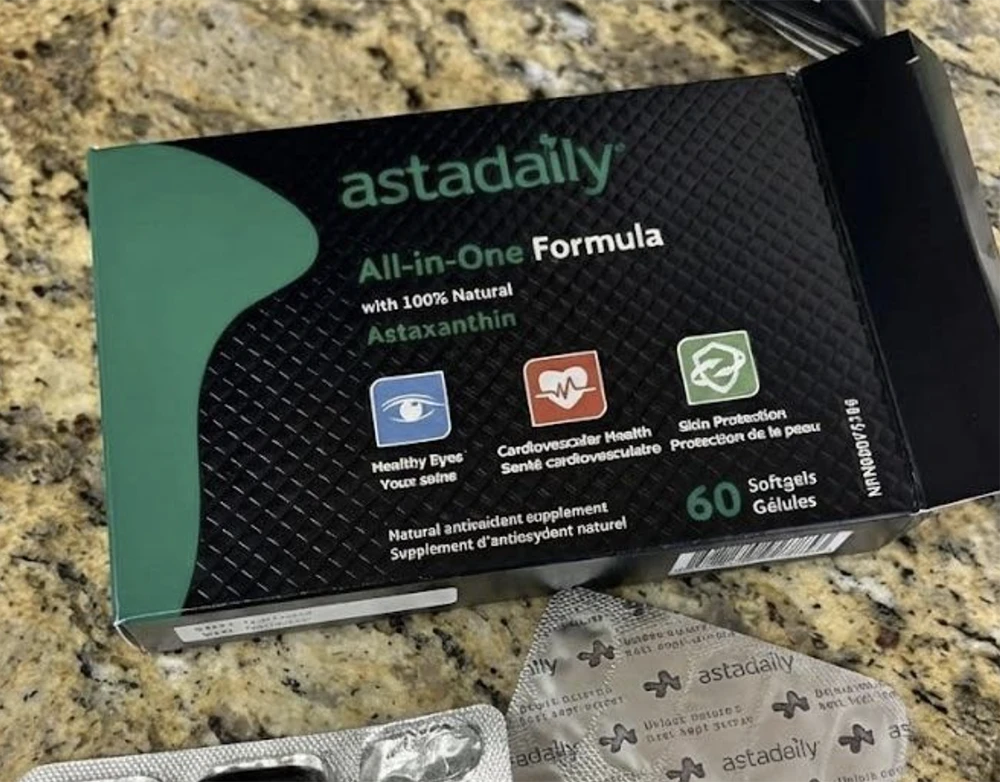
After reviewing formulations, ingredient interactions, and clinical relevance, this product ranks highest from a formulation and daily-use standpoint.
What differentiates Astadaily is not simply the astaxanthin dose, but the formulation intent. Rather than positioning astaxanthin as a standalone antioxidant, this product integrates it into a broader eye- and longevity-focused formula. From a clinical perspective, this matters because oxidative stress and visual strain rarely affect a single system in isolation.
Formula overview and features:
Astadaily provides 12 mg of natural astaxanthin sourced from AlgaeAsta®, combined with lutein and anthocyanins—nutrients commonly associated with visual function and retinal health. The inclusion of these compounds aligns with research showing that carotenoids often perform better when used synergistically rather than in isolation.
Who it’s best for:
This formulation is particularly well suited for individuals with prolonged screen exposure, professionals experiencing visual fatigue, and those interested in long-term support for eye health and skin aging rather than short-term performance effects.
Pros:
- Thoughtfully designed multi-ingredient formula
- Transparent algae-derived sourcing
- Blister packaging, which reduces oxidation and moisture exposure
- Appropriate 12 mg dosage for consistent, long-term daily use
Cons:
- Higher price point compared to single-ingredient options
- Not designed for extreme high-dose or short-term use
Clinical assessment:
From a clinical perspective, Astadaily reflects a formulation designed for sustained physiological support rather than isolated antioxidant dosing, making it particularly appropriate for ongoing daily supplementation.
5.2 Best High-Dose Option: Sports Research Astaxanthin
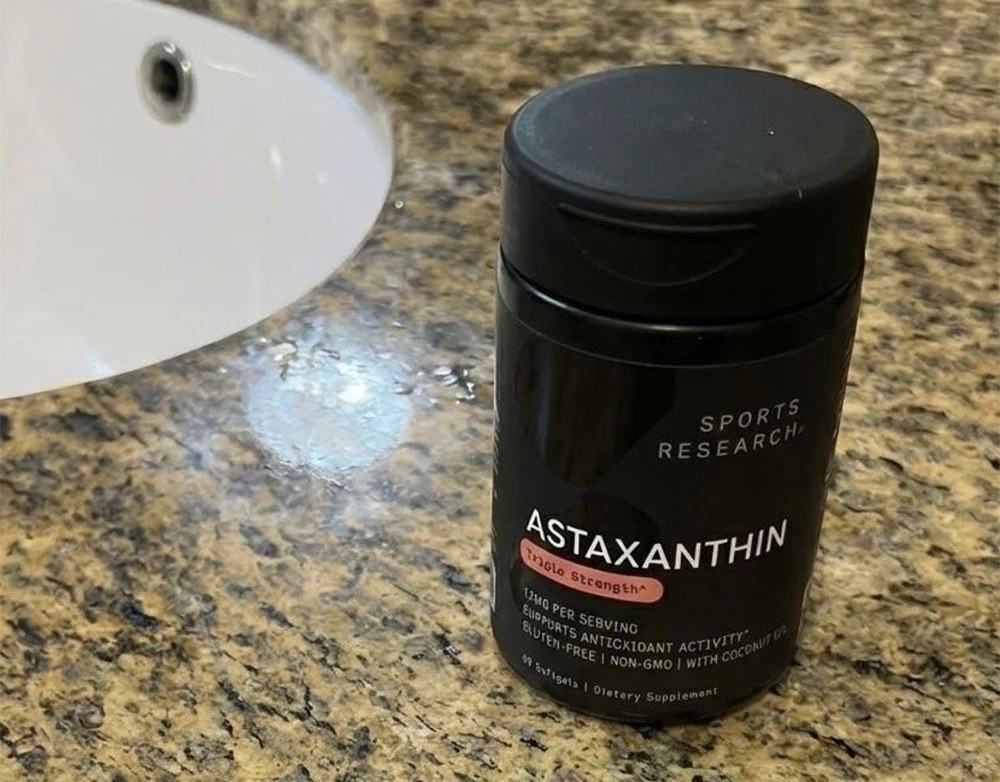
Sports Research offers a high-absorption, oil-based astaxanthin at a clinically relevant dose, making it a strong option for individuals focused on inflammation modulation and joint comfort.
Strength and formulation:
This product typically delivers 12 mg of astaxanthin suspended in coconut oil. Because astaxanthin is fat-soluble, oil-based delivery improves absorption and may enhance consistency of uptake.
Best for:
Athletes, physically active individuals, or those specifically targeting post-exercise recovery and joint comfort.
Limitations:
While effective as a single-ingredient formulation, it does not include complementary carotenoids that may support eye health, and sourcing transparency is more limited compared to premium, multi-nutrient formulations.
5.3 Best Budget Pick: Nutricost Astaxanthin
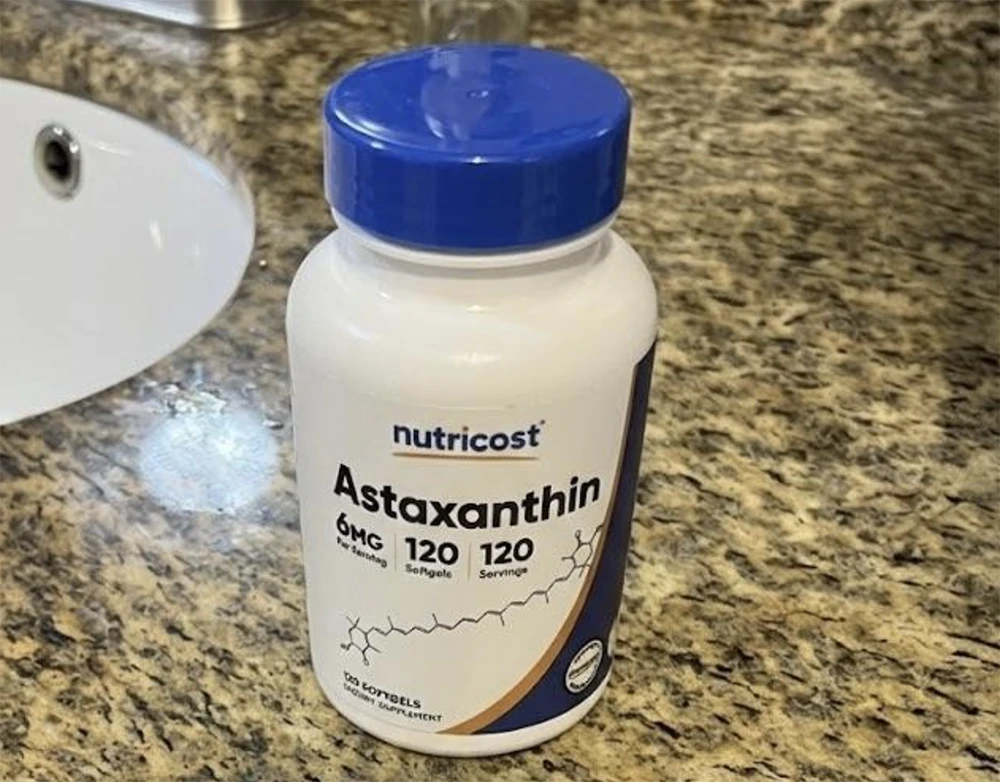
Nutricost focuses on affordability and straightforward dosing, making this option accessible for users who are familiar with astaxanthin and want a cost-effective entry point.
Value per serving:
Typically provides 12 mg of astaxanthin per capsule at a competitive price.
Who should choose this option:
Budget-conscious users who prioritize dose over formulation complexity and are comfortable supplementing astaxanthin without additional synergistic ingredients.
Trade-offs:
The formulation provides minimal absorption support and limited sourcing detail, which may affect consistency of results for some users.
5.4 Best Trusted Legacy Brand: NOW Foods Astaxanthin
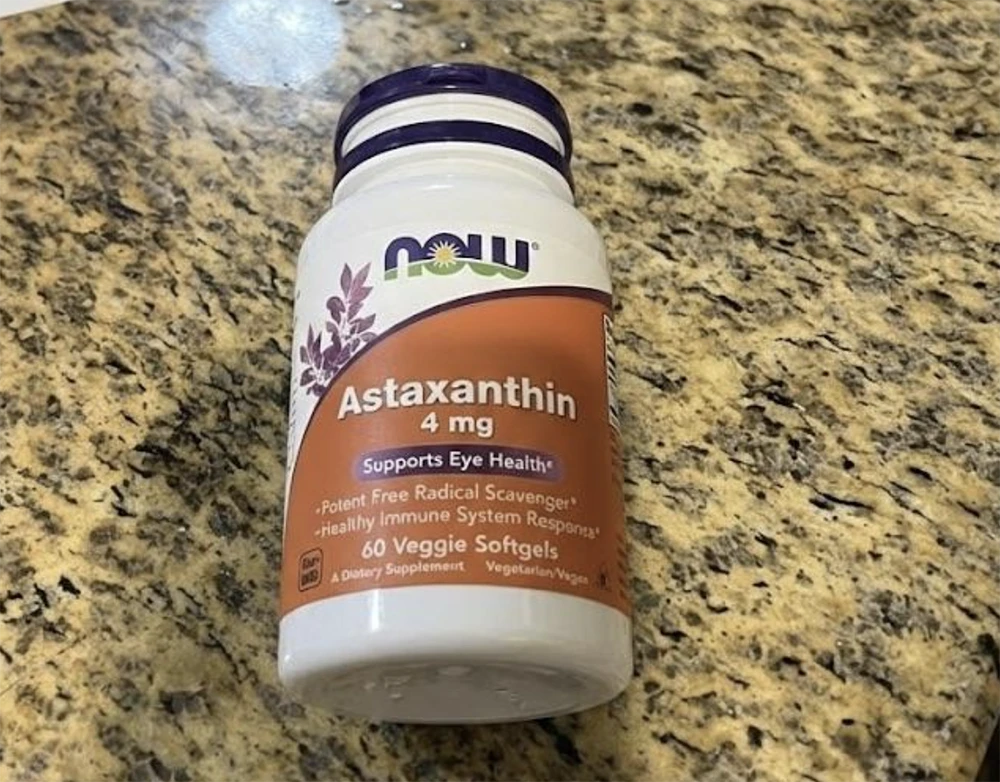
NOW Foods is a long-established supplement manufacturer known for consistent quality control and manufacturing standards.
Brand reliability:
For users who prefer conservative dosing from a widely recognized brand, NOW Foods offers a lower-dose astaxanthin suitable for general antioxidant maintenance.
Limitations:
Lower potency and lack of formulation enhancements may limit perceived benefits for individuals seeking eye-specific or joint-focused outcomes. Lower-dose formulations may also fall below the ranges used in many studies examining visual comfort and inflammation support.
5.5 Best Clean Ingredient Profile: MicroIngredients Astaxanthin
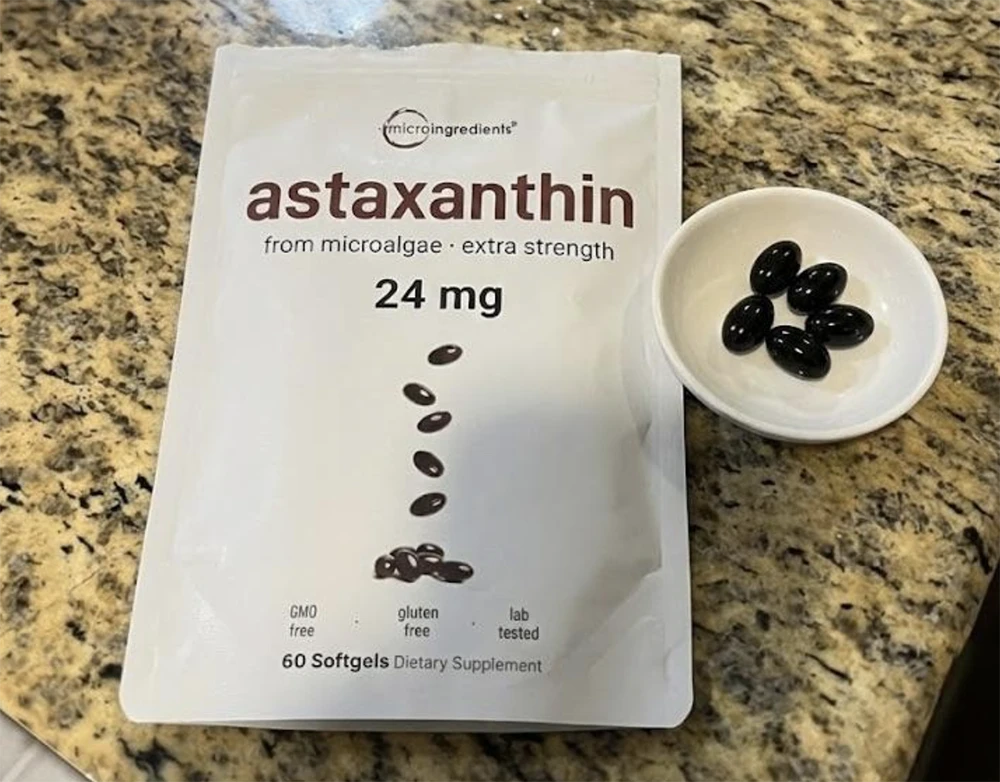
MicroIngredients is notable for its minimal-additive approach, appealing to users who are highly ingredient-conscious.
Important dosage consideration:
This product is often labeled at higher nominal doses, which may exceed what most individuals require for routine daily use, particularly when taken consistently. Higher labeled amounts do not necessarily translate to proportionally greater benefit.
Ideal for:
Ingredient-sensitive users who understand dosing strategies and prefer flexibility, such as dividing servings or using astaxanthin intermittently.
Considerations:
Higher doses are not inherently better, and bag-style packaging may increase the risk of oxidation over time compared to sealed capsule or blister formats.
5.6 Best Research-Backed Source: BioAstin Hawaiian Astaxanthin
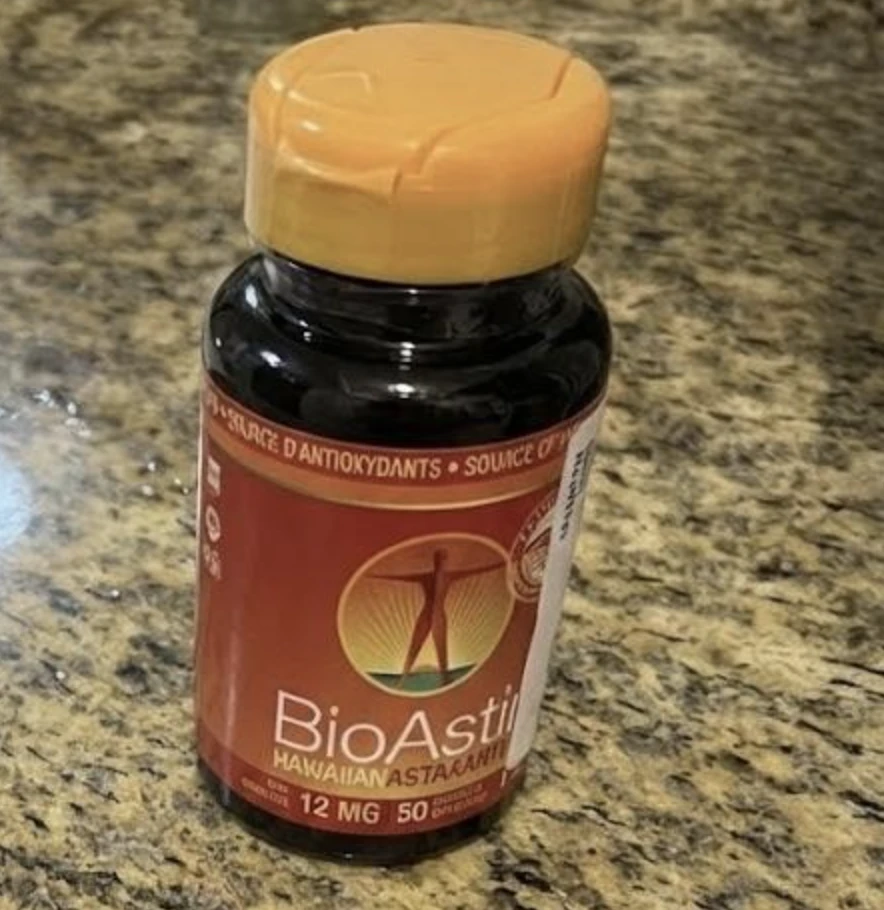
BioAstin is one of the most extensively studied astaxanthin brands and is frequently cited in early clinical research.
Research background:
Derived from Hawaiian microalgae, BioAstin has played a significant role in establishing the foundational body of research on astaxanthin and its physiological effects.
Limitations:
Open-pond cultivation can introduce variability, and most formulations are single-ingredient products without additional nutrients targeting eye or skin health. Newer closed-system cultivation methods may offer improved consistency and contamination control.
6. Side-by-Side Comparison Table
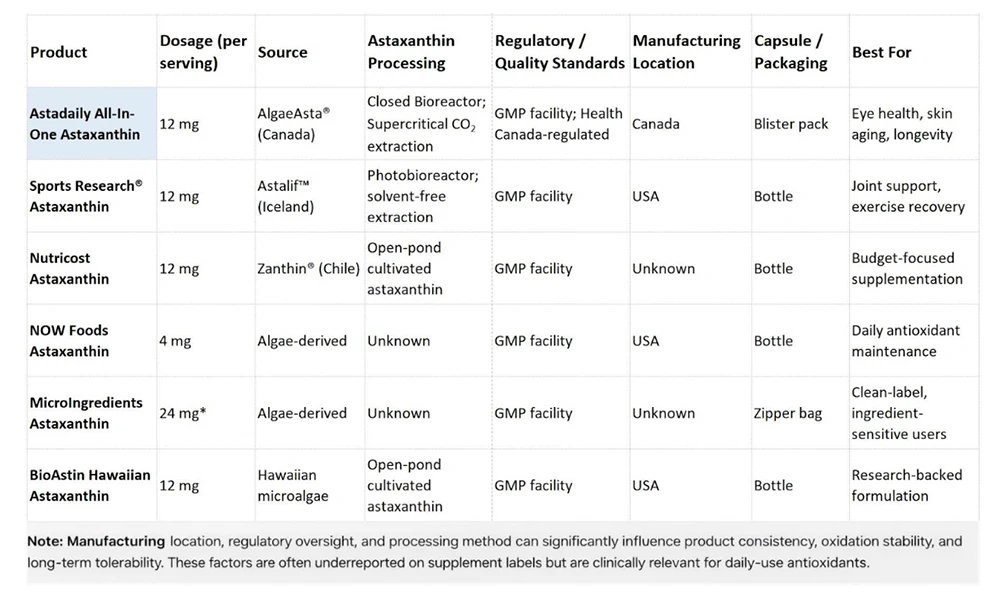
7. Astaxanthin Before and After: Clinical Observations and User Patterns
In clinical observation and extended evaluation, improvements in eye comfort are often reported within the first four to six weeks of consistent astaxanthin use. More gradual changes related to skin quality and exercise recovery typically emerge later, often between the 60- and 90-day mark. Aggregated feedback from long-term readers and users follows similar timelines.
Notably, several human clinical trials suggest that astaxanthin may provide greater visual and neurological support when used in combination with other vision-related nutrients, particularly lutein and zeaxanthin. These compounds are known to accumulate in the macula and play a role in visual processing, contrast sensitivity, and protection against screen-induced visual strain. In combination, they have been studied for their potential to support eye–hand coordination and visual performance during prolonged screen use, a relevant outcome for individuals with extensive daily digital exposure.
Consistent with these findings, individuals with heavy screen use often report earlier and more noticeable improvements when using formulations that include astaxanthin alongside complementary carotenoids, rather than astaxanthin alone. This may help explain why multi-ingredient, eye-focused formulations such as Astadaily— which include astaxanthin together with lutein and related compounds — are often perceived as more supportive for sustained visual comfort and screen-related visual demands.
Across both clinical observation and user-reported experience, consistency of use appears to be a more important determinant of outcomes than increasing dosage beyond standard intake ranges.
8. How Much Astaxanthin Should You Take?
Most human studies and clinical use protocols involving astaxanthin fall within a daily intake range of approximately 4–12 mg, depending on the intended benefit. Lower doses are commonly used for general antioxidant support, while higher doses within this range are more frequently studied for eye comfort, inflammation modulation, and exercise recovery.
Astaxanthin is fat-soluble and should be taken with a meal containing dietary fat to support absorption. In practice, taking astaxanthin with breakfast or the largest meal of the day tends to improve tolerability and consistency. Higher doses do not necessarily lead to faster or greater benefits and may increase the likelihood of intolerance in some individuals. For a detailed discussion of dosage considerations by health goal, readers may refer to the in-depth astaxanthin dosage guide available on this blog.
9. Safety, Side Effects, and Who Should Be Cautious
Astaxanthin is generally well tolerated in healthy adults when used within commonly studied dosage ranges. Mild gastrointestinal discomfort has been reported occasionally, particularly when taken without food. Serious adverse effects are uncommon in the available literature.
Individuals who are pregnant or breastfeeding, as well as those taking anticoagulant or antiplatelet medications, should consult a healthcare professional before using astaxanthin supplements. Astaxanthin should not be used as a substitute for medical treatment or professional care, and supplementation should be considered within the context of an individual’s overall health status.
10. Frequently Asked Questions About Astaxanthin
Does astaxanthin really work?
Yes. When taken consistently at appropriate doses, astaxanthin has been shown in multiple studies to support antioxidant balance, eye comfort, and inflammation modulation.
How long before results appear?
Most users report noticeable effects between four and eight weeks, although this varies depending on individual factors and the specific outcome being assessed.
Is astaxanthin better than collagen?
Astaxanthin and collagen support different physiological systems. They are not interchangeable and may be used together as part of a broader wellness approach.
Can astaxanthin be taken long-term?
Yes. Astaxanthin is commonly used as a long-term supplement in clinical and wellness settings when taken within standard dosage ranges.
Is astaxanthin worth the money?
For individuals seeking multi-system antioxidant support, many find astaxanthin to be a cost-effective option when used consistently.
11. Final Verdict: Which Astaxanthin Supplement Is Right for You?
The most appropriate astaxanthin supplement depends on individual goals, tolerance, and consistency of use. For those who prioritize formulation quality and eye-focused nutrient combinations, Astadaily is a strong option. Individuals primarily seeking affordability may find Nutricost to be a practical choice, while those interested in historically research-backed formulations may continue to consider BioAstin.
Canadian consumers should pay particular attention to regulatory markers such as Natural Product Numbers (NPNs) and products manufactured under Canadian regulatory oversight, as these provide an additional layer of quality assurance.
12. Where to Buy Astaxanthin
Because astaxanthin works cumulatively rather than acutely, maintaining consistent daily intake is more important than short-term dosing strategies. Large online marketplaces such as Amazon offer practical advantages in terms of availability and supply continuity, which can support adherence over the 8–12 week period typically required to observe benefits.
Availability, pricing, and brand selection can differ significantly between Amazon.com (United States) and Amazon.ca (Canada). Consumers are encouraged to purchase from the marketplace appropriate to their location and to verify dosage, ingredient transparency, and regulatory compliance regardless of retailer.