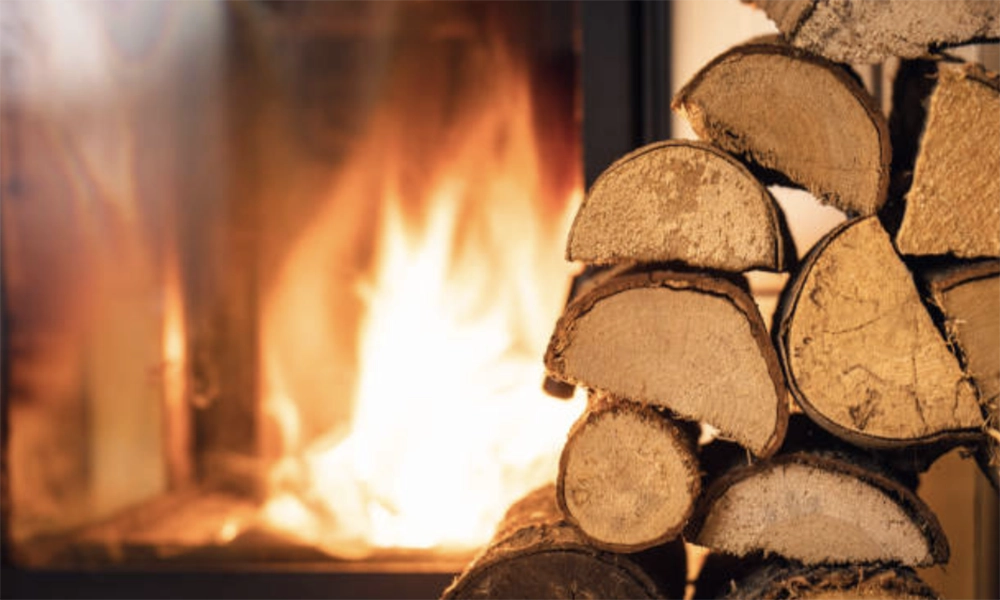
Heating a home with a wood burning stove or fireplace depends greatly on the type of firewood you choose. Some logs burn longer, some produce stronger heat, and others ignite quickly but fade fast. Understanding the best firewood to burn in home helps you improve heating efficiency, reduce smoke and get the most value from every load of logs.
What Makes Firewood Good for Home Heating
Not all firewood performs the same when used in wood burning stoves or fireplaces. The best firewood to burn in home is defined by several key characteristics that influence how efficiently it burns and how much heat it produces.
Wood density
Dense wood contains more energy per log. Hardwoods such as oak, ash and beech are typically heavier and burn more slowly than softwoods. Because of this density, they release heat steadily and keep fires burning for longer periods.
Moisture content
Moisture is one of the most important factors affecting firewood performance. Logs with moisture above twenty percent burn poorly and create excess smoke. Properly dried logs ignite faster and allow the fire to reach its ideal temperature.
Heat output
The amount of heat a log can generate depends on both density and dryness. Dense hardwood logs provide higher heat output and are often preferred for heating homes during colder months.
Understanding these factors makes it easier to choose the best firewood to burn in home, especially when using modern wood burning stoves.
Best Firewood Types to Burn in the UK
Several hardwood species are widely recognised as excellent firewood for domestic heating. These woods burn efficiently and produce strong heat output when properly dried.
| Wood Type | Heat Output | Burn Time | Best Use |
| Oak | Very high | Long | Overnight heating |
| Ash | High | Long | Daily stove use |
| Beech | High | Long | Wood burning stoves |
| Birch | Medium | Medium | Quick heat and kindling support |
Oak is known for its dense structure and long burn duration, making it suitable for maintaining heat overnight. Ash is valued for its consistent burn and ease of use in many household stoves. Beech produces strong heat and burns evenly, while birch ignites quickly and helps establish fires rapidly.
In general, hardwood species tend to offer the best firewood to burn in home environments because they provide steady heat and longer burn cycles.
Hardwood vs Softwood Firewood
When comparing firewood options, many homeowners consider the differences between hardwood and softwood. Both types can be used in wood burning stoves, but they behave differently when burned.
| Firewood Type | Density | Burn Speed | Heat Output | Typical Use |
| Hardwood | High | Slow | Strong | Long heating fires |
| Softwood | Lower | Faster | Moderate | Quick fires or kindling |
Hardwood logs burn more slowly and maintain heat for longer periods. Softwood logs ignite quickly and produce faster flames, but they tend to burn out sooner.
In many homes, a combination of both types is used. Softwood can help start a fire quickly, while hardwood provides the sustained heat needed to warm a room effectively.
Kiln Dried vs Seasoned Firewood
Firewood can be prepared using different drying methods. The two most common types are kiln dried logs and naturally seasoned logs.
| Firewood Type | Drying Method | Moisture Level | Burning Performance |
| Kiln dried logs | Controlled kiln drying | Below 20% | Clean and efficient |
| Seasoned logs | Air dried over time | Variable | Less consistent |
Kiln drying removes moisture using controlled heat and airflow. This process produces logs that burn reliably and generate strong heat output.
Seasoned logs are air dried for months or years. While they can perform well, moisture levels are less predictable and may vary depending on storage conditions.
Because of their consistency, kiln dried logs are often considered the best firewood to burn in home heating systems.
How to Choose the Best Firewood for Your Stove
Selecting firewood depends on how your stove or fireplace is used throughout the day.
Smaller stoves often perform best with medium sized hardwood logs that burn steadily without overheating the chamber. Larger stoves can handle dense hardwood pieces that maintain heat for extended periods.
Households that rely heavily on wood heating often prefer hardwood logs such as oak or ash because they provide stable, long lasting warmth. Softer woods can still be useful for lighting fires quickly or maintaining shorter burns.
Understanding the heating requirements of your home allows you to select the best firewood to burn in home environments with greater confidence.
Where to Buy Quality Firewood in the UK
Finding reliable firewood suppliers is important for maintaining consistent home heating throughout colder months. High quality logs should be properly dried, cleanly cut and ready to burn immediately.
Kiln dried firewood is widely available across the UK and provides predictable burning performance for wood burning stoves and fireplaces.
Homeowners looking for ready to burn firewood can explore collections such as Kiln Dried Hardwood Logs at Kiln-driedlogs.co.uk.
These types of logs are commonly prepared to meet modern firewood standards and are designed for reliable domestic heating.
Choosing the best firewood to burn in home heating systems improves both comfort and efficiency. Dense hardwood logs such as oak, ash and beech provide longer burn times and stronger heat output. When properly dried, especially through kiln drying, these logs burn cleaner and more reliably, helping households maintain warm and efficient fires throughout the colder months.
- About the Author
- Latest Posts

Our Editorial Team are writers and experts in their field. Their views and opinions may not always be the views of Wellbeing Magazine. If you are under the direction of medical supervision please speak to your doctor or therapist before following the advice and recommendations in these articles.