The average Australian office worker spends more than seven hours daily seated at their desk. This prolonged sedentary behaviour creates health consequences that researchers are only beginning to fully understand.
The Hidden Cost of Sitting All Day
Medical professionals now refer to excessive sitting as a significant public health concern. Studies consistently link prolonged sedentary behaviour to increased risks of cardiovascular disease, diabetes, and musculoskeletal disorders.
Back pain alone costs Australian businesses billions of dollars annually in lost productivity and healthcare expenses. Many workers accept chronic discomfort as an unavoidable consequence of office employment.
The human body evolved for movement, not for eight-hour stretches in fixed positions. Our musculoskeletal systems require regular position changes to maintain proper function and prevent degradation.
Blood circulation slows dramatically when we remain seated for extended periods. This reduced flow affects everything from cognitive function to digestive health.
Understanding Ergonomic Principles
Ergonomics examines how work environments affect human physiology and performance. Proper ergonomic design minimises physical stress while maximising comfort and efficiency.
Traditional office furniture forced workers to adapt their bodies to fixed workstations. Modern ergonomic approaches reverse this relationship, creating furniture that adapts to individual needs. For instance, integrating PrivacyPod’s office pods can enhance ergonomics by providing flexible, quiet spaces that reduce the environmental stressors typical of open-plan layouts.
Neutral body positioning reduces strain on muscles, tendons, and joints throughout the workday. Achieving this neutral position requires furniture capable of precise adjustment to individual measurements. Monitor height, keyboard position, and work surface elevation all contribute to overall ergonomic quality. Misalignment in any single element creates compensating stresses throughout the body.
The Science Behind Standing at Work
Research into standing workstations began decades ago in Scandinavian countries known for workplace innovation. Early studies demonstrated measurable benefits from alternating between sitting and standing positions.
Standing increases caloric expenditure by approximately 50 calories per hour compared to sitting. While modest, this difference accumulates significantly over weeks and months of regular use.
Blood glucose levels stabilise more effectively when workers alternate positions throughout the day. This metabolic benefit proves particularly valuable for workers managing diabetes or pre-diabetic conditions.
Mental alertness and focus often improve when workers stand during tasks requiring concentration. The slight physical engagement of standing appears to enhance cognitive performance.
Evolution of Workplace Furniture Design
Early standing desks offered simple fixed-height surfaces requiring users to stand continuously. These basic designs provided limited appeal because standing all day creates problems comparable to sitting all day.
Manual crank mechanisms represented the first practical height-adjustment solutions for office environments. Workers could raise or lower their work surfaces, though the effort required discouraged frequent changes.
Electric motors transformed height-adjustable furniture from novelty items into practical daily-use equipment. Push-button controls enable effortless transitions between sitting and standing positions multiple times daily.
Modern systems include programmable memory settings storing preferred heights for different tasks. Users can recall their optimal sitting or standing positions instantly without manual adjustment.
Key Features in Quality Workstations
Frame construction determines long-term durability and stability under daily use conditions. Steel frames with quality welding provide decades of reliable service in demanding environments.
Motor systems vary dramatically in quality, noise level, and operational lifespan across different products. Dual-motor configurations offer superior stability and smoother operation than single-motor alternatives.
Weight capacity specifications indicate how much equipment and materials the desk can safely support. Quality workstations handle monitors, computers, documents, and accessories without stability concerns.
Height range determines whether the desk accommodates users of different statures comfortably. Look for adjustment ranges spanning at least 650mm to 1300mm to suit most adult users.
Desktop Materials and Sizes

Work surface materials range from budget-friendly melamine to premium solid timber options. Each material offers distinct advantages in durability, appearance, and environmental impact.
White and black finishes remain popular choices for contemporary office environments. These neutral colours coordinate easily with existing décor while maintaining a professional appearance.
Bamboo desktops provide sustainable alternatives, combining environmental responsibility with attractive aesthetics. This rapidly renewable material offers durability comparable to traditional hardwoods.
Rubberwood surfaces deliver warmth and character suited to home office environments. This plantation-grown timber represents another environmentally conscious choice gaining popularity.
Desktop dimensions affect how effectively workers can organise their equipment and documents. Common widths include 1400mm, 1600mm, and 1800mm, with depth typically around 700mm.
Creating an Effective Workspace
Desk selection represents just one element of comprehensive workspace ergonomics. Complementary accessories enhance functionality and support healthy working practices.
Monitor arms position screens at optimal viewing heights independent of desk surface elevation. These accessories free desktop space while enabling precise screen positioning.
Cable management systems maintain organised, tangle-free connections as desks move between heights. Integrated cable trays prevent cords from catching or disconnecting during transitions.
Anti-fatigue mats cushion feet and encourage subtle movement during standing periods. These simple accessories significantly improve comfort for workers spending extended time upright.
Quality ergonomic chairs remain essential even with standing capability available. Workers still spend substantial portions of their days seated and deserve proper support.
Implementing Standing Practices Successfully
Transitioning to standing work requires gradual adaptation rather than immediate full adoption. Bodies accustomed to sitting need time adjusting to new movement patterns and demands.
Experts recommend beginning with 15 to 30-minute standing intervals several times daily. Gradually increase duration as comfort improves over subsequent weeks.
Footwear choices significantly impact standing comfort throughout the workday. Supportive shoes with cushioned soles reduce fatigue compared to dress shoes or heels.
Listening to body signals prevents overexertion during the adaptation period. Discomfort indicates the need to sit, not to push through pain.
Selecting the Right Equipment

Choosing appropriate furniture requires evaluating specific needs, available space, and budget constraints. Understanding priorities helps navigate the extensive options available in today’s market.
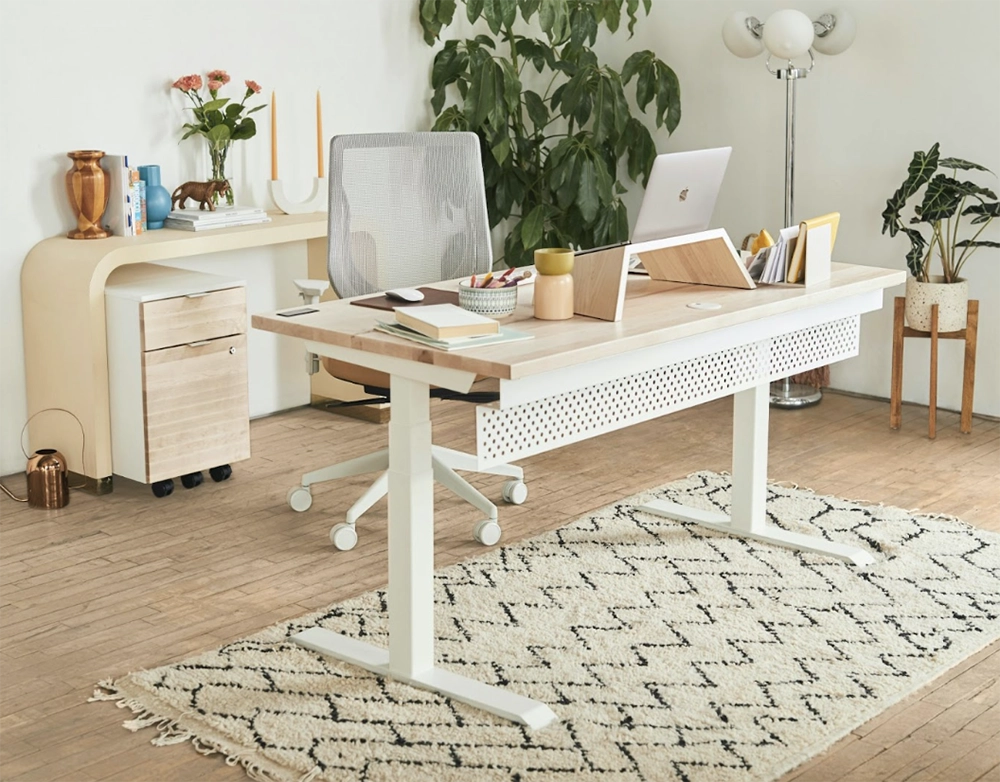
When shopping for an adjustable height desk, verify specifications match your requirements for height range, weight capacity, and desktop size. Quality suppliers provide detailed specifications enabling informed comparisons.
Warranty terms indicate the manufacturer’s confidence in product durability and construction quality. Look for warranties covering motors, frames, and electronics for meaningful periods.
Customer reviews offer insights into real-world performance that specifications cannot capture. Pay attention to comments about stability, noise levels, and long-term reliability.
Australian suppliers offering same-day dispatch ensure rapid delivery when upgrading workspaces. Local stock availability eliminates lengthy international shipping delays.
The Business Case for Ergonomic Investment
Employers increasingly recognise ergonomic furniture as a strategic investment rather than an expense. Reduced absenteeism and improved productivity generate returns exceeding initial purchase costs.
Workers experiencing less physical discomfort demonstrate measurably higher job satisfaction scores. This satisfaction correlates with improved retention and reduced recruitment costs.
Workplace injury claims related to poor ergonomics create significant liability exposure for employers. Proactive furniture investment demonstrates duty-of-care compliance while preventing costly incidents.
Insurance providers may offer premium reductions for workplaces implementing comprehensive ergonomic programs. These savings help offset equipment investment costs.
Home Office Considerations
Remote work arrangements have made home office ergonomics increasingly important for millions of Australians. Kitchen tables and couches provide inadequate support for sustained professional work.
Dedicated workspace furniture transforms spare rooms and corners into functional office environments. Proper equipment enables productivity matching or exceeding traditional office settings.
Compact standing desk options suit smaller spaces without sacrificing essential functionality. Even modest home offices can accommodate quality ergonomic furniture.
Tax deductions for home office equipment help offset costs for eligible remote workers. Consult accounting professionals regarding current allowances and documentation requirements.
Looking Toward the Future
Workplace furniture continues evolving with advancing technology and deepening health research. Smart desks tracking sitting and standing time may soon provide personalised health recommendations.
Integration with fitness trackers and health applications could enable comprehensive activity monitoring. This data helps workers optimise their movement patterns throughout workdays.
Sustainability considerations increasingly influence furniture design and material selection choices. Manufacturers prioritise recyclable materials and responsible manufacturing processes.
The fundamental insight driving these innovations remains constant: human bodies need movement.
Furniture supporting natural variation between positions protects health while enhancing work performance.
Investing in quality ergonomic equipment pays dividends in health, comfort, and productivity for years. Your body will thank you for making the change.
- About the Author
- Latest Posts

Our Editorial Team are writers and experts in their field. Their views and opinions may not always be the views of Wellbeing Magazine. If you are under the direction of medical supervision please speak to your doctor or therapist before following the advice and recommendations in these articles.