Body Positivity Affects Men Too
Although the beauty of social media is that we can connect with a diverse group of people from across the world..— constant exposure to what the media…
Over the last couple of years, body positivity emerged as a female-focused movement created to push back against the negative effects of social media — #bodypositivity accumulated over 11.5 million hashtags on Instagram at the end of 2019, showcasing women wearing the outfits that they want, not because they think they have to.
It’s no secret that the media can be damaging. Many have learnt to feel that way through television and media. Think back to when you were a young child and were blissfully unaware of the pressures of looking good, wearing that swimsuit that stuck to your stomach like a second skin and you couldn’t have cared less.
Although the beauty of social media is that we can connect with a diverse group of people from across the world..— constant exposure to what the media presents as the norm can make it difficult for people to accept and love themselves, constantly striving for unrealistic beauty standards.
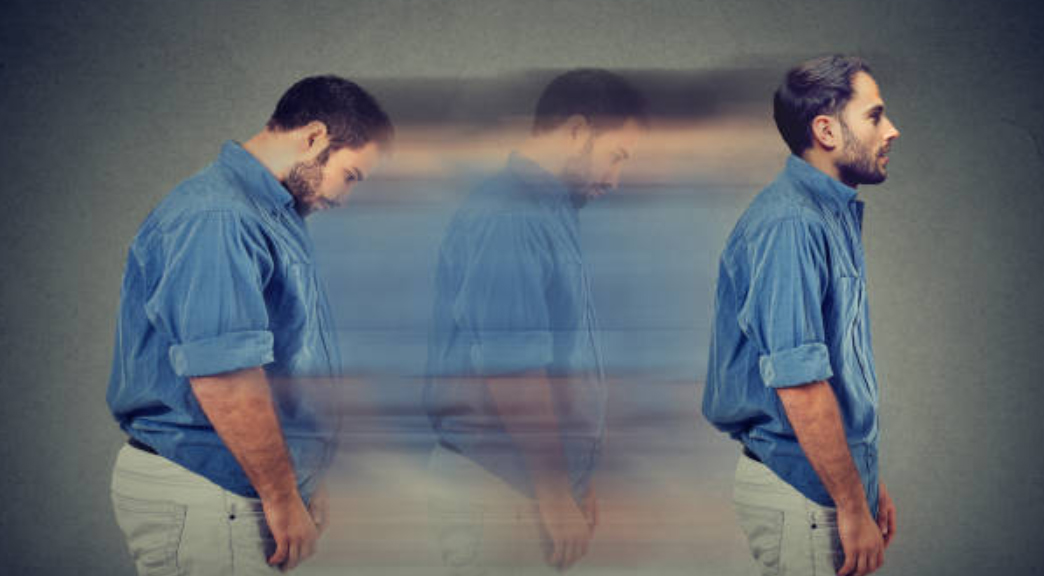
A growing topic discussed more openly, it’s become apparent that it isn’t just women who are being affected by this. Statistics have shown that men are unhappier with their body image than ever before. And due to the toxic masculine culture that is been purported today, many men are finding it difficult to speak out about their struggles. It’s becoming increasingly important to start a conversation about male body positivity and confidence. Although as mentioned, the Instagram #bodypositivity hashtag has lots of tags, a quick look on the app reveals that there’s only the occasional male taking part.
Male Body Positivity
We have collected data around body positivity and will explore what these suggest about men and women’s attitudes to their own bodies. 26% of men said that they weren’t comfortable with their body — statements were made such as “I would like to be less skinny, only muscular men are portrayed in the media”, “men are always portrayed with six packs in male beauty and grooming adverts”, “I wish I had abs instead of a beer belly”, and “even tiny imperfections on the skin are corrected, which poses unrealistic expectations on both the self-image and desirable partners”. 58% of men stated that they’d like to be a size medium, with 96% of women wanting to be a size small. Although women tend to strive to be smaller sizes, men are often pressured to be muscular. 33% of men agreed that content on social media made them feel negatively about their body in comparison to 72% of women. Although the rate is significantly higher for women, it shows that around a third of men are being negatively affected by what they see online — a further 36% of men believed that they would be more comfortable with their bodies if they weren’t exposed to content on social media, with 56% of women feeling this way too. Consistent findings have been found around male body image. However, body dissatisfaction likely begins as youngsters, making something ingrained in us at a young age that is harder to shake. Shockingly, a 2016 survey conducted by the BBC found that 55% of boys between the age of eight and 18 said they’d change their diet to improve their body image. The four main sources creating pressure and body dissatisfaction were friends (68%), social media (57%), advertising (53%) and celebrities (49%). Furthermore, over half of the respondents said they’d find it difficult to speak about it.What Can We Do?
It’s clear that there’s a problem with male body image. So, what can we do to support men and encourage them to open up and feel comfortable in their skin? Encourage diversity It is important that we support the movement for diversity and inclusivity. Supporting clothing brands that encompass and purport diversity will encourage other brands to follow suit. For example, online retailer Zalando launched a diversity campaign ‘Free to Be’, encouraging customers to be free in what we wear and look like. Models are used to represent true diversity in ethnicity, gender, backgrounds, size, and shape. The more successful campaigns like this are, the more likely it will become the norm. Stop making passing comments We can all sometimes be guilty of passing judgement. As cruel as it sounds, we’ve learned to form judgments on somebody about their appearance to gauge things like their characteristics and personality traits. But if there’s one thing that’s true, it’s not to judge a book by its cover. ‘He’s just a guy, he doesn’t care!’ — this couldn’t be further from the truth. Making little comments and making fun of somebody’s appearance on the assumption that they’ll see the joke is toxic behaviour. Think how you’d feel if somebody made a comment about something you were already self-conscious about. If you haven’t got anything nice to say, don’t say it at all. And we don’t necessarily mean to somebody’s face for a joke. If you’re in a bar or restaurant or walking somewhere with your friend and make a passing comment about a stranger’s weight or appearance, this is contributing to the problem. Stop following those Instagram influencers If you find that you follow body inspiration accounts on Instagram, remember to follow influencer accounts wisely. Celebrities in the 21st century have taken the form of Instagram influencers. It’s their job to look a certain way, and while a little style or makeup inspiration is good, don’t worry about looking exactly the same. Everyone’s appearance is unique! Scrolling through your homepage and seeing numerous portrayals of idealised body images is going to damage your own perceptions of yourself. A large review of data found that platforms like Instagram are a leading contributing factor when it comes to negative thoughts about your body. The first step to body positivity is self-acceptance. Cut this toxic energy out from your life and view these accounts as inspiration, not rules! Follow your friends, and content that you enjoy that is going to make you happy. It’s important to remind yourself that what you see on social media isn’t often the truth. Images can be manipulated and edited — it’s likely that the person you’re striving to look like doesn’t even really look like that. Always remember that you’re beautiful the way you are. You look the way you look because that’s who you are, you aren’t anybody else nor should you look like anybody else. Individualism is one of the most wonderful and important things in life, so embrace every unique aspect about your appearance! Check up on your loved ones Creating a supportive dynamic between you and your loved ones is important because it opens up a conversation about trust and honesty. If you feel like your friend is down or is making negative comments about themselves and the way they look, address this and talk. Don’t ignore the signals, encourage them to speak up about how they feel, and be there for them. We’re certainly making positive steps by raising awareness of the importance of male positivity, making the focus less female-orientated and as a problem affecting society as a whole. Let’s break away from stereotypes and expectations and reinforce positive body images.Sources
https://www.contiki.com/six-two/body-positive-men/ https://www.thejackalmagazine.com/male-body-positivity https://www.sciencedirect.com/science/article/abs/pii/S1740144516300912Filed underFrance