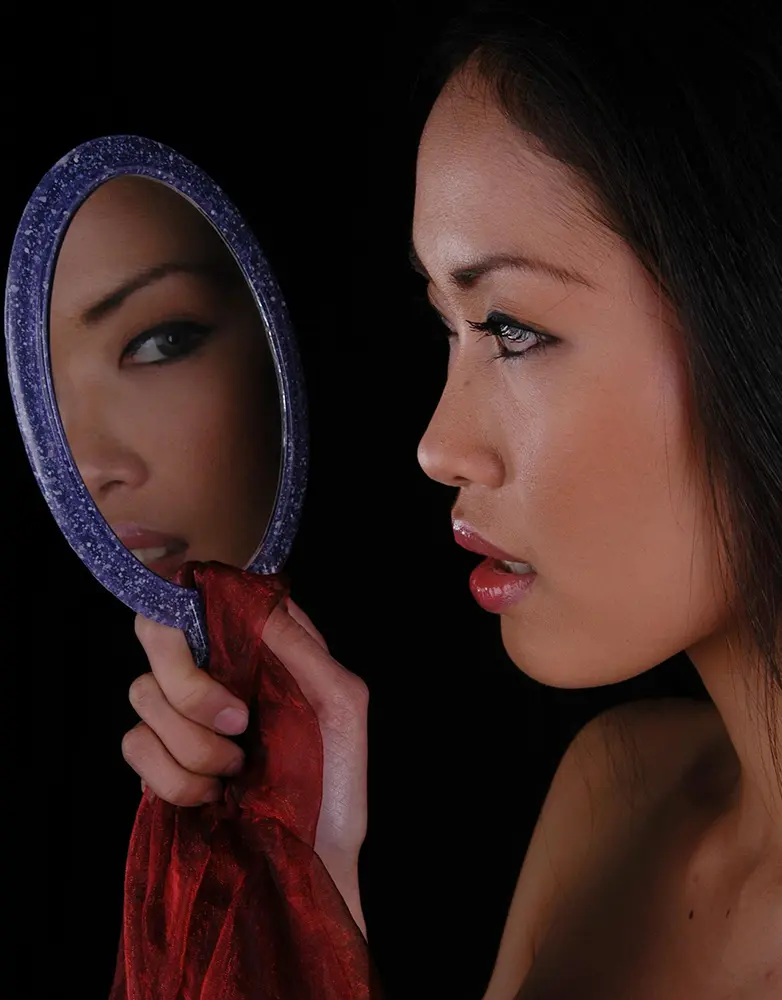
Have you ever looked in the mirror after a big change and wondered if you made the right choice? That moment of doubt is common after surgery, especially for women in cities like New York, where the demand for cosmetic improvements continues to grow.
Many expect an instant shift, but what shows up in the first few weeks can feel unsettling. Firmness, puffiness, and uneven sides are normal in the beginning, yet they often raise questions.
The truth is, what you see at first is never the final outcome. Recovery takes time, and your body follows its own pace. In this guide, we’ll explore why early results can feel misleading, how the body gradually reshapes itself, and what kind of timeline you can realistically expect.
By understanding each stage, you’ll feel more confident as your natural look emerges.
1. The Reality of Healing After Surgery
Healing doesn’t reveal itself overnight. The body needs time to adjust.
- Swelling hides the natural contour in the first phase.
- Bruising can tint skin and make things look worse.
- Tightness creates an unnatural shape for a while.
- Uneven sides are common as tissues adjust.
- Puffiness makes balance hard to judge early on.
- Every stage is temporary and improves with time.
These early shifts can be unsettling, but they are not signs of failure. The body responds to surgery in its own unique way, and each change is part of a larger, ongoing process. Knowing what to expect makes the journey much easier.
2. Why Results May Look “Off” at First
Many women worry in the first weeks, but early changes are only temporary.
- The chest may sit higher before it relaxes downward.
- Skin and tissues loosen over several weeks.
- Asymmetry is common and fades in time.
In fact, many experts of breast lift in New York City explain that this “high and tight” look is just a phase. One such specialist, Joshua B. Hyman, MD, notes that as swelling decreases and tissues relax, breasts gradually soften and move into a more natural position. Such patient-focused care highlights how a lift can restore shape and balance without looking artificial. By combining medical precision with an eye for aesthetics, Dr. Hyman helps women reach results that feel both natural and long-lasting.
It can feel worrying to see differences so soon after surgery, but patience is the key. The early stage is only temporary, and the long-term outcome is usually far more natural and balanced.
3. The “Drop and Fluff” Process
Surgeons often describe the settling stage as “drop and fluff.”
- Skin feels snug, then gradually eases.
- Small puckers around lines are normal.
- Breasts soften as puffiness leaves the body.
- Scars look raised before fading over months.
- Sensation shifts, then settles later.
- The final contour shows only after months of recovery.
This stage can feel slow, but it is a turning point. As the body adapts, the overall look becomes softer and closer to the final goal. Each week brings small but noticeable progress.
4. Healing Timeline
Recovery unfolds in stages, and each one looks different.
| Phase | What Happens | What To Expect |
| Weeks 1–2 | Peak puffiness and bruising | Rest and follow directions |
| Weeks 3–6 | Snug feeling eases | The shape begins to look calmer |
| Months 2–3 | Noticeable softening and balance | More natural contour shows |
| Months 4–6 | Ongoing “drop and fluff” | Clothing fit improves |
| Months 6–12 | Scars fade and texture refines | Assess long-term outcome |
| After 12 months | Breasts fully settled | Stable, lasting results |
This chart shows how progress happens step by step. Each stage has its own challenges, but also its own rewards. Looking at healing as a timeline rather than a single moment helps manage expectations.
5. Emotional Side of the Journey
Healing is physical, but emotions play a significant role as well.
- Doubt is common when results seem unusual.
- Anxiety rises when one side looks different.
- Surgeons provide support during checkups.
Recovery also tests patience. Many women describe the early weeks as an “emotional rollercoaster.” Seeing unevenness or firmness can create unnecessary fear. Keeping a diary or taking weekly photos can help reveal progress that feels invisible day to day. Surrounding yourself with supportive voices rather than critics also makes a huge difference. Emotional wellness is as vital as scar care when it comes to overall satisfaction.
Conclusion
The first glimpse after surgery can be confusing, even unsettling. Firmness, puffiness, and uneven shape are only part of the body’s normal reaction. With time, tissues soften, scars fade, and balance improves. Recovery is never instant — it unfolds in stages that require care and patience. Following guidance, protecting your health, and keeping realistic expectations will make the process easier. In the end, the reward is a natural contour that restores comfort, builds confidence, and lasts for years to come.