
Modern wellness is increasingly focused on systems rather than isolated symptoms. Instead of treating issues like joint discomfort or respiratory irritation separately, current approaches look at how different parts of the body interact, especially through mechanisms like inflammation and microbiome balance.

This shift is particularly relevant for individuals dealing with mobility challenges or chronic conditions such as osteoarthritis, where long-term management depends on consistent support rather than short-term fixes. Combining internal health strategies with physical support tools creates a more stable and effective approach to maintaining function and comfort.
Why Gut Health Is Being Linked to Whole-Body Function
The gut is no longer viewed as a system limited to digestion. Research continues to show that it plays a role in immune regulation, inflammation, and even respiratory function.
Products like Resbiotic are built around this concept, focusing on the gut-lung and gut-joint connection through combinations of probiotics, prebiotics, and postbiotics. These formulations aim to influence how the body responds to inflammation and stress at a systemic level.
Clinical observations suggest that microbiome balance can affect areas beyond digestion, including lung function and immune response, highlighting how interconnected these systems are.
This broader perspective is changing how individuals approach long-term health management.
Understanding Osteoarthritis as a Systemic Condition
Osteoarthritis is often thought of as a localized joint issue, but it is closely linked to systemic inflammation and metabolic factors.
Studies show that inflammation driven by factors such as obesity and metabolic imbalance can accelerate joint degeneration, particularly in weight-bearing areas like the knees.
This means that managing osteoarthritis effectively involves more than just addressing joint pain. It requires a combination of internal support, such as reducing inflammation, and external strategies that protect and stabilize the joint during movement.
Recognizing osteoarthritis as part of a larger system helps explain why single-solution approaches are often insufficient.
Mechanical Support: Why Knee Stability Changes Daily Function
While internal health plays a role, physical support remains critical for maintaining mobility. Joint instability, especially in the knee, can lead to altered movement patterns, increased strain, and further degeneration over time.
Many individuals managing these issues use solutions like knee brace for osteoarthritis, which are designed to redistribute pressure across the joint and improve alignment during movement.
By stabilizing the knee, these braces reduce excessive load on damaged areas, allowing for more controlled motion and less discomfort during everyday activities such as walking or standing.
How Load Distribution Affects Joint Degeneration
One of the key factors in osteoarthritis progression is uneven load distribution across the joint. When certain areas of the knee absorb more pressure than others, cartilage breakdown accelerates.
Knee braces are engineered to address this imbalance by shifting weight away from affected compartments, which can slow the rate of degeneration and improve functional movement.
This mechanical adjustment does not cure the condition, but it directly influences how stress is applied to the joint, making daily activity more manageable and reducing cumulative damage.
The Role of Consistent Use in Physical Support Tools
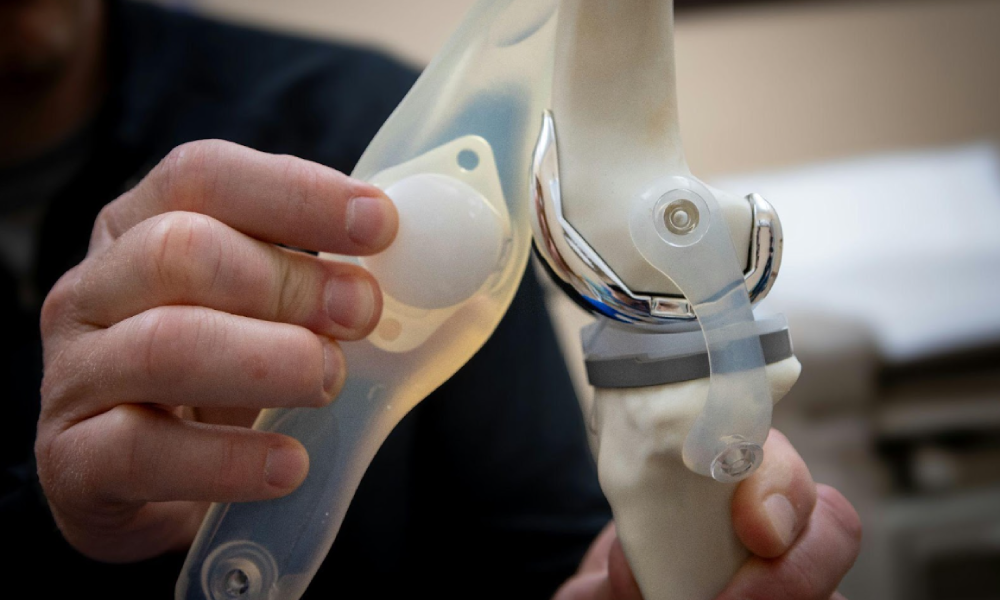
The effectiveness of supportive devices depends heavily on consistency rather than occasional use.
Wearing a brace only during periods of severe discomfort provides limited benefit because joint stress occurs continuously throughout daily movement. Regular use ensures that the joint remains supported during both high-impact and low-impact activities.
This consistency reduces micro-strain over time, which is one of the main contributors to long-term deterioration in osteoarthritis.
Integrating Internal and External Support Systems
Combining internal approaches, such as microbiome support, with external tools like braces creates a more comprehensive system for managing joint health.
Internal strategies aim to reduce inflammation and improve systemic balance, while external supports address mechanical stress directly.
When used together, these methods reinforce each other, providing both immediate relief and long-term structural support. This integrated approach reflects a shift away from isolated treatments toward coordinated care strategies.
Medical Perspective on Long-Term Joint Management
Long-term management of joint conditions focuses on slowing progression and maintaining function rather than achieving a complete cure.
According to the National Institutes of Health, osteoarthritis involves progressive cartilage breakdown and requires ongoing management strategies that address both symptoms and contributing factors.
This includes maintaining joint stability, reducing inflammation, and supporting overall physical health through consistent routines.
Why System-Based Wellness Outperforms Isolated Solutions
Approaches that focus on a single factor, whether it is supplementation or mechanical support, often produce limited results because they do not address the full scope of the condition.
System-based wellness strategies recognize that the body operates through interconnected processes. Joint health is influenced by inflammation, movement patterns, muscle strength, and metabolic factors.
Addressing multiple components simultaneously creates a more stable outcome, improving both short-term comfort and long-term functionality.
Building a Sustainable Routine for Mobility and Health
Sustainable health outcomes depend on routines that can be maintained over time without excessive effort.
Incorporating microbiome-focused supplements, using supportive devices consistently, and maintaining regular movement patterns creates a system that supports both joint integrity and overall wellbeing.
This type of routine reduces variability, making it easier to manage chronic conditions while maintaining independence and quality of life.
- About the Author
- Latest Posts

Our Editorial Team are writers and experts in their field. Their views and opinions may not always be the views of Wellbeing Magazine. If you are under the direction of medical supervision please speak to your doctor or therapist before following the advice and recommendations in these articles.