
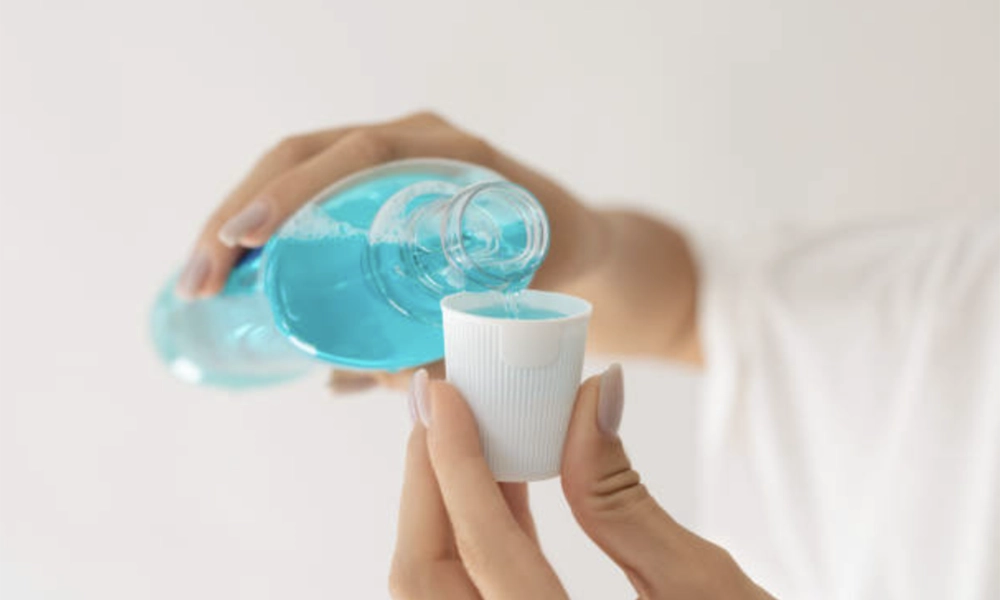
If you’re dealing with a throbbing tooth infection, you might wonder if the Listerine mouthwash sitting in your bathroom could be the solution.
While Listerine is a powerful antiseptic, it’s important to understand the limitations of this popular mouthwash and when professional dental treatment is necessary.
In this article, we’ll dive into whether Listerine for tooth infection is effective, what it can actually do, and why you shouldn’t rely solely on mouthwash for serious dental issues.
Is Listerine Good for Tooth Infections?
What Listerine Can Do for Your Oral Health
Listerine mouthwash is a well-known antiseptic used to combat germs, reduce plaque, and freshen breath. It contains several active ingredients, such as thymol, eucalyptol, and menthol, which help kill surface bacteria in your mouth.
While Listerine can help with tooth infection symptoms, such as gum inflammation and controlling bacteria on the surface of your teeth, it cannot cure a full-fledged infection deep within the tooth.
Listerine Helps:
- Reduce surface bacteria in the mouth
- Decrease gum inflammation
- Control plaque buildup
- Provide temporary relief from discomfort
However, it’s important to note that Listerine’s antiseptic properties only target bacteria on the surface.
A tooth infection typically affects the inner layers of the tooth, where mouthwash cannot reach. So, while Listerine for tooth infection might reduce some bacteria, it will not resolve the underlying infection.
Does Listerine Help with Tooth Infections?
Listerine may offer temporary relief by soothing the gums and decreasing surface bacteria, but it won’t address the root cause of a tooth infection. If you have a tooth infection, relying on Listerine alone could delay proper treatment and worsen your condition.
When Listerine Can Be Useful:
- Use it for oral hygiene maintenance to control bacteria
- Reduce gum irritation if you have mild inflammation
- Help control bad breath caused by an infection
While Listerine is effective in everyday oral care, it is not a substitute for professional dental treatment. If you’re dealing with a serious infection, only a dentist can treat the condition properly.
Can Listerine Kill a Tooth Infection?
The answer is no. Listerine cannot kill a tooth infection that has penetrated deep into the tooth structure.
Infections like these often reside inside the tooth or gums, areas where mouthwash simply cannot reach.
Listerine for tooth infection might reduce surface bacteria temporarily, but it will not cure the infection itself.
What to Do If You Have a Tooth Infection
To properly treat a tooth infection, you will need professional dental intervention. Some common treatment options include:
- Root canal therapy to remove the infected pulp and seal the tooth
- Abscess drainage to release pus and reduce swelling
- Antibiotic treatments to control the infection
- Tooth extraction if the tooth cannot be saved
If you experience severe tooth pain, facial swelling, fever, or a bad taste in your mouth, you should seek immediate dental care.
These symptoms indicate the infection is likely serious and requires a dentist’s expertise.
Prevention and Maintenance: The Role of Listerine in Your Oral Care Routine
While Listerine won’t cure a tooth infection, it can play a crucial role in preventing future infections by keeping your mouth clean. Follow these steps for proper oral care:
- Brush and floss daily to remove plaque and food particles.
- Use Listerine mouthwash after brushing and flossing to kill surface bacteria.
- Rinse for 30 seconds with mouthwash, twice daily, and avoid eating or drinking for 30 minutes after use.
- Choose alcohol-free versions of Listerine if you have sensitive gums.
By incorporating Listerine into a regular oral hygiene routine, you can prevent bacterial buildup and support your overall dental health.
Trust Qualified Family Dentistry
If you’re dealing with a tooth infection or need professional dental care, trust Wayzata Dental in Minnesota for all your oral health needs.
Our experienced team can provide the treatment and guidance you need to get your smile back to health.
- About the Author
- Latest Posts

Our Editorial Team are writers and experts in their field. Their views and opinions may not always be the views of Wellbeing Magazine. If you are under the direction of medical supervision please speak to your doctor or therapist before following the advice and recommendations in these articles.