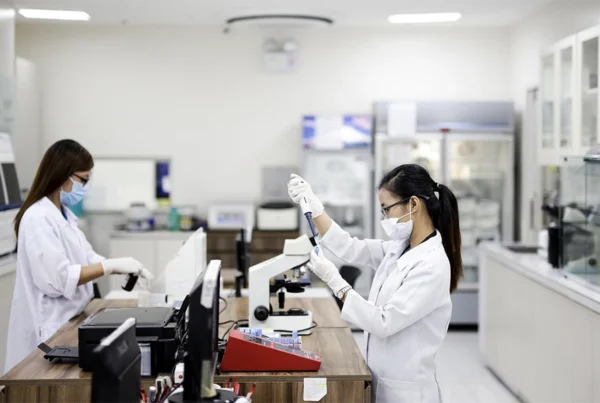
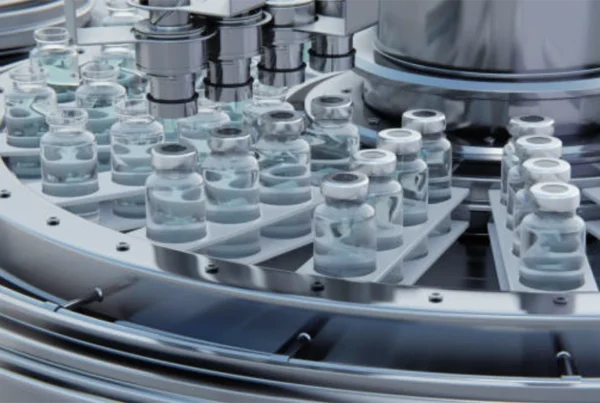
In modern workplaces, comfort and productivity depend heavily on the air employees breathe. Indoor Air Quality (IAQ) refers to the cleanliness and health of the air inside a building, which directly affects well-being and performance. Offices often contain invisible pollutants that can cause fatigue, respiratory problems, or headaches. Unfortunately, poor IAQ is a common issue due to factors such as inadequate ventilation, chemical emissions, and overcrowding. Understanding what impacts IAQ helps businesses create safer, more productive environments.
What Affects Indoor Air Quality
Ventilation and Airflow
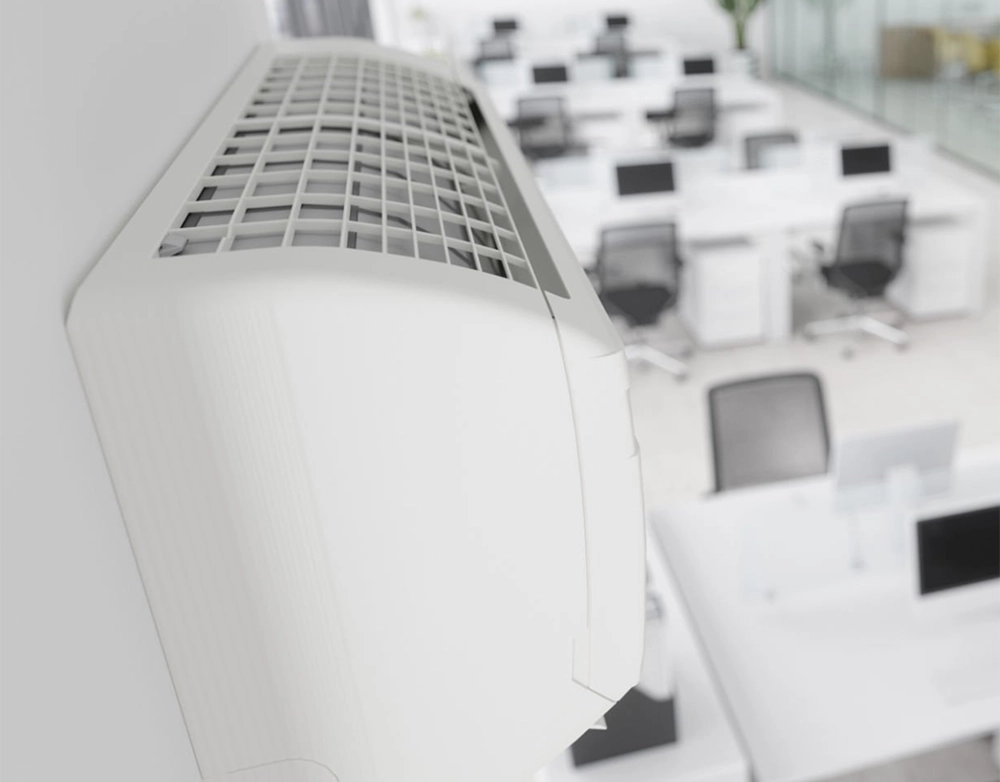
Ventilation is one of the most important aspects of indoor air quality. Without sufficient airflow, carbon dioxide, dust, and volatile organic compounds (VOCs) can build up quickly. This buildup leads to a stuffy feeling, fatigue, and reduced concentration. A well-maintained HVAC system that brings in outdoor air helps control pollutant levels effectively. Regular inspection and filter replacement are essential to ensure fresh, clean air circulation throughout the office.
Building Materials and Furniture
Many building materials and furnishings in offices release harmful gases over time. Carpets, adhesives, paints, and furniture often emit VOCs and formaldehyde, which can irritate eyes and airways. Exposure to these chemicals may also cause long-term health effects if not properly managed. Choosing low-emission paints, finishes, and furniture helps reduce chemical exposure significantly. Creating a healthier workplace begins with selecting eco-friendly, non-toxic building materials.
Cleaning Products and Office Equipment
Cleaning products and office equipment also play a significant role in indoor air quality. Some cleaners release chemical fumes that can cause irritation or headaches. Likewise, printers and copiers emit ozone and fine particles that accumulate in enclosed spaces. Using environmentally friendly cleaning agents and maintaining ventilation in printing areas minimizes these pollutants. A proactive cleaning and maintenance routine keeps the air fresher and safer for all occupants.
Common Pollutants Found in Offices
Carbon Dioxide (CO₂)
Carbon dioxide levels naturally rise as people exhale, especially in crowded offices. When CO₂ builds up, employees may experience fatigue, drowsiness, and reduced mental sharpness. These symptoms can quickly lower concentration and overall work efficiency. Maintaining proper ventilation ensures that fresh air continuously replaces stale indoor air. Balanced CO₂ levels promote alertness and a more productive work atmosphere.
Volatile Organic Compounds (VOCs)
VOCs are gases released from everyday materials like paints, adhesives, and cleaning products. Short-term exposure may cause headaches, dizziness, or irritation of the eyes and throat. Prolonged exposure can contribute to chronic respiratory problems or allergic reactions. Reducing VOC sources is one of the easiest ways to create a safer workspace and improve air circulation. Installing high-quality MERV air filters further helps capture airborne VOC particles, enhancing overall indoor air quality.
Particulate Matter and Biological Contaminants
Dust, mold spores, and fine particles known as PM2.5 and PM10 can circulate through air systems. These particles can enter the lungs and trigger asthma or allergic reactions in sensitive individuals—biological contaminants like bacteria and viruses also spread quickly in shared environments. Proper filtration and humidity control can significantly reduce these airborne risks. Routine cleaning and air monitoring keep harmful contaminants under control.
Why It Matters
Health and Comfort
The quality of the air we breathe directly affects comfort and health in the substandard air quality frequently contributes to eye strain, throat, and skin discomfort, as well as frequent headaches. Over time, it may contribute to severe conditions such as asthma or chronic bronchitis. Clean, well-ventilated air supports better breathing and overall wellness. Prioritizing air quality leads to healthier, more satisfied employees.
Productivity and Focus
Good air quality is proven to enhance mental clarity and cognitive function. Research shows that employees exposed to fresh, clean air make better decisions and maintain higher focus levels. Conversely, high pollutant or CO₂ levels cause sluggishness and poor concentration. A well-ventilated office environment encourages sharper thinking and consistent energy. When people feel comfortable, they naturally perform at their best.
Attendance and Morale
Indoor air quality also impacts employee attendance and morale. Workers exposed to pollutants or poor ventilation often experience more frequent illnesses. As a result, absenteeism rates rise, and team productivity declines. Clean air supports physical health and mental well-being, reducing stress in the workplace. A healthy, comfortable environment improves morale and fosters long-term job satisfaction.
How to Improve Indoor Air Quality
Maintain and Upgrade Ventilation Systems
Adequate ventilation begins with a reliable HVAC system. Regular maintenance ensures that air flows freely and filters stay clean. Technicians should inspect systems periodically to remove dust and prevent mold buildup. Innovative ventilation systems can even adjust airflow automatically based on room occupancy. A consistent maintenance schedule prevents pollutant buildup and supports continuous air circulation.
Use MERV Filters and Low-VOC Materials
High-quality MERV filters are designed to trap fine particles and allergens before they enter occupied areas. Filters rated MERV 13 or higher capture a wide range of airborne pollutants, improving air cleanliness. Pairing these filters with low-VOC materials further reduces exposure to harmful chemicals. Together, these solutions create a balanced and efficient air purification strategy. Cleaner air leads to fewer health complaints and improved productivity across the office.
Monitor and Enhance the Office Environment
Monitoring air quality helps identify problems before they become serious. Installing IAQ sensors tracks CO₂, humidity, and temperature levels in real time. Adding indoor plants can also contribute to fresher, more natural air. Adopting green cleaning products minimizes chemical exposure during daily maintenance. Continuous monitoring ensures that offices remain healthy, sustainable, and comfortable year-round.
The Business Case for Clean Air
Boosted Employee Performance
Clean air contributes directly to improved employee performance. Studies show that workers in well-ventilated environments think faster and solve problems more effectively. Fresh air helps reduce fatigue and maintain consistent mental energy. This improvement translates into measurable gains in efficiency and quality of work. Investing in IAQ is therefore an investment in higher productivity and business success.
Improved Retention and Satisfaction
Employees notice when their workplace supports their well-being. Comfortable air conditions promote better moods and reduce overall stress. When workers feel valued and safe, they are more likely to stay with their employer. This leads to stronger teams and lower turnover rates across departments. Prioritizing air quality enhances both morale and company culture in meaningful ways.
Sustainability and Compliance
Focusing on IAQ also supports sustainability and regulatory compliance. Businesses that implement air quality improvements align with LEED and WELL building standards. These certifications promote eco-friendly practices and employee wellness. In addition to compliance, clean-air initiatives enhance a company’s reputation for responsibility. Investing in sustainable air systems benefits both people and the planet.
Conclusion: Prioritize Health Through Clean Air
Creating a healthy workplace starts with the air employees breathe each day. Improving ventilation, upgrading to MERV furnace air filters, and minimizing chemical emissions all make a measurable difference. A clean indoor environment supports well-being, focus, and long-term health for every employee. Indoor air quality should never be an afterthought in workplace design or maintenance.
- About the Author
- Latest Posts

Our Editorial Team are writers and experts in their field. Their views and opinions may not always be the views of Wellbeing Magazine. If you are under the direction of medical supervision please speak to your doctor or therapist before following the advice and recommendations in these articles.