Core Stability for Everyday Strength
Core stability goes beyond six-pack abs. It supports posture, balance, and power in everyday tasks. Learn how to build real-world core strength for…
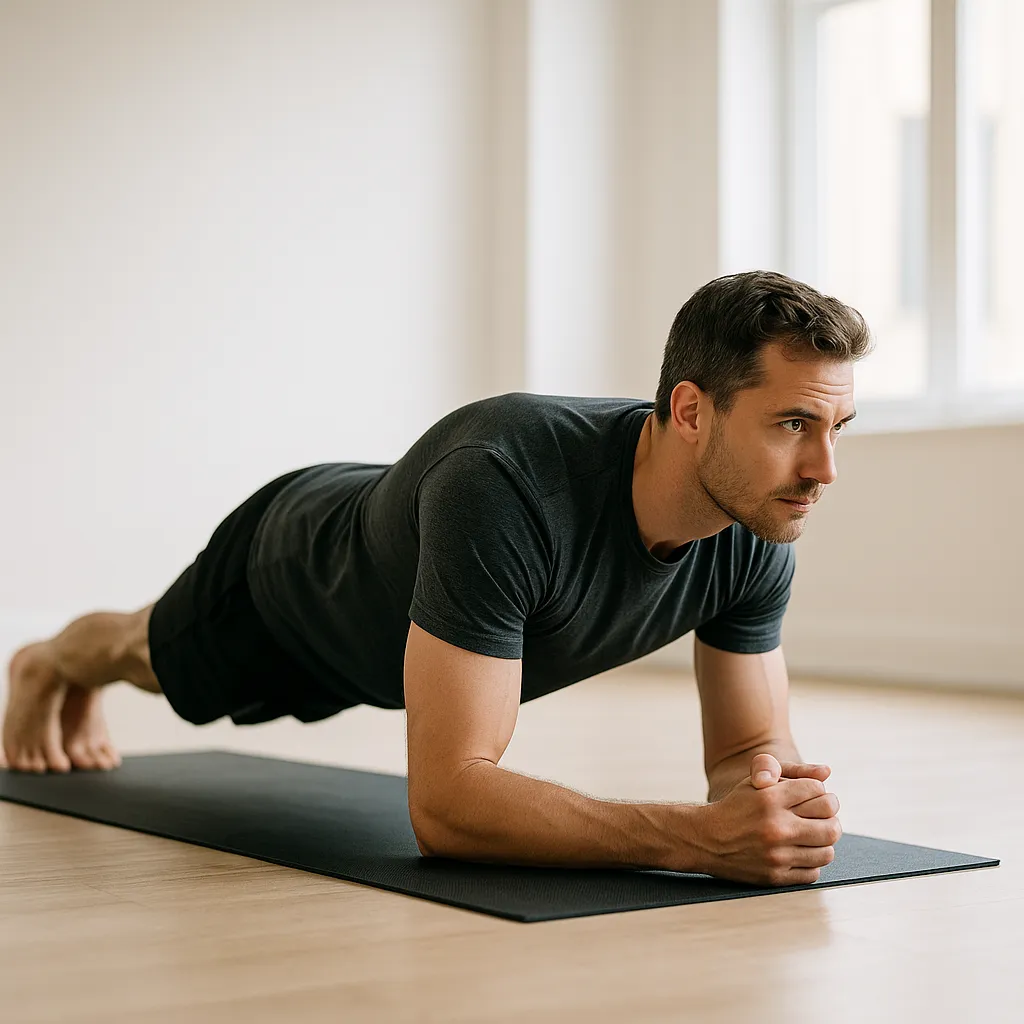
When most people think about training the core, they imagine sit-ups or crunches aiming for a visible six-pack. But the truth is, core stability is far more important for functional strength and everyday performance.
The core isn't just about aesthetics — it’s your body's powerhouse. A strong, stable core helps you stand, sit, lift, rotate, and move through life with confidence and control.
What Is Core Stability?
Core stability is the ability to control the position and movement of the trunk. This includes deeper muscles like the transverse abdominis, multifidus, and pelvic floor, not just the superficial rectus abdominis.
"Real strength starts from the inside out." — Wellbeing Magazine
A stable core helps maintain spinal alignment, reduces injury risk, and improves efficiency in both workouts and daily tasks.
Why It Matters in Daily Life
- Lifting groceries or children becomes safer and more efficient.
- Standing or sitting for long periods becomes less fatiguing.
- Twisting to look behind or reach across the car feels smoother.
- Running, walking, climbing stairs — all are powered through the core.
Best Practices for Building Core Stability
- Train Anti-Movement
Exercises like planks, dead bugs, bird dogs, and pallof presses teach the core to resist motion — a key element in real-world strength. - Focus on Alignment
Core work is only effective if posture and spinal neutrality are maintained. - Prioritise Breath and Bracing
Learn to coordinate breath with tension — inhale to expand, exhale to brace. - Progress Wisely
Move from static holds to dynamic challenges like carries, rotational work, and balance drills. - Include Core Work Often
Aim for 2–3 focused sessions per week, or integrate it into warm-ups and cool-downs.
Movement to Try Today
Dead Bug — Lie on your back, knees bent at 90 degrees, arms reaching to the ceiling. Slowly lower one arm and the opposite leg, keeping your lower back flat. Return and repeat.
For more body-smart training tips and posture support, explore the Body section of Wellbeing Magazine.
Filed underBack pain, Injury & recovery, Cosmetic & aesthetics, Fitness & movement, Family & parenting
About the author
Richard BransonCo Founder
Richard Branson is a fitness and wellbeing enthusiast with a passion for HYROX, cycling, and technology. He shares insights at the intersection of performance, wellbeing, and innovation.