When a public figure like comedian Katherine Ryan (42) chooses to talk about having cosmetic surgery it inevitably sparks strong opinions and the fact she chose to have a facelift eight weeks after giving birth has tongues wagging even more fiercely than usual.
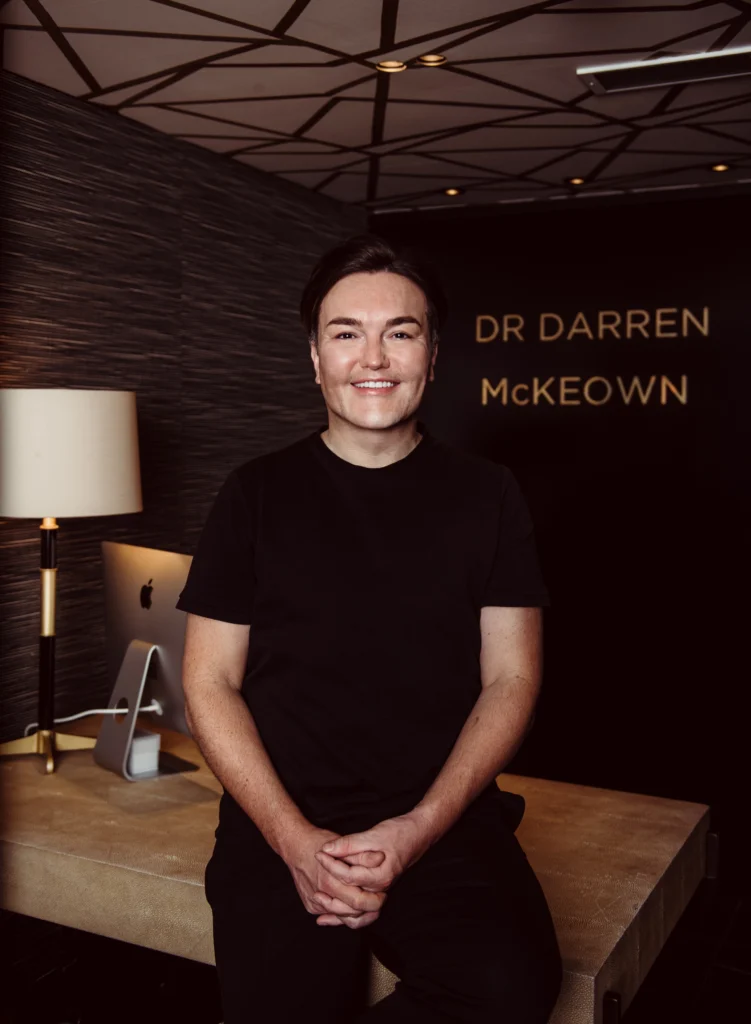
McKeown Medical is one of Britain’s leading doctor-led aesthetic clinics, founded by Dr Darren McKeown. The clinic focuses on facial and body surgery, aesthetic treatments, and advanced skin and laser procedures.
Every treatment is delivered by experienced medical professionals, with care tailored to you. The focus is simple: natural-looking results, achieved through clinical expertise, precision, and a personalised approach. IN this article he shares professional insights.
My own view is quite simple: no one should judge an individual woman’s decision about her own body. Every person’s circumstances are different. If having surgery at that time felt right for Katherine, it is entirely her choice and she deserves autonomy and respect.
But separate from her story, there’s a broader conversation worth having about the timing of cosmetic surgery.
Cosmetic procedures are serious, no matter how casually they’re portrayed on social media. Recovery is physically painful, emotionally unpredictable and often harder than patients expect. I tell every patient that there may be a point where they regret doing it — and possibly even resent me. That emotional dip is common. Not everyone experiences it, but many do. Preparing patients for that reality is part of responsible consent.
As a doctor who cares for facelift patients every week at McKeown Medical, I think it’s important we talk honestly about what recovery really involves.
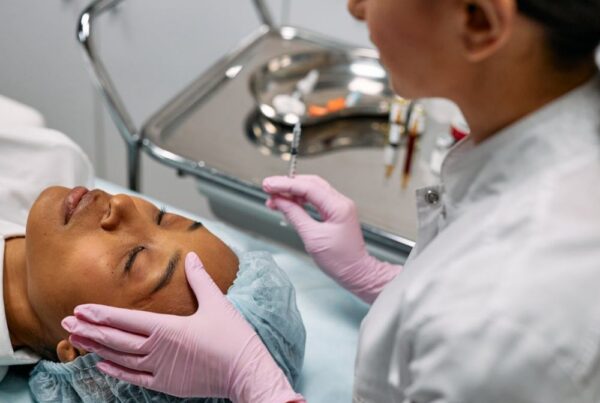
A modern facelift isn’t a “lunchtime tweak.” It’s major surgery. Sure. Techniques have improved considerably. We’ve optimised healing for patients. But it is still major surgery with a long and emotional recovery and many patients go through a period of “post-op blues”.
Even with the most advanced techniques, recovery takes time. Patients should expect swelling, bruising, tightness and fatigue for weeks. Social downtime is typically at least two to three weeks, and residual swelling can take months to settle. Numbness and firmness gradually improve, with subtle changes continuing to evolve for 6–12 months before the final result becomes clear. The physical timeline is widely discussed. What’s often underestimated is the emotional weight of that process.
You look different every day in the early weeks. Swelling distorts your features before things improve. You can feel vulnerable and self-conscious. Even very confident people sometimes experience a wobble while their appearance transitions. That’s completely normal — but it does take emotional bandwidth.
Now contrast that with early parenthood.
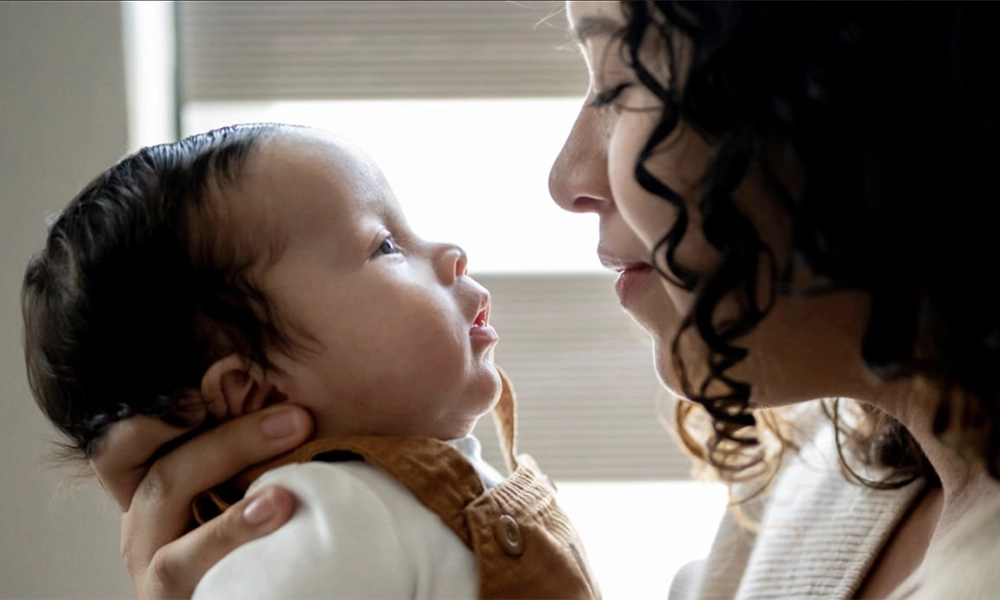
Those first weeks with a newborn are beautiful, but they are also exhausting. Sleep deprivation and the emotional adjustment of caring for a new baby are tough. I know eight weeks after the birth of my babies my head was still a mess, and I didn’t have to deal with the aftermath of having carried the baby myself and all of the physical and hormonal changes that involves.
Putting those two recoveries together — major surgery and early parenthood — is a lot to ask of any human being.
From a purely medical perspective, we also know that pregnancy and the postpartum period involve hormonal shifts, fluid retention, and tissue changes. I think that most surgeons would recommend allowing more time for the body to heal and for our patients to recovery emotionally before embarking on another big challenge like a facelift.
I would advise new mothers to be kind to themselves and wait until life feels a little calmer — when sleep is more consistent, routines are established, and they can truly ask themselves if this is really what they want to do.
Inevitably during pregnancy there are a number of changes that happen to a woman’s body that impact how they feel about themselves and their sense of identity. In that heightened emotional state, is that really the best time to be making major decisions about having a facelift?
Aesthetic surgery should feel empowering and I will always advocate for every woman’s right to autonomy. I don’t think we should ever judge or criticise a woman for choices she makes about her own body and that is not the purpose of what I am saying. My concern is that we are seeing a progressive trivialisation of major surgery like facelifts and tummy tucks across the media and I know from working on the front line these are not trivial procedures.
My best piece of advice for new mothers thinking about cosmetic surgery is to be kind to yourself. Looking after a new baby is a full-time job. Recovering from a facelift is another. Very few of us should take on both at once.
Learn more at McKeown Medical.