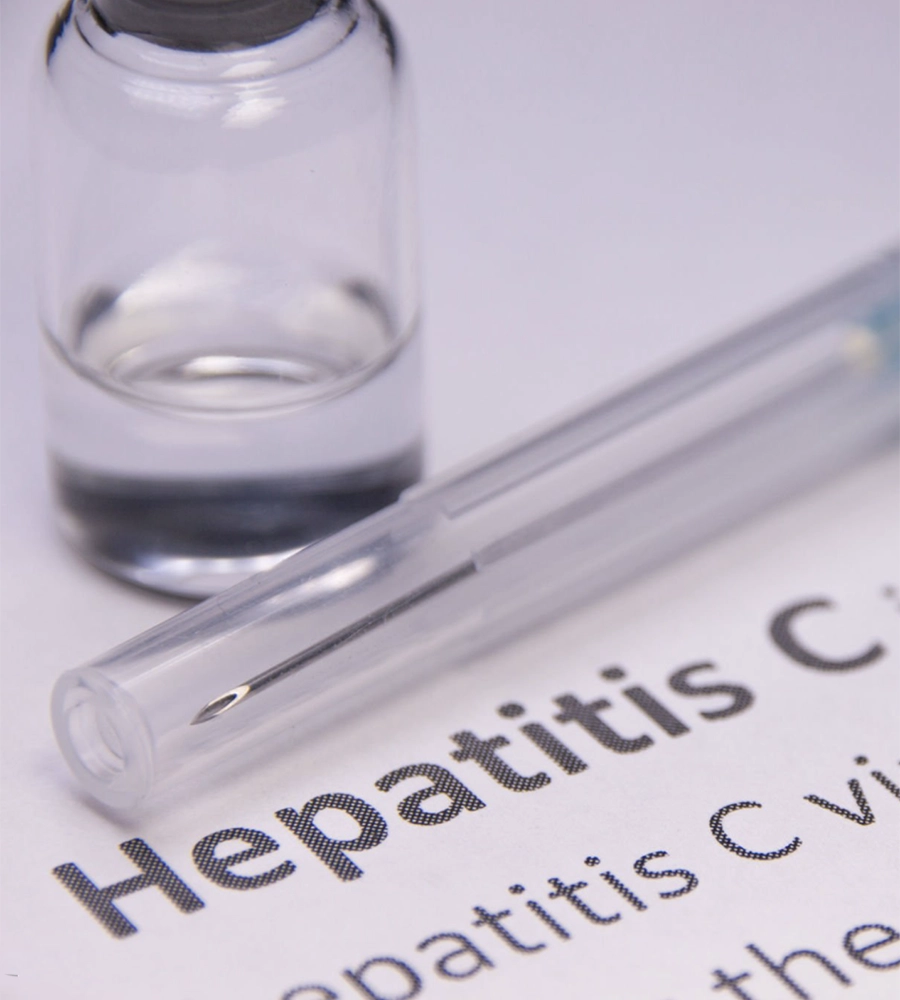
Hepatitis C is no longer considered life threatening; severe medical inventions of antiviral therapies have enabled their treatment and have made them curable.
What used to be a deadly chronic disease full of uncertainty is now often cured entirely with a simple 12-week regimen of oral pills. This change not only marks a major scientific advancement but also a success in the global public health scenario.
How Science Changed the Treatment Process
Previously, sufferers of Hepatitis C had to go through long and difficult treatment processes that included receiving injections of interferon therapy.
This method is often laden with numerous undesirable side effects and has a low chance of being effective. This all underwent a paradigm shift with the emergence of direct-acting antivirals, or DAAs.
Antiviral Breakthrough
Today, direct-acting antiviral medicines are extra hail to the king because they eliminate the need for simpler immune system focused treatments. They do not rely on stimulating the immune system. Rather, these medicines are much safer and faster in achieving optimal results.
Most patients now can fully eradicate the virus with only partial interruption to their day to day activities.
Treatment Options for Hepatitis C
Picking the correct medicine is essential in the recovery phase. Treatment choices are variable with the patient’s genotype, liver condition, co-infections, previous treatments undertaken, and history of drug intake. Thankfully, there are some effective hepatitis c medicine options and therapies with proven results.
Mentioned below are some of the prominent treatment options:
Sfososbuvir & Velpatasvir: This is a combination therapy which works on all strains of Hepatitis C and can be taken once a day. This is one of the most prescribed medicines because of its high success rates along with minimal side effects. If you are looking to buy Sofosbuvir and Velpatasvir online you can save a lot compared to your local pharmacies.
Ledipasvir & Sofobuvir (Harvoni): This is mainly for patients with genotype 1, and it was among the first combinations that could be used for all genotypes.
Glecaprevir & Pibrentasvir (Mavyret): It is famous for covering multiple genotypes. Some patients are also well known to have the shortest treatment time of 8 weeks.
Elbasvir & Grazoprevir (Zepatier): These are mostly prescribed for patients with 1 and 4 genotypes who often have other chronic illnesses.
Daclatasvir & Sofosbuvir: These are medicines that low and middle income countries are more familiar with, and these medicines are known to be popular in other regions too.
The medications above have been proven useful worldwide and helped doctors enhance their strategies in dealing with patients irrespective of the previous treatments done or the extent of the damage to the liver.
Global Availability and Reducing Costs
Access and affordability for treatment were some of the biggest challenges in these therapies. The emergence of generic licensing provides hope to millions with Hepatitis C as it allows countries such as India, Egypt, and Bangladesh to produce quality-assured generics which are accessible at a fraction of the cost.
Inclusive Access
With no one being left behind due to costs or geographic location, pharmaceutical companies and global health organizations have started working towards the integration of subsidized and streamlined access for patients.
In recent years, health ministries have begun to incorporate Hepatitis C care into the national integrated health services packages.
A Different World of Ease and Achievement
Envision taking a pill every day that gets rid of a deadly virus in three months. That is the reality for millions today. Therapy treatments are given as pills, have no injections involved, and are usually free of side effects. Success rates are now over 95% in many difficult to treat populations.
People of any age, newly diagnosed or long-term virus carriers, have an easier and simpler journey toward full recovery.
Actual Individuals, Actual Recovery
Testimonies of people who have conquered the disease demonstrate progress more than any lab or clinical data ever could. Young working adults and elderly citizens, even high-risk groups like drug users or imprisoned individuals, are now sharing stories of complete recovery.
These accounts are HEADLINE don’t just provide inspiration they confirm that when provided with adequate air devices, the medical system works for all.
When Should Therapy Commence?
All experts seem to agree: Treatment sooner leads to better results. The removal of the virus in patients even without scarring of the liver and symptoms associated with it helps prevent risks of developing cirrhosis or cancer of the liver in the future.
Patients with a history of blood transfusion before 1992, IV drug users, and patients infected with HIV are now considered for routine screening due to these co-morbidities. Timely treatment after diagnosis offers the best chance for a longer quality life.
Life after Treatment Experience: Moving Ahead
Elimination of the virus gives freedom from the disease on receiving appropriate treatment. With post-treatment care, liver functions and one’s well-being improves alongside providing relief on a holistic level.
But these habits aside need management to avoid future damage to the liver:
- Limit alcoholic consumption
- Keep obesity in check
- Avoid medication that stresses the liver
- Receive vaccination for Hepatitis A and B
- Adhere to routine liver screening, more so if there is a history of liver damage
Medical recovery is just one dimension of healing since one is equally required to emotionally and socially assist the individual. Support groups along with mental health professionals provide assistance to caregivers reducing stress which is helpful.
The Worldwide Goal to Get Rid of Hepatitis C
The World Health Organization has set a target to eliminate Hepatitis C as a public health issue by the year 2030. This is not impossible. Some countries have already achieved remarkable success with awareness campaigns, mass screening along with subsidized treatment programs.
Health systems can save millions of lives with focused early diagnosis, swift intervention, continuous treatment, and regular follow-ups. Achieving this goal requires everyone in the public and private health sectors, drug manufacturers, and the communities themselves.
- About the Author
- Latest Posts

Our Editorial Team are writers and experts in their field. Their views and opinions may not always be the views of Wellbeing Magazine. If you are under the direction of medical supervision please speak to your doctor or therapist before following the advice and recommendations in these articles.