Creating a Home That Supports Safety Comfort and Health
Creating a living environment that prioritizes your well-being changes how you experience every day. Small choices in design or regular maintenance affect…
Creating a living environment that prioritizes your well-being changes how you experience every day. Small choices in design or regular maintenance affect your physical and mental health for a long time.
Your house is more than just a place to store your belongings. It functions as a foundation for your comfort and security as you go about your life.
Planning Your Domestic Layout
How you arrange your furniture and walking paths determines how easily you move between rooms throughout the day. Professional roof repair experts suggest checking for leaks before they ruin interior walls or flooring. Staying ahead of these issues keeps your living area dry and physically stable for years.
Clear walking paths help prevent accidents when you are in a rush. Wide hallways allow for better movement for people of all ages and mobility levels.
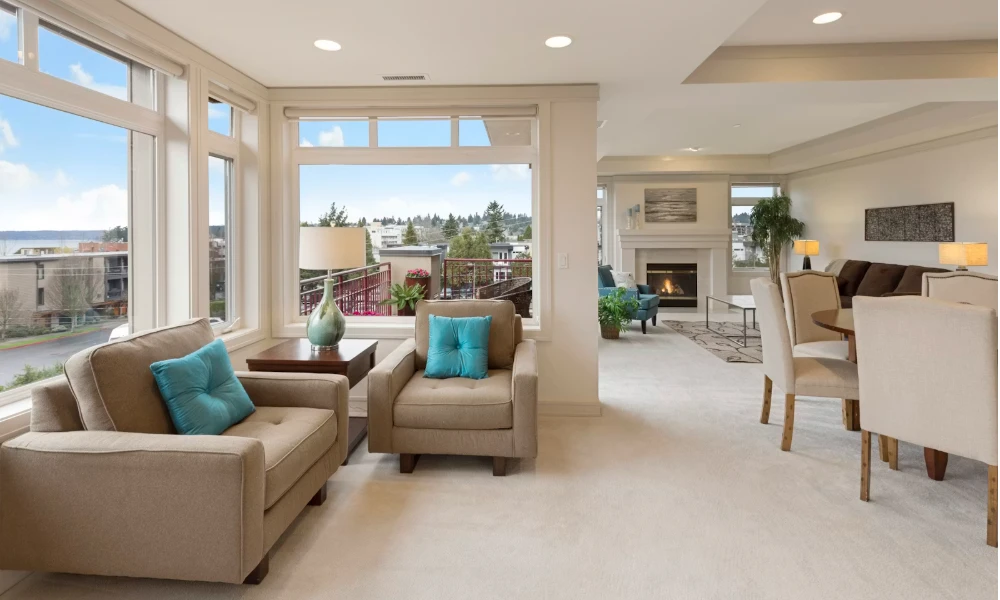
Furniture placement influences both the style and the function of a room. Grouping items properly allows for natural light to reach every corner of the living space.
Weatherproofing for Long-Term Stability
Building a house that stands up to the elements is a smart financial move. A recent research paper explained that housing built for climate resilience lowers health risks from floods or storms. These structures provide a reliable barrier against extreme weather events that can happen at any time.
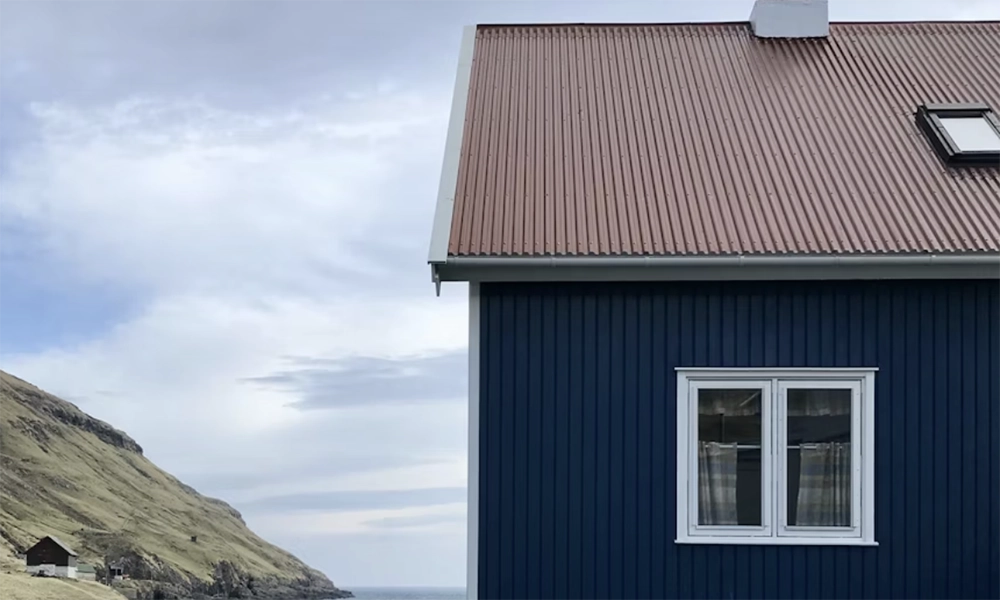
Storms and rising temperatures put extra stress on traditional building materials like wood or siding. Choosing durable options helps maintain a stable internal temperature for your family all year.
Local weather patterns dictate which upgrades offer the most protection for your specific property. Modernizing your exterior prevents common issues like water intrusion or heavy wind damage.
Lighting And Floor Safety
Good visibility is a simple way to make every room in your house much safer. Experts in occupational therapy work with residents to identify and fix trip hazards in a systematic way. This process makes daily routines much smoother for everyone living in the house.
Removing loose rugs or adding non-slip mats can prevent many common injuries in the kitchen or bathroom. These small adjustments provide peace of mind without requiring a full renovation of your property.
Bright lights in hallways and stairwells are necessary for safe evening navigation. Motion sensors can help illuminate paths without you needing to search for a switch in the dark.
Specialized Care In Domestic Spaces
Medical recovery often happens within the comfort of your own bedroom rather than a clinic. A medical journal noted that home modifications do not always stop falls for those recovering from a stroke. This finding highlights the need for constant vigilance and personalized care plans for loved ones.
Property owners can prioritize several safety features to help those with limited mobility:
- Grab bars are installed in bathrooms and showers for extra balance.
- Threshold ramps for smooth transitions between different types of flooring.
- Lever-style door handles that require less grip strength to operate.
Combining physical aids with professional guidance creates a better recovery environment. Each person has unique requirements that standard building designs might miss during construction.
Managing Air Quality And Moisture
Breathing clean air is a primary requirement for a healthy and active lifestyle. Research shows that damp or cold living conditions are tied to heart problems and breathing issues. Keeping surfaces dry prevents the growth of harmful irritants that affect your lungs.
Proper ventilation systems move stale air out and bring fresh air inside throughout the day. This cycle reduces the buildup of dust or allergens that cause general discomfort.
Monitoring humidity levels helps you maintain a balanced atmosphere in every room. Dehumidifiers or exhaust fans are simple tools that make a big difference in overall air quality.
Impact Of Surroundings On Development
The environment where children grow up influences their long term success and cognitive skills. One study found that favorable home conditions provide lasting benefits for social and mental growth. Creating a calm and organized space helps everyone in the family feel more relaxed.
Reducing noise pollution within the house allows for better focus during study or work. Soft furnishings and acoustic panels can absorb sounds that might otherwise be distracting for residents.
Organized play areas encourage creativity and keep common spaces tidy for visitors. Having a dedicated spot for every item makes cleanup much faster for busy parents.
Supporting Independence For Seniors
Maintaining a sense of freedom is a major goal for many older adults living at home. Data indicate that falls lead to roughly 3 million emergency room visits for elderly patients every year. Fixing uneven surfaces is a proactive step toward avoiding these expensive hospital stays.
Installing sturdy handrails along every set of stairs is a logical upgrade for aging in place. These supports provide balance and confidence when moving between different levels of the house.
Reducing home stressors can also help bridge gaps in early life skills for children living in the same space. This approach creates a supportive atmosphere where every generation can thrive together.

Investing in your living space pays off in both comfort and safety for your family. Small changes today prevent big problems from developing as your needs change over the years.
A well-maintained house supports your physical health and gives you a place to recharge. Focus on these simple improvements to create a sanctuary that works for everyone.
Filed underFamily & parenting