









Designing Communities for Healthy Living
-
- February 6, 2026

Thoughtful design matters for many reasons. It shapes the way people live and interact with one another. When done well, it often includes green spaces and prioritizes walkability. These elements encourage healthier daily rituals and support overall wellness.
As urban neighborhoods become increasingly prevalent, city planners must think intentionally about how design choices affect the people who live there. By reimagining how individuals connect, move and engage with their surroundings, communities can create a strong blueprint for healthier neighborhood development and long-term well-being.
The Importance of Walkable Neighborhoods
While weight loss is not always easy, one of the simplest ways to support it is to decrease caloric intake and increase movement through walking. Walking remains one of the most accessible and effective ways to stay in shape. When a community is walkable, it plays a major role in a person’s ability to live well. Designing cities with sidewalks and safe road crossings for pedestrians is central to encourage citizens to walk. Pedestrian accidents are an unfortunate hazard. In 2022, the city of Fremont, California alone saw 39 pedestrian accidents.
Walkable neighborhoods reduce reliance on cars and make daily movement more natural. Sidewalks and bike lanes are critical elements of neighborhood design. They support physical health while also reducing carbon emissions as residents drive less.
When people move through their communities on foot, it becomes easier to build connections. Shared spaces encourage interaction and strengthen community bonds. At a time when loneliness is increasingly common, thoughtful neighborhood design can promote social wellness and meaningful connection.
The Inclusion of Public, Accessible Transportation
While reducing carbon emissions is important, people still need reliable ways to get around. That’s why public transportation plays a critical role in healthy community development. When residents can depend on efficient, dependable transit, they are less likely to rely on personal vehicles.
Public transportation benefits people of all ages, socioeconomic backgrounds and abilities. Whether someone is elderly, disabled or unable to afford a car, they still deserve access to independence through other forms of mobility. Thoughtful design that prioritizes accessibility can enhance quality of life, boost confidence and support mental well-being.
Green Spaces and Fostered Community
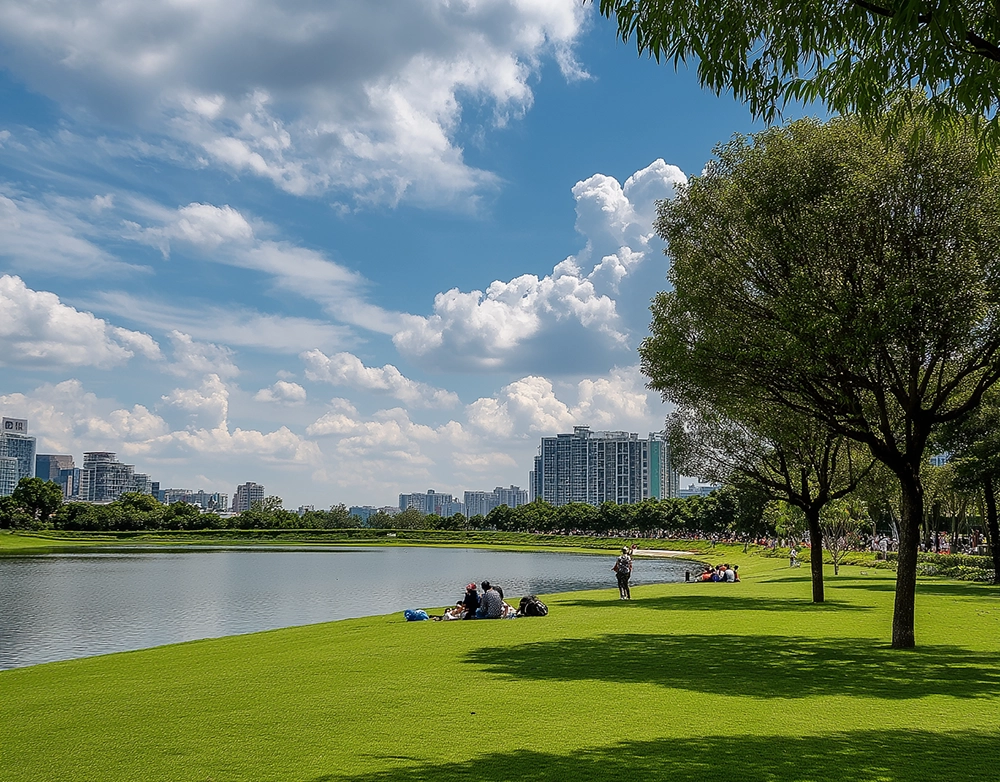
Green spaces contribute immensely to the neighborhoods they serve, providing areas for exercise, relaxation and connection. Well-maintained parks and gardens definitely add beauty. Yet, they also help reduce stress and support mental wellness. Thoughtful design enhances walkability within these spaces, making it easy for residents to move around. Local parks are perfect for bringing children outside for fresh air and play. This encourages activity for both parents and kids.
Parks also foster community. Thoughtful layouts allow people to gather for barbecues; tennis matches or a relaxing day by the community pool. When there’s a space to gather, this strengthens social bonds and creates shared experiences.
Policy and Social Well-Being
One important component of neighborhood planning involves thoughtful policies. Respecting city standards and regulations is essential to ensure streets remain safe and public spaces are accessible to everyone (age, ability, gender, etc.).
Mixed-use development is a key part of this policy conversation. Thoughtful community design blends residential, commercial and recreational spaces. They all need to be within walking distance of each other. Planning with zoning regulations, accessibility standards and other requirements in mind fosters neighborhoods that are healthier, more connected and happier for all residents.
Infrastructure and Future Development
Community development depends on reliable, efficient infrastructure. Safe streets, energy-efficient buildings and consistent access to water and utilities ensure residents can maintain their wellness routines and feel comfortable in their daily lives. Strong infrastructure also helps keep cities clean, beautiful and well-maintained. By investing in design that protects the environment while supporting existing neighborhoods, communities promote sustainability and create spaces that allow residents to thrive today and in the future.
Moving Forward
City planners and developers can foster positive change by intentionally incorporating thoughtful design into city plans. By integrating accessible infrastructure, walkability and community features like green spaces, neighborhoods can thrive.
- About the Author
- Latest Posts

Our Editorial Team are writers and experts in their field. Their views and opinions may not always be the views of Wellbeing Magazine. If you are under the direction of medical supervision please speak to your doctor or therapist before following the advice and recommendations in these articles.


