
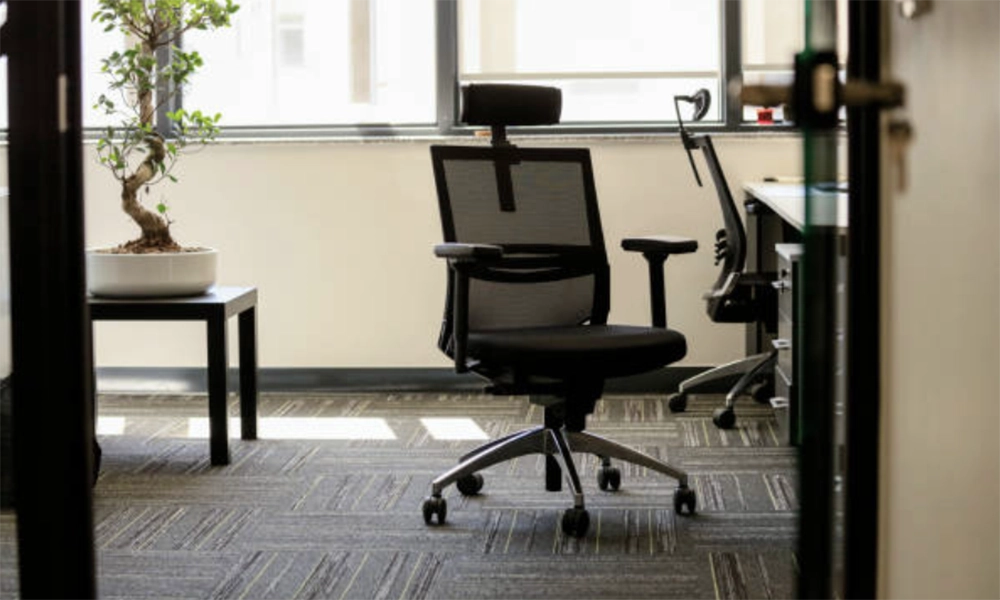
If you spend hours at a desk, you have probably thought about comfort more than once. You adjust your seat height, move your armrests, and maybe even upgrade your lumbar support. But what about chair headrests? Are they truly necessary, or are they just an extra feature that looks nice but does little?
Many modern offices use ergonomic models like Herman Miller Aeron, Mirra 2, Embody, and Steelcase Leap V2. These chairs are already known for thoughtful design. Still, the role of a headrest is often overlooked. Some professionals add one later through suppliers such as OfficeLogixShop, especially when they want more neck support. But is that extra support essential for everyone?
Let’s explore the real purpose of a headrest and whether it makes sense for your workspace.
What Does a Headrest Actually Do?
A headrest is designed to support the upper part of your spine, especially the cervical spine, which includes the neck vertebrae. When you sit for long periods, your neck can carry more tension than you realize.
The main goals of a headrest include:
- Supporting the natural curve of the neck
- Reducing strain during long sitting sessions
- Providing a place to rest your head while reclining
Without proper support, prolonged sitting may lead to stiffness or discomfort. Over time, poor posture can contribute to chronic neck pain or cervical spine issues.
How a Headrest Supports Better Posture
Good posture is about alignment. Your ears, shoulders, and hips should ideally form a straight line when seated. However, many people lean forward toward screens, especially when working on computers or using mobile devices.
This forward head posture places extra pressure on the neck and shoulders. A properly positioned headrest helps maintain a neutral position. Instead of your head drifting forward, it rests gently against the support.
Here’s how posture benefits from a headrest:
| Benefit | How It Helps |
| Cervical Support | Maintains natural neck curve |
| Muscle Relief | Reduces tension in the shoulders |
| Spinal Alignment | Encourages upright sitting |
When the head and neck are supported correctly, the rest of the spine can follow a more natural alignment.
Comfort During Long Work Sessions
Let’s be honest. Even with a great chair, long hours at a desk can feel tiring. A headrest offers a small but meaningful place to relax.
When you lean back to think, read, or take a short break, your neck muscles can fully relax. Without support, those muscles continue to work, even during rest moments.
Headrests are especially helpful for:
- Reading documents on screen
- Participating in long virtual meetings
- Taking short mental breaks while seated
That added support can reduce muscle fatigue and make extended sitting more comfortable.
Lowering the Risk of Neck Pain
Modern work habits often involve screens at eye level or slightly below. Many people unknowingly push their heads forward while focusing. Over time, this position increases strain on the neck.
A headrest can help prevent excessive forward movement. By supporting the head during recline, it reduces pressure on the upper spine. While it does not replace good posture habits, it can support them.
Reducing neck strain is important not just for comfort but also for long-term health. Chronic tension may lead to persistent pain or stiffness if left unaddressed.
Can a Headrest Improve Productivity?
Comfort and productivity often go hand in hand. When discomfort is minimal, concentration tends to improve. A chair that supports the neck allows for longer focus periods with fewer interruptions.
Consider these effects:
- Fewer breaks are needed for stretching
- Reduced distraction from neck stiffness
- More relaxed posture during long tasks
While a headrest alone does not guarantee higher productivity, it contributes to a more supportive work environment.
Compatibility with Popular Ergonomic Chairs
Chairs like Herman Miller Aeron, Mirra 2, Embody, and Steelcase Leap V2 are widely used in offices. These models already include advanced lumbar systems and adjustable features.
Adding a headrest can complement these ergonomic elements. The key is ensuring the headrest matches the chair’s design and structure. Proper integration helps maintain stability and alignment.
Many adjustable headrests are designed to:
- Match the original chair shape
- Maintain visual consistency
- Attach securely without affecting balance
Adjustability is especially important because people differ in height and sitting habits. A good headrest allows changes in both angle and height.
Ease of Installation and Flexibility
One practical advantage of modern headrests is ease of installation. Many are designed for quick attachment or removal.
This flexibility allows:
- Simple setup without special tools
- Adjustment for different users
- Removal if not needed
In shared office environments, this adaptability can be helpful.
Who Might Benefit Most from a Headrest?
Not everyone needs a headrest. Some people sit upright most of the day and rarely recline. In those cases, neck support may not be essential.
However, certain individuals may benefit more:
- Taller users who need upper spine support
- People who recline frequently
- Individuals with recurring neck tension
- Workers in long meeting environments
If you often lean back to think or read, a headrest may provide noticeable comfort.
Common Questions About Headrests
Is a headrest required for good posture?
Not necessarily. Good posture can be maintained without one. However, a headrest can support alignment during reclining positions.
Will a headrest prevent neck pain?
It may reduce strain by supporting the cervical spine, especially during long sitting sessions. It works best when combined with a proper desk setup.
Can a headrest be added later to my chair?
Yes. Many ergonomic chairs are compatible with adjustable headrests designed specifically for their models.
Are headrests adjustable?
Most quality headrests allow height and angle adjustments to accommodate different users.
So, Should You Get One?
A headrest is not mandatory for every office chair. Still, it can play a meaningful role in neck support, comfort, and posture. For professionals who spend long hours seated, the added support may enhance overall well-being.
Think about your daily habits. Do you recline often? Do you experience neck stiffness? Do you sit through long virtual meetings? If so, a headrest could offer valuable relief.
In the end, an office chair should support your entire body, from lower back to neck. Whether you choose to include a headrest depends on your comfort needs and working style. When selected carefully and adjusted properly, it can transform a good chair into a more complete ergonomic solution.
- About the Author
- Latest Posts

Our Editorial Team are writers and experts in their field. Their views and opinions may not always be the views of Wellbeing Magazine. If you are under the direction of medical supervision please speak to your doctor or therapist before following the advice and recommendations in these articles.