For many homeowners, DIY can feel intimidating – complicated tools, confusing instructions, and the fear of mistakes can make even small projects daunting. Yet with a few essentials, some practical tips, and a little confidence, you can tackle everyday improvements with ease. Central to most DIY projects are nails and screws – simple items that, when used correctly, form the backbone of countless home improvements.
From hanging shelves to fixing cabinet doors, these basic fasteners are versatile, reliable, and indispensable. Understanding the right type, size, and technique can save time, reduce frustration, and make your projects feel less like work and more like satisfying accomplishments.
Choosing the Right Nails and Screws
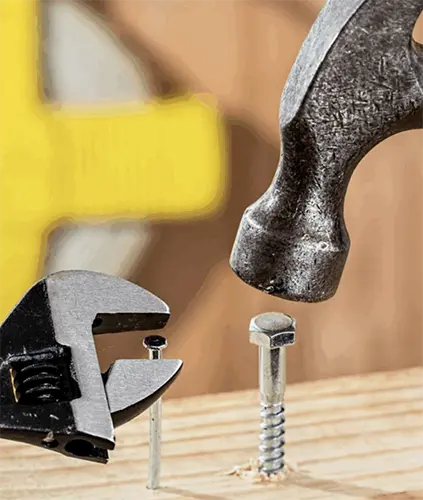
The first step to stress-free DIY is knowing your materials. Nails and screws are not one-size-fits-all. For example, longer screws provide extra holding power for heavy fixtures, while shorter nails are perfect for attaching trim or lightweight panels. Some screws are designed specifically for wood, while others are better suited for metal or masonry.
Selecting the right fastener prevents damage to your materials, ensures the stability of your projects, and reduces the likelihood of repeated mistakes. Take a few minutes to check the instructions for any project, or refer to a DIY guide, to ensure you’re choosing the appropriate nails or screws.
Investing in a small organiser for your nails and screws can make a huge difference. Separating them by type and size saves time and reduces stress, particularly when you’re juggling multiple tasks at once. A well-organised system makes it easy to grab exactly what you need and keeps your workspace clutter-free – an essential factor for both safety and efficiency.
Tips for Stress-Free DIY
Even with the right nails and screws, technique matters. Here are some tips to make your projects smoother:
- Use the Right Tools: A good hammer or screwdriver reduces effort and ensures nails and screws are properly seated. For repetitive tasks, consider a cordless drill to speed things up.
- Pre-Drill When Needed: For harder woods or larger screws, drilling a pilot hole prevents splitting and makes driving screws easier.
- Level and Measure: Taking the time to measure and mark your positions ensures straight, aligned results. Simple tools like a spirit level and tape measure can save hours of correction work.
- Go Slow at First: Don’t rush. Driving nails or screws too quickly increases the risk of bending, splitting, or stripping. Patience produces a neater, safer finish.
By following these simple steps, even beginners can approach DIY with confidence. Every successful project builds both skills and self-assurance, turning what once seemed stressful into something enjoyable.
Everyday Projects You Can Tackle
Nails and screws are at the heart of countless home projects, from small fixes to creative upgrades. Here are a few examples:
- Hanging Shelves and Picture Frames: A classic use for nails and screws, this project instantly enhances storage and adds personal style to a room.
- Assembling Furniture: Many flat-pack items require only screws, yet the correct size and type make all the difference in durability.
- Repairing Cabinet Doors or Drawers: Loose hinges or handles can be easily re-secured, improving functionality and appearance.
- Installing Hooks or Rails: Perfect for organising coats, bags, kitchen utensils, or even creating order in your outdoor space, these quick fixes help reduce clutter.
Small projects like these don’t require specialised skills or expensive tools, but they do provide a sense of achievement. Completing tasks efficiently and neatly also boosts confidence, encouraging you to take on larger improvements over time.
Safety, Organisation, and Enjoyment
Stress-free DIY isn’t just about technique – it’s also about creating a safe and organised environment. Keeping nails, screws, and tools properly stored prevents accidents, protects surfaces, and ensures you don’t waste time searching for missing items.
Wearing basic protective gear, such as gloves and safety glasses, adds another layer of security. And remember, a tidy workspace is a happy workspace. Taking a few minutes to clean up as you go keeps the area safe and makes the next project less daunting.
Beyond the practical side, DIY can contribute to overall wellbeing. Successfully completing tasks improves confidence, gives a sense of control over your environment, and even reduces stress. Turning a mundane repair into a rewarding experience transforms the home and your mindset simultaneously.
Nails and screws may seem like simple, everyday items, but their impact on home improvements is enormous. By choosing the right fasteners, using correct techniques, and keeping tools organised, even the most basic DIY projects become approachable and enjoyable.
Remember, stress-free DIY is as much about preparation and organisation as it is about skill. With a few essentials in place, you can tackle repairs, upgrades, and creative projects with confidence. From hanging a shelf to repairing a drawer, your home can be improved one small, satisfying step at a time.
Next time you look at a minor repair or a simple improvement, reach for your nails and screws and see how easy and rewarding home DIY can be. Over time, these small wins add up to a well-maintained, organised, and personalised home – all with minimal stress and maximum satisfaction.