Trauma is not only a psychological experience—it lives in the body. When we encounter overwhelming stress or painful events, our muscles instinctively contract to protect us. Over time, if the body doesn’t have the opportunity to fully process and release these experiences, tension can become chronic. We may not even realize we’re holding fear, grief, or anxiety in our tissues until the pain, stiffness, or fatigue becomes unavoidable.
Fortunately, the body can also be a powerful gateway to healing. By bringing awareness, breath, and gentle movement to specific muscles that tend to hold unresolved trauma, we can create the conditions for release and restore both physical ease and emotional balance. Four muscles in particular—the scalenes, iliopsoas, upper trapezius, and quadratus lumborum—often act like “storage banks” for stress. Releasing them can bring surprising relief and a sense of spaciousness inside.
Here’s how each of these muscles relates to trauma, and simple practices to help you let go:
Scalenes: Releasing Fear
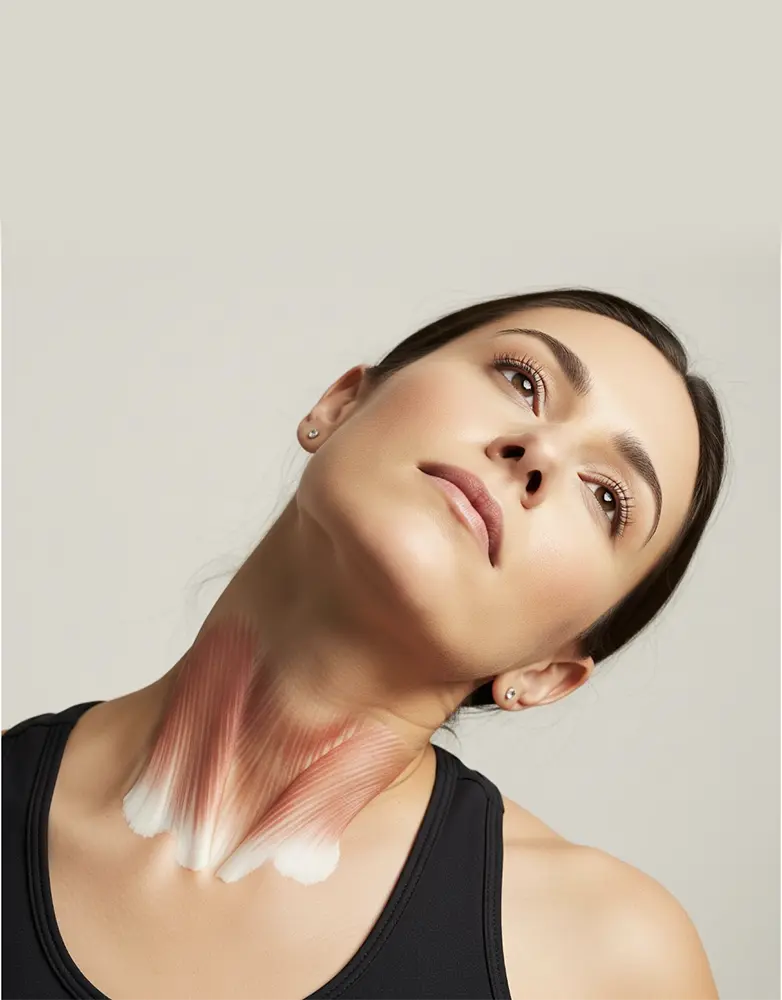
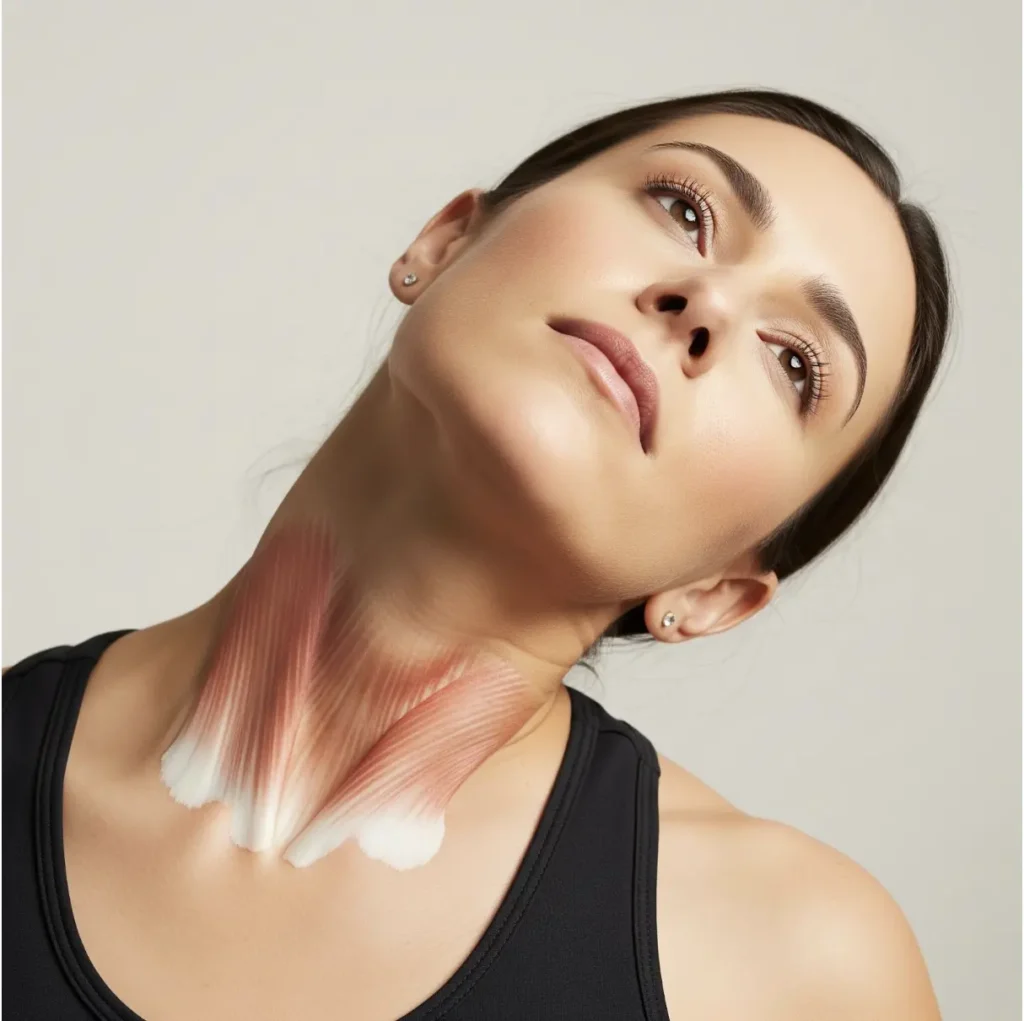
The scalenes are a group of three small muscles along the sides of the neck. They help with breathing by lifting the upper ribs. When we feel fear or panic, the scalenes tighten, leading to shallow “fight-or-flight” breathing. Over time, this can create stiffness in the neck, headaches, or a constant feeling of being “on edge.”
Practice: Side Neck Stretch
- Sit or stand tall. Gently tilt your right ear toward your right shoulder.
- Place your right hand lightly on the side of your head for a deeper stretch, without forcing.
- For the anterior scalene, turn your head slightly upward toward the ceiling.
- For the posterior scalene, turn your head slightly downward toward your chest.
- Hold each position for 30-60 seconds.
Tip: As you stretch, breathe deeply into the side of your neck. Silently repeat: Inhale—relax. Exhale—calm. Imagine the tightness melting away with every breath.
Iliopsoas: Softening the Muscle of Survival
The iliopsoas is a deep muscle that connects the spine to the legs. Often called the “fight-or-flight” muscle, it contracts instinctively when we feel threatened—readying us to run or protect ourselves. If trauma isn’t processed, the iliopsoas may remain tight, causing low back pain, pelvic tension, or digestive issues.
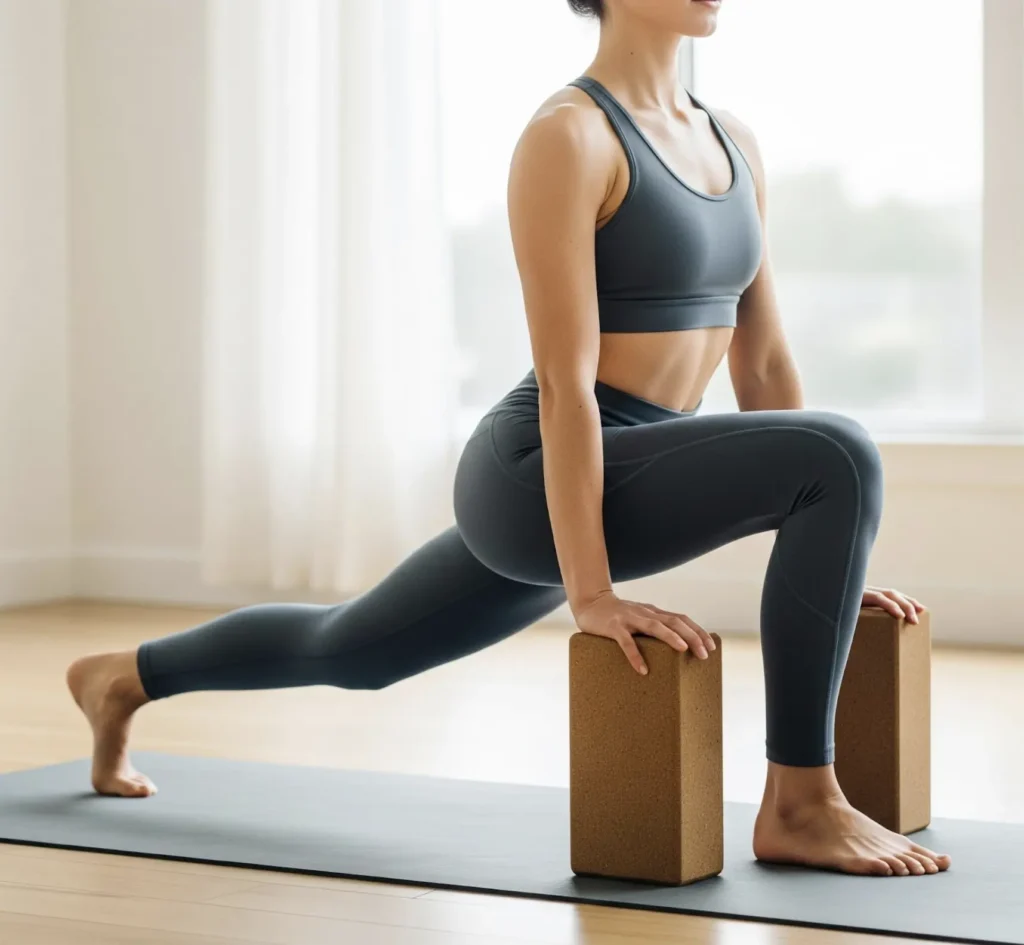
Practice: Supported Lunge
- With your hands resting on yoga blocks for support, step your right foot forward into a lunge.
- Keep your left knee lifted off the floor so that your back leg is active.
- Lengthen through your spine and lift your belly as you press back through the heel.
- Hold for 30-60 seconds, then switch sides.
Tip: Focus on sending your breath down into your belly and hips. Imagine you are creating more space in the front of your body for energy and emotion to flow. Whisper to yourself: I am safe. I can let go.
Upper Trapezius: Unloading the Weight of Responsibility
The upper trapezius muscles run from the base of the skull across the tops of the shoulders. They are often the first to tighten when we feel burdened, anxious, or under pressure. This “armor” posture—hunched shoulders and a stiff neck—signals the nervous system to stay on high alert. Releasing the trapezius can feel like setting down a heavy backpack you didn’t know you were carrying.
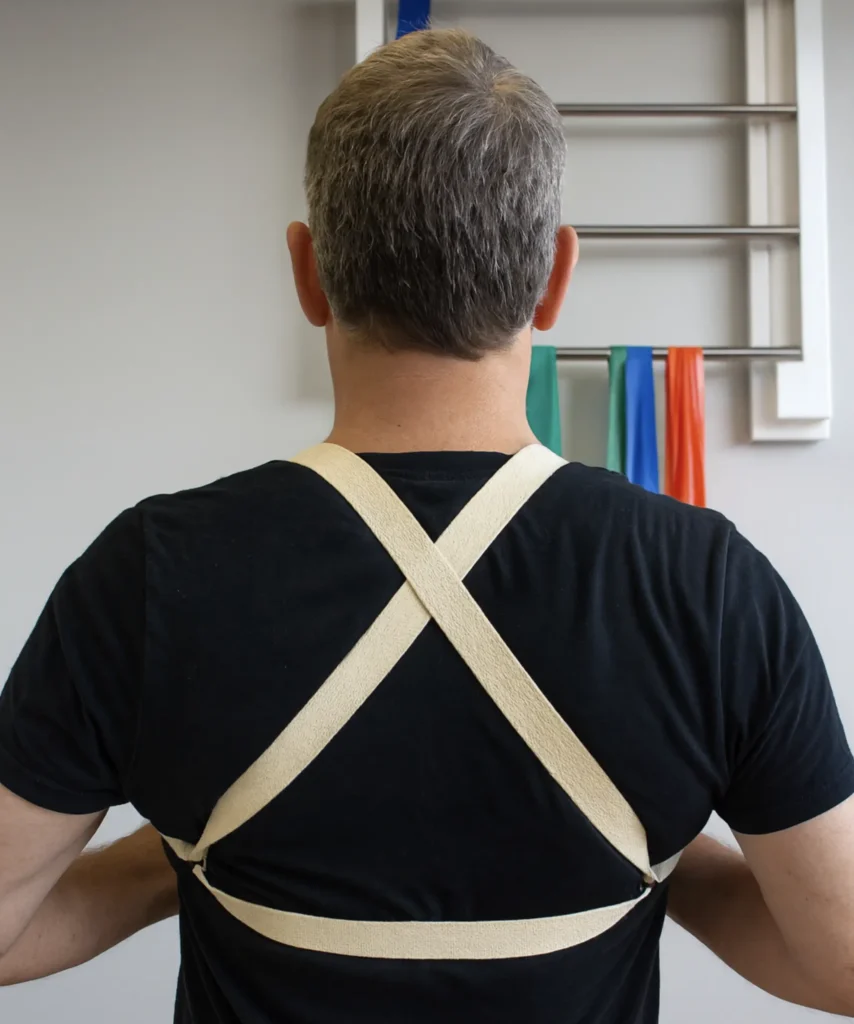
Practice: Harness with a Yoga Strap
- Place a yoga strap behind your back at the level of the armpits, and hold each end of the strap out in front of you.
- Put each strap over the shoulder close to the neck.
- Cross the straps behind the neck (like overalls) with the “X” at the level of C7 (the lowest cervical vertebrae)
- Let go of the straps and grab the edges next to your waist.
- Pull down, compressing the upper trapezius muscle.
- Hold for 30 seconds to one minute, moving the shoulders away from the ears.
Tip: With each exhale, imagine your shoulders softening downward, releasing years of tension. Use the mantra: Inhale—relax. Exhale—calm.
Quadratus Lumborum (QL): Creating Stability and Grounding
The quadratus lumborum, or QL, is a deep muscle in the lower back that stabilizes the spine and pelvis. When we feel unsafe or unsupported, the QL may grip tightly as if to “hold us together.” This often results in low back stiffness, one-sided pain, or difficulty standing tall. Releasing the QL helps us feel more grounded, connected, and stable.
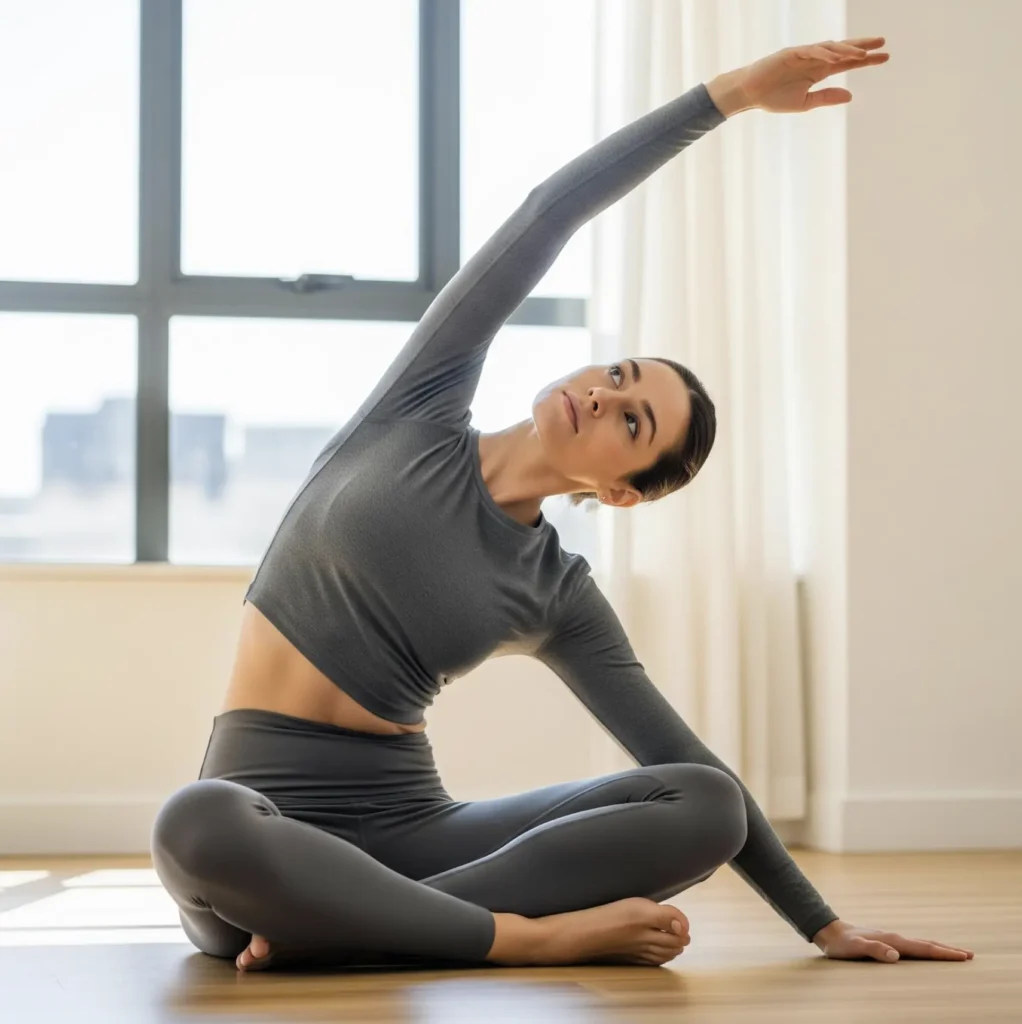
Practice: Seated Side Stretch
- Sit on the floor with your legs crossed.
- Ground your sitting bones firmly into the earth.
- Inhale, reach your right arm overhead.
- Exhale, lean gently to the left, keeping your pelvis rooted.
- Breathe into the side body, especially the area between the lower ribs and the top of the pelvis.
- Hold for 30-60 seconds, then switch sides.
Tip: Visualize your pelvis as a foundation anchored into the earth. With every exhale, imagine tension draining out of your low back into the ground, leaving you steady and supported.
The Breath is Your Greatest Ally
While each of these stretches targets a specific muscle, the real key to release is your breath. Trauma lives in contracted tissues, and breath is the most powerful tool to bring softness and safety back into the body. With every inhale, invite relaxation into the tight area. With every exhale, let go of what no longer serves you.
Finding Freedom in the Body
Healing trauma is not about erasing the past—it’s about creating space for the body and mind to reconnect in the present. By tending to the scalenes, iliopsoas, trapezius, and quadratus lumborum, you’re not just stretching muscles—you’re giving yourself permission to release old patterns of fear, tension, and over-protection.
When we bring breath and awareness to the places that hold our deepest stories, we begin to rewrite them. What was once a site of pain can become a gateway to resilience, peace, and freedom. Healing starts with one breath, one stretch, one moment of letting go.
Written By Rachel Krentzman PT, E-RYT, C-IAYT, MBA
Rachel Krentzman PT, E-RYT, C-IAYT, MBA is a practicing yoga and physical therapist and certified Hakomi psychotherapist. Born in Montreal to an Orthodox Jewish family, she experienced the trauma of her rabbi father’s arrest, shed her strict upbringing, and found herself. She specializes in personal healing through somatic, body-centered psychotherapy and yoga therapy. Afflicted with scoliosis and damaged discs, she created a powerful therapy that helps hundreds of students and patients around the world. She now lives with her husband, son and two dogs in Israel. Her numerous books on yoga include Scoliosis, Yoga Therapy and the Art of Letting Go (2016). Her new book is As Is: A Memoir on Healing the Past Through Yoga. Learn more at happybackyoga.com.
- About the Author
- Latest Posts

Our Editorial Team are writers and experts in their field. Their views and opinions may not always be the views of Wellbeing Magazine. If you are under the direction of medical supervision please speak to your doctor or therapist before following the advice and recommendations in these articles.