Introduction: Looking Beyond Surface Symptoms
Varicose veins are largely regarded as a cosmetic problem, the kind that affects appearance more than health. In fact, they may indicate underlying venous insufficiency, and can lead to chronic pain, swelling, fatigue and limited mobility. For many, varicose veins are more than an aesthetic concern; they’re a daily reminder of overload in the vascular pump. They cannot be effectively addressed through a one-off procedure or short-term fix. It advocates for a holistic approach that encompasses lifestyle habits, preventive strategies, and professional medical treatment when required.
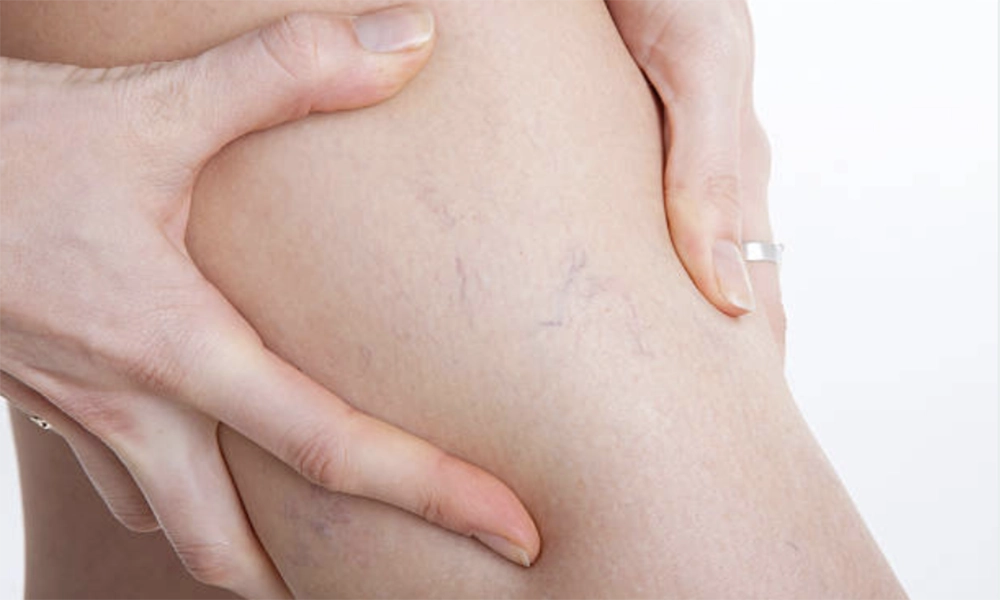
The approach considers varicose veins within the larger framework of wellbeing, empowering people to make decisions about their health. Self-care practices can work in conjunction with modern vascular treatments to enhance physical comfort and ultimately, quality of life.
What You Should Know About Varicose Veins and Venous Insufficiency
Varicose veins occur when the valves in leg veins become weak or damaged. Normally, these valves prevent backward flow so that blood moves upward toward the heart. When they do not work well, blood can collect in the veins, causing them to bulge and twist. This pooling exerts more pressure on the inside of the veins, causing visible bulging in those veins and sensations of aching, heaviness and swelling.
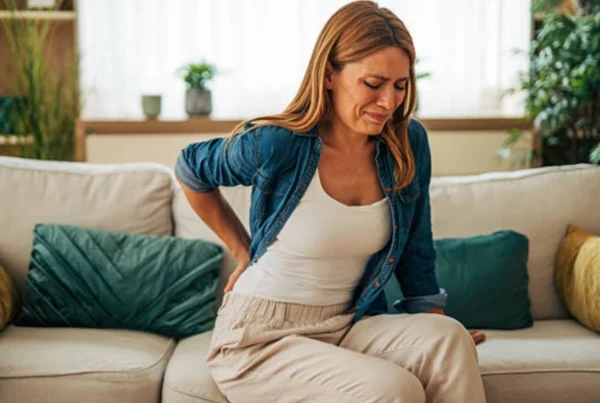
While some have mild symptoms, others noted have significant discomfort that disrupts normal (and sometimes quite painful) activities. Some risk factors are prolonged standing or sitting, pregnancy, aging and genetics and excess body weight. The first step in the process of thinking about comprehensive management is realizing that varicose veins are more than a cosmetic issue; that these symptoms arise from a malperfusion problem as opposed to superficial pathology.
Lifestyle Changes in Prevention and Management
Lifestyle factors have a profound impact on vascular health. While you can’t change your genetics, what you do day to day plays a huge role in your circulation and rate of symptoms progression. Movement is the starting point of a holistic approach. Regular physical activity strengthens the calf muscles, which function as a natural pump to assist blood return to the heart. Walking, swimming, cycling and light strength training can all enhance venous return and lessen the heaviness of legs.
Just as important is preventing long stretches of immobility. Prolonged sitting or standing increases pressure in the leg veins. In addition, integrating brief walking breaks, stretching and basic ankle movements to your daily routine can help ensure healthy blood flow. Even small adjustments, such as propping the legs up after work, can ease pressure and minimize swelling.
Nutrition also influences vascular function. High fiber, antioxidants and healthy fats diets help maintain the integrity of your blood vessels and decrease inflammation. Keeping a healthy weight lightens the load on leg veins and reduces the risk of symptoms worsening. Proper hydration ensures healthy blood volume and faster circulation.
The Impact of Compression Therapy
Conservative treatment Faster Compression stockings These specially designed garments exert graduated pressure on the legs, helping veins and enhancing blood flow back to your heart. Compression will not get rid of the varicose veins but it can help reduce pain and swelling.
Compression therapy is one piece of the multidimensional treatment puzzle, integral for so many people. Paired with lifestyle changes, it can slow progression and improve comfort. But compression might not be enough for patients with more advanced venous insufficiency, another reason to see a professional.
Emotional Wellbeing and Body Confidence
Now, a holistic approach recognizes the psychological aspect of varicose veins. Visible veins can have a negative effect on confidence, influencing clothing and social activities. Chronic pain can also lead to irritability, sleep problems and less enjoyment of physical activity.
Engaging with these emotional dimensions is critical to holistic care. Having open conversations with health care providers about concerns related to appearance or lifestyle restrictions can help guide treatment decisions. When physical symptoms are managed, the boost in confidence and general wellbeing tends to follow.
When to Consider Medical Treatment
Nevertheless, even lifestyle changes may not completely eliminate aversive symptoms in moderate to severe cases. Obstinate swelling, dermatologic changes or persistent symptoms require professional assessment. Recent progress in vascular medicine has revolutionized treatment options, allowing procedures to go from being highly invasive and difficult-to-cascade with care bundles and multi-specialty teams.
Modern procedures like endovenous laser therapy, radiofrequency ablation and ultrasound-guided sclerotherapy fix the faulty veins without requiring massive surgery. These procedures are usually done in an outpatient setting with few complications and high rates of success. Specialized assessment and individualized treatment plans provided by specialized clinics like Trident Vein Center are tailored to these vascular needs.
Reaching out for professional care is not a shortcoming in lifestyle management. Instead, it is a proactive strategy for long-term health. Early intervention can prevent complications, such as skin ulcers or chronic inflammation, that interfere with mobility and comfort.
Integrating Treatment with Ongoing Self-Care
A real holistic approach doesn’t stop after a medical procedure. 51 But following initial resolution of a malignancy, ongoing vigilance about lifestyle habits is critical to sustaining results and preventing a return. Exercise, healthy diet and maintaining a healthy weight also promote general vascular health.
Follow-up appointments after treatment enable providers to assess progress and provide solutions for potential problems. Knowing risk factors and prevention methods helps individuals stay involved in their health. Thus, treatment is not an isolated endpoint but part and parcel of a larger ideology centered around wellbeing making this a holistic method.
Aging Gracefully with Healthy Circulation
It is a natural change in vascular elasticity that happens with age. Though varicose veins increase with age, these unsightly vein patterns can be reduced with proactive care. Maintaining physical activity, controlling chronic diseases like hypertension and seeking timely medical consultation are essential for healthy aging.
The concept of holistic vascular health matches greater wellness philosophies. It focuses on prevention, early detection and customized treatment. Concerned with circulation from an early point on, people would keep not only independent but mobile at least until elderhood.
Education and Awareness is the Key!
Misinformation: One of the biggest barriers to managing varicose veins. Most people think that vein problems are purely cosmetic or a natural consequence of aging. In fact, untreated venous insufficiency can result in worsening signs and symptoms as well as complications.
Offering educational resources, community outreach and conversations with health care professionals helps dispel those myths and promote early intervention. Knowledge helps people to identify warning signals and seek relevant treatment before distress becomes unmanageable.
Bottom Line: A Balance glycaemia in vasculature
In effect, this new approach bridges the gap between lifestyle and medicine. All of these elements from daily movement and nutrition to advanced minimally invasive procedures contribute to healthy circulation.
A holistic approach acknowledges that diseased veins affect not just physical comfort, but confidence and overall wellbeing as well. Particularly practicing good prevention and seeking professional help as needed, can return comfort, improve appearance and enhance quality of life. In the grand scheme, prioritizing vascular health is an investment in long-term vitality, ensuring that circulation facilitates each step toward a healthier tomorrow.
- About the Author
- Latest Posts

Our Editorial Team are writers and experts in their field. Their views and opinions may not always be the views of Wellbeing Magazine. If you are under the direction of medical supervision please speak to your doctor or therapist before following the advice and recommendations in these articles.