Gardening has long been recognised as a powerful way to support physical and mental wellbeing. Time spent outdoors, tending to plants, mowing lawns or simply maintaining green spaces can help reduce stress, improve mood and encourage gentle physical activity. As technology evolves, the tools used to care for our gardens are also changing, and increasingly, they are contributing to a more comfortable and healthier gardening experience.
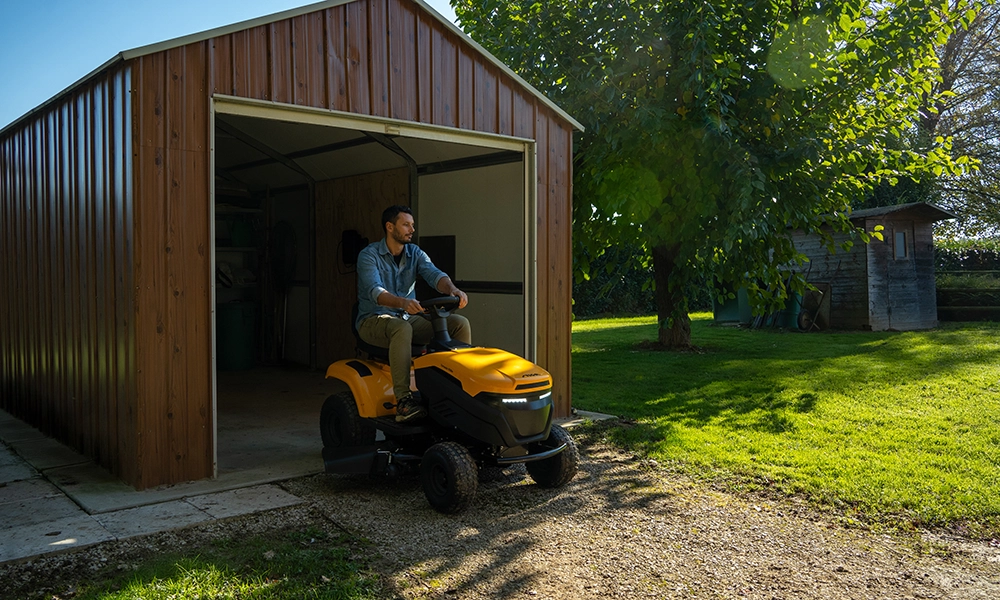
One of the biggest shifts in recent years has been the move towards battery-powered garden machinery. Brands such as STIGA, known for producing garden care equipment across Europe, are developing fully electric ranges that include lawn tractors, mowers and handheld tools. These battery-powered solutions are designed not only for performance, but also to support a quieter, cleaner and more enjoyable approach to outdoor maintenance.
Cleaner Air and Healthier Outdoor Spaces
Traditional petrol-powered garden machinery produces exhaust emissions during operation, including carbon monoxide, hydrocarbons and other pollutants. While these machines have been widely used for decades, the fumes they produce can sometimes affect air quality in the immediate area, particularly in smaller or enclosed gardens.
Battery-powered tools offer a simple solution: zero direct emissions while in use. Without petrol engines, there are no fumes released during mowing or trimming, which helps keep the air around the garden fresh and pleasant. For many users, this makes spending time outdoors more enjoyable, especially for those who may be sensitive to strong smells or engine exhaust.
Cleaner air also benefits families, pets and wildlife that share the garden space. For people who see their gardens as a place of relaxation and wellbeing, this shift towards cleaner technology can help reinforce the sense of a healthy outdoor sanctuary.
A Quieter Way to Garden
Noise levels can have a significant impact on wellbeing. Loud machinery can make gardening feel more like a chore than a calming activity, and it can also disturb neighbours and local wildlife.
Battery-powered garden equipment is typically much quieter than traditional petrol alternatives. Electric motors operate with a smoother, softer sound, reducing the overall noise level during tasks such as mowing or leaf clearing. This quieter operation allows gardeners to focus more on the simple pleasures of being outdoors, the sound of birds, the rustle of leaves or the breeze through trees.
Lower noise levels also mean gardening can take place at more flexible times of day without causing disturbance, making it easier to fit garden care into busy lifestyles.
Reduced Vibration and Improved Comfort
Another advantage of battery-powered tools is the reduced vibration produced by electric motors. Petrol engines generate continuous mechanical vibration that can travel through handles and seating, potentially causing fatigue during extended use.
Electric-powered equipment, by contrast, tends to operate much more smoothly. Less vibration can translate into a more comfortable experience, particularly when using tools for longer periods. For ride-on lawn tractors, smoother operation contributes to a more relaxed driving experience, while handheld tools can feel lighter and easier to control.
This added comfort makes garden maintenance more accessible to a wider range of users, including those who may prefer tools that are simpler and less physically demanding to operate.
Simpler, Stress-Free Operation
Ease of use is another factor that contributes to wellbeing. Anyone who has struggled with pull cords, fuel mixing or engine maintenance will appreciate the simplicity of electric garden tools.
Battery-powered machines start instantly at the push of a button and require far less routine maintenance. There is no need to store petrol, check oil levels or deal with engine servicing. For many gardeners, this means less time spent on upkeep and more time enjoying the garden itself.
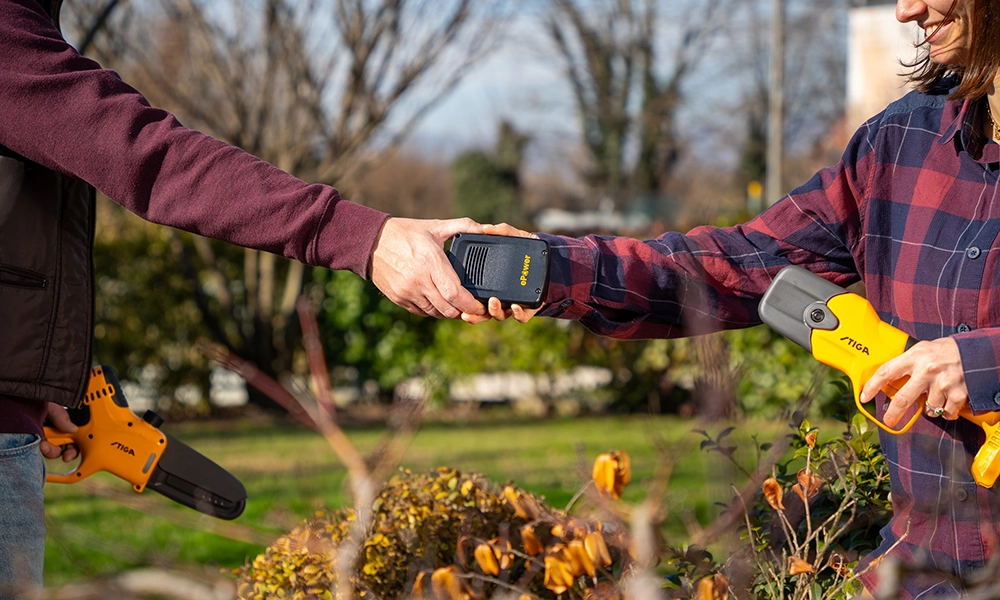
Modern battery-powered tractors and tools, including those developed by STIGA, often feature modular battery systems that allow users to adjust the runtime depending on their needs. Swappable batteries can extend working time when required, while still maintaining the quiet and smooth performance that electric equipment offers.
Supporting Environmental Wellbeing
Gardens are often seen as small ecosystems, spaces that support plants, insects, birds and other wildlife. Choosing equipment that produces fewer emissions and less noise can help maintain a healthier environment within these spaces.
Battery-powered tools contribute to this by reducing local pollution and noise disturbance. When charged using renewable electricity, they can also support a lower overall carbon footprint compared with petrol-powered machines.
For environmentally conscious gardeners, this offers a way to care for their outdoor spaces while also aligning with broader sustainability goals.
A More Enjoyable Gardening Experience
Ultimately, gardening should be an activity that promotes wellbeing rather than creating additional stress or discomfort. By combining quieter operation, cleaner performance and greater ease of use, battery-powered garden tools are helping to reshape the way people approach garden maintenance.
For homeowners managing large lawns with electric tractors or simply maintaining flowerbeds with handheld tools, the shift to battery power can make the entire experience feel calmer and more rewarding.
As technology continues to develop, innovations from companies like STIGA are showing that modern garden machinery can support both productivity and personal wellbeing. In doing so, they help ensure that the simple act of caring for a garden remains what it should be — a restorative, satisfying connection with the natural world.
You can see all of STIGA’s products on their website here: www.stiga.com/uk/