Healing Eczema from Within: The Gut–Skin Connection and Homeopathic Care
Eczema rarely stays where you can see it. The redness, the cracking, the maddening urge to scratch at three in the morning; these are the visible signs. Yet…
Eczema rarely stays where you can see it. The redness, the cracking, the maddening urge to scratch at three in the morning; these are the visible signs. Yet the roots often lie deeper, in a place most people never think to look: the gut.
For years, eczema was treated as a skin problem, full stop. Creams on. Symptoms down. Wait for the next flare. But a growing understanding now points to a two-way conversation between the digestive tract and the skin. Learning to listen to that conversation can change how the condition is managed and bring real, lasting relief.
Why the Gut and Skin Are in Constant Dialogue
Health experts call it the gut–skin axis. It is a simple idea with big consequences: what happens in the gut can show up on the skin, and vice versa. Much of this is driven by the trillions of tiny microbes living in both places.
When the balance of gut bacteria tips into disorder, the effects do not stay put. An unsettled gut can leave the immune system on edge, and that tension often surfaces as inflamed, irritated skin.
There is a particularly striking part of this story. Gut bacteria break down the fibre in food and turn it into helpful compounds that strengthen the skin's protective barrier. A diet low in fibre and heavy in processed food can quietly weaken that barrier over time.
So, the food on the plate does not simply pass through. It helps decide how resilient the skin will be.
The immune link matters too. A large share of the body's immune activity is centred around the gut. When the gut lining becomes inflamed or irritated, the immune system can tip towards the reactive, allergic pattern seen in eczema. Calm the gut, and the skin often calms with it.
The Everyday Story Behind the Idea
Consider a woman in her thirties whose eczema flared every winter. She had tried steroid creams, elimination diets and endless moisturisers. Her frustration was plain to see.
What stood out was not her skin but her digestion. Bloating, irregular bowels, a diet almost without fibre. When she began eating more plants and fewer processed foods, her gut settled first. Her skin followed weeks later.
One person's experience is not proof. Yet stories like hers repeat often enough that they are worth taking seriously, especially as they echo what research is now beginning to confirm.
The lesson in these cases is patience. Skin has a memory of its own, and it takes time to unlearn a pattern of inflammation. The people who improve are usually those who change several small things and stick with them, rather than chasing a single miracle.
Gentle Homeopathic Support for Eczema
Homeopathy takes a whole-person view, which sits naturally alongside the gut–skin picture. Rather than treating the rash alone, a homeopath asks about digestion, sleep, temperament and the exact pattern of the symptoms.
Two people with identical-looking eczema may need very different remedies, because the aim is to match the treatment to the individual, not merely the diagnosis. Used this way, gentle homeopathic support for eczema can complement dietary and lifestyle changes rather than compete with them.
Homeopathy can help support the skin, and there are trials that point to its usefulness in conditions such as eczema and acne. Readers who want to explore the details can turn to the Homeopathy Journal, a peer-reviewed publication, for a closer look at how homeopathy performs in treating these skin complaints.
Many find value in the process itself. A detailed consultation often uncovers triggers, from diet to stress, that had gone unnoticed for years. As always, it works best as part of a broader plan and in step with a person's own doctor, never as a reason to delay care for a severe flare or infection.
Practical Ways to Support the Skin from Within
Here is where real change begins. Some of the following rests on solid research. Some comes from clinical experience and the reports of patients themselves.
Feed the gut bacteria
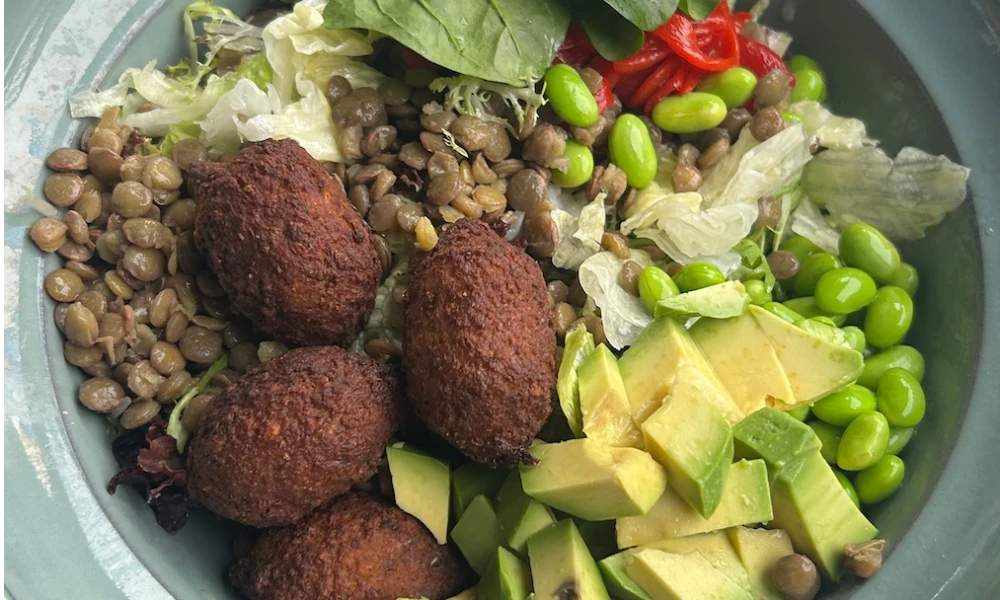
Fibre is the single most useful change to make, and the evidence for it is genuinely encouraging. Vegetables, pulses, oats, nuts and seeds all feed the microbes that keep the skin barrier strong.
Aim for a wide variety of plants across the week rather than the same few. A useful goal is thirty different plant foods over seven days, counting herbs, spices, seeds and wholegrains alongside the obvious fruit and veg. Diversity on the plate tends to mean diversity in the gut.
Ease off ultra-processed foods too. High sugar and refined ingredients tend to feed the less helpful microbes and stoke low-grade inflammation. Perfection is not the goal, only a steady tilt towards real food.
Consider fermented foods
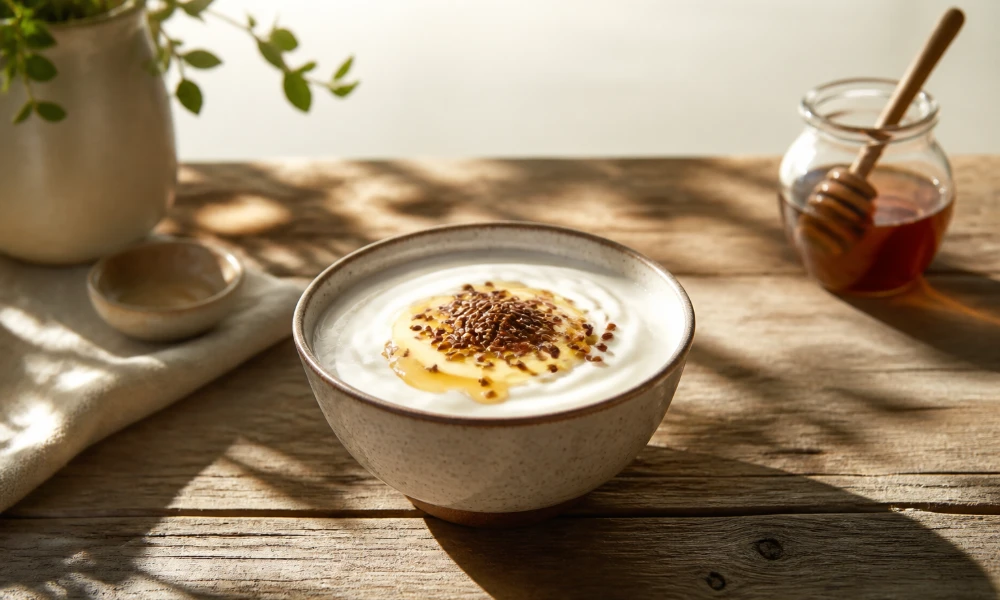
Live yoghurt, kefir, sauerkraut and kimchi introduce beneficial microbes into the gut, and there is abundant evidence that they support a healthier balance of bacteria. A richer, more diverse gut in turn helps calm inflammation and strengthen the skin. Many people notice their digestion improves within weeks, and clearer, more settled skin often follows.
Introduce them slowly. A sudden flood of fermented foods can cause bloating before it brings balance. A spoonful of live yoghurt a day is a sensible starting point, building up as the gut adjusts.
Mind stress levels
Stress is not a minor footnote. The link between the mind, the gut and the skin is well recognised, and flares frequently track with pressure at work or poor sleep.
Simple habits help. Regular sleep, daily movement, and a few minutes of slow breathing can lower the internal tension that so often comes before an outbreak. Calmer months tend to bring calmer skin, and this pattern is hard to ignore.
Scratching is part of the stress loop too. The itch raises anxiety, the anxiety worsens the itch, and the cycle feeds itself. Keeping nails short, using cool compresses, and finding a distraction in the worst moments can break that loop before it damages the skin further.
Make the most of omega-3 and vitamin D
Two nutrients stand out for skin that flares easily. Both work on the same underlying problem: inflammation.
Omega-3 fats, found in oily fish, flaxseed and walnuts, are known to calm inflammation throughout the body, and the skin is no exception. Adding more of these fats to the diet can help settle the redness and irritation that drives an eczema flare. For many people, a regular source of oily fish or a quality supplement becomes a steady ally.
Vitamin D plays a similar role. It helps regulate the immune system and supports the skin's protective barrier. A shortage of it has been linked to more troublesome eczema, and topping up a genuine deficiency has, in turn, been linked to clearer skin.
This is where a simple test earns its keep. A vitamin D blood test shows whether a deficiency is quietly feeding the problem. If levels are low, correcting them under guidance can make a real difference. If they are already healthy, that rules out one more suspect. Either way, it turns guesswork into a clear next step.
Protect the skin barrier itself
Internal work does not replace external care. Fragrance-free emollients, lukewarm baths and soft cotton clothing all reduce irritation. Applying moisturiser while the skin is still damp helps lock in water. This is basic, but it works.
The washing routine matters as well. Harsh soaps strip the natural oils that eczema-prone skin can ill afford to lose. A gentle, soap-free cleanser is a better choice, and short, warm showers are kinder than long, hot ones. Small adjustments here spare the barrier a surprising amount of daily damage.
Building Habits That Last
Eczema care is rarely about one dramatic fix. It is about small, repeated choices that shift the internal environment over time.
The key is consistency, not intensity. A single healthy week will not undo years of inflammation, but a steady rhythm slowly rebuilds the skin's resilience. Give each change several weeks before judging it, because the skin responds slowly and rewards patience.
Order matters too. Rather than overhauling everything at once, it helps to add one habit, let it settle, then build the next on top. This makes each change easier to keep and easier to measure.
A simple diary turns that effort into insight. Noting meals, sleep, and the timing of flares can reveal patterns that no clinic visit could predict. Over a few weeks, the triggers that once seemed random begin to make sense, and those patterns are personal to each individual.
A Calmer Path Forward
The gut–skin connection reframes eczema as a signal rather than a nuisance. It invites a look beyond the surface, towards the systems working underneath.
Eczema can feel like a battle fought entirely on the surface, yet its calm so often begins deep within. Tending to the gut, easing the mind, and protecting the barrier work together, each one lending strength to the others. Change may come gently and in its own time, but it does come. Every small, steady choice is a quiet act of healing, and the skin has a remarkable way of answering that care.
Heal from within, and the outside often follows.
About the Author
Haroon Ashraf is a London‑based homeopath specialising in skin and gut conditions. He combines a holistic homeopathic approach with tailored dietary and lifestyle guidance to help clients work toward long‑term improvements. Haroon has supported clients with eczema‑prone skin, acne, acid reflux and a wide range of skin and digestive concerns. His philosophy centres on addressing underlying patterns rather than simply managing surface symptoms. He can be reached via his website, London Homeopathy Clinic
Filed underGut health & IBS, Skin conditions, Sleep, Calm