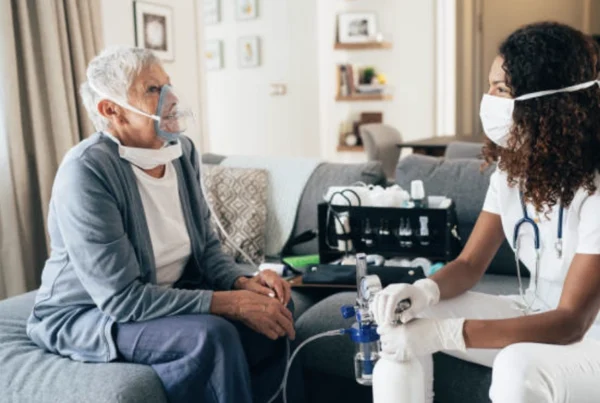
Health care no longer happens only inside a doctor’s office. Many people now manage parts of their health through phones, apps, and wearable devices. The result?
Daily habits become easier to track.
A person can check sleep, steps, heart rate, and meals with a few taps. These small pieces of information show patterns that people often overlook during busy days. Why does that matter?
It helps people notice how habits shape their health.
Someone might see that poor sleep leads to less movement the next day. Another person may notice that short walks improve mood and energy. These insights make health feel more connected to everyday choices.
And that awareness often leads to better decisions.
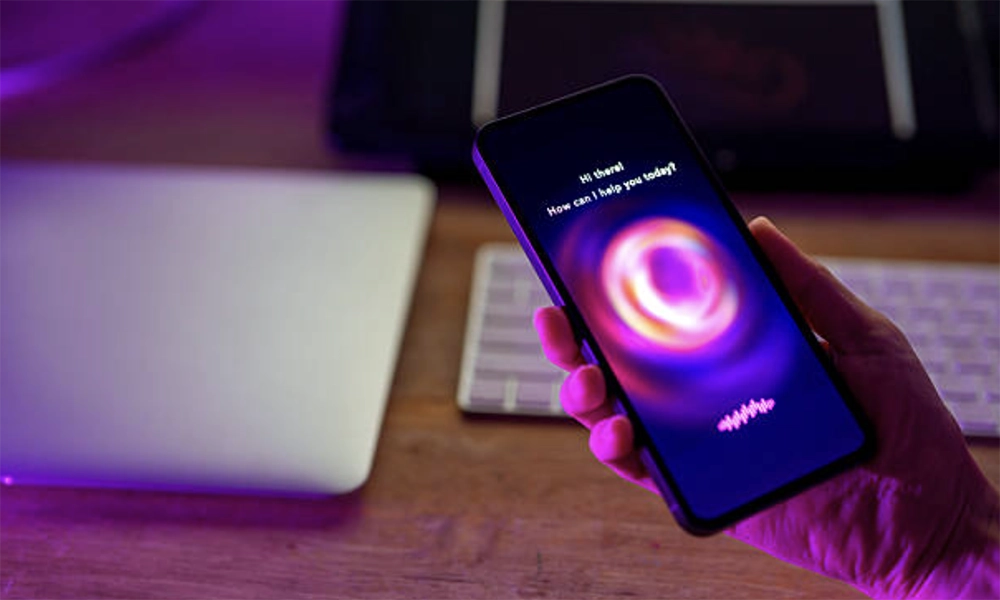
AI Assistants Are Becoming Personal Health Guides
Artificial intelligence is starting to act like a health helper in daily life. Many apps now include a self-learning AI assistant that studies patterns in sleep, activity, and food habits. So what happens when software starts learning about you?
Advice becomes more personal.
For example, an AI assistant may notice that you sleep better after evening walks. It might suggest repeating that routine several nights each week. The result?
Healthy habits become easier to repeat.
Some people use a self-learning AI assistant to track food intake or water consumption. The assistant sends reminders, suggests balanced meals, and encourages movement during long workdays. Why is that important?
It adds gentle guidance without feeling overwhelming.
Health support becomes part of everyday life instead of something that happens only during doctor visits.
Weight Management Treatments Are Changing
Doctors now have new tools to help patients manage weight. These treatments work alongside lifestyle changes like better nutrition and regular activity. The result?
Weight management feels more achievable for many people.
One treatment doctors often discuss today is Semaglutide for medical weight management. This medication helps control appetite and slows digestion so people feel full longer after eating. Why does that matter?
People often eat smaller portions naturally.
Take Rachel, for example. She struggled with constant hunger while trying to lose weight. After starting Semaglutide for medical weight management under medical supervision, she noticed meals satisfied her sooner.
That small change helped her stay consistent with healthier eating.
Progress started to appear slowly but steadily.
Understanding New Medications Helps Patients Decide
New medications can sound confusing at first. People often hear different names and wonder how they compare. So what happens when patients want clearer answers?
Doctors break down the differences.
Many clinics now spend time discussing Tirzepatide vs Semaglutide, explained in simple terms. Both medications help manage weight by influencing hunger signals in the body. The result?
Patients can better understand their options.
A patient named Kevin who has struggled with weight for years. During a consultation, his doctor gave him a document titled, “Tirzepatide vs Semaglutide Explained,” using plain language and visual charts.
Kevin leaves the appointment feeling informed instead of confused.
That understanding makes treatment decisions easier.
Technology Helps Track Progress Between Appointments
One challenge with health treatment is staying consistent between doctor visits. Technology now helps fill that gap. Why does that matter?
Progress becomes easier to monitor.
Many health apps track weight changes, activity levels, and nutrition habits daily. When someone uses Semaglutide for medical weight management, these tools help doctors see how lifestyle habits influence results.
The result?
Appointments become more focused.
For example, Daniel uses an app connected to his treatment program. The app tracks steps, meals, and weekly weight changes. At his next appointment, the doctor reviews the data and notices progress during weeks when Daniel sleeps at least seven hours.
That information helps guide small adjustments.
Sometimes better sleep becomes part of the treatment plan.
The Future of Health Management Is Personal
Health technology continues to grow quickly. More tools now combine digital tracking, AI guidance, and medical care in one place. So what happens when these systems work together?
Care becomes more personalized.
A person may use a self-learning AI assistant to track habits while also discussing medication options like Semaglutide with their doctor. Some clinics also explain Tirzepatide vs Semaglutide so patients feel confident about treatment decisions.
The result?
Patients become active participants in their health journey.
Technology does not replace doctors.
Instead, it gives people more insight into how their daily habits influence their health. When patients understand those patterns, they often feel more motivated to make small changes.
And those small changes can add up over time.