






Hidden Risks in Tap Water and How Filtration Helps
-
- January 13, 2026

For the large number of families in Australia, turning on the kitchen faucet and pouring a glass of water is a very common, routine process. The country can be considered lucky to have its municipal water supply treated very adequately to ensure high safety standards, so that it can be drunk as soon as it is delivered.
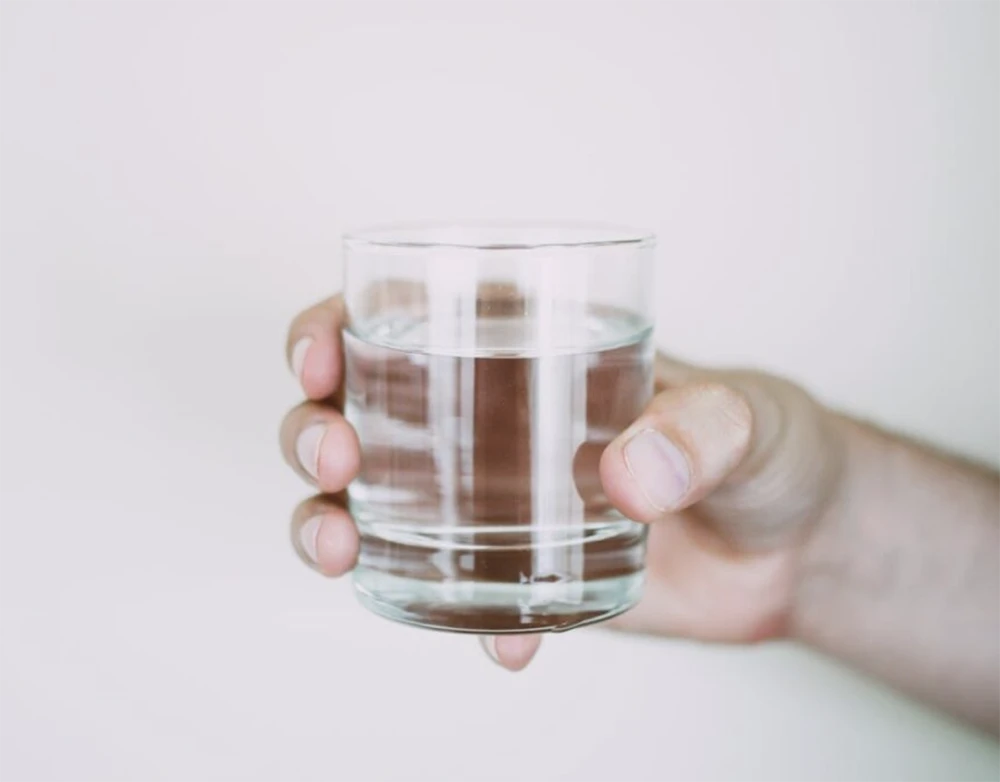
Photo by Lisa from Pexels
Nevertheless, parents have been starting to make a distinction between water that is considered legal or safe to drink, and water that promotes healthy living. There has been a growing trend among parents to investigate or scrutinize what exactly lingers in the water.
For such families, the decision of which home water filtration system to purchase is not a warning or a threat. On the contrary, this decision can be seen as a preventive measure and a precaution in terms of health.
What’s Commonly Found in Household Tap Water?
Although water treatment plants are an essential service provided in municipalities, it must travel quite a ways before reaching the kitchen of any family. In order to keep it from harboring bacteria along the way, it is typically treated with disinfectants such as chlorine or chloramines. These are excellent at destroying bacteria, but they always tend to carry with them a strong medical taste or smell.
Apart from these disinfectants, some other chemicals may be trace residues. These include “forever chemicals” known as PFAS, which are tracked by the Australian Department of Health. In addition to that, the state of domestic plumbing systems may also introduce some new factors.
In older plumbing systems, there could be leaching of heavy metals like lead, copper, and so on. Fine sediment and rust could be accumulated as well. Although their presence in water does not cause any serious issue, many parents would rather not be exposed to their accumulated effect for so many years.
Why Children May Be More Vulnerable to Water Contaminants
The effect of water quality can be more prominent in children than in adults. This is primarily because children are not just miniature adults. Children have a different physiology. This physiology makes them more vulnerable to the surroundings they are in. Children consume more water per kilogram of body weight than adults. Children can ingest more trace pollutants per kilogram of body weight than adults.
Moreover, as their bodily organs and systems are developing, their body might be less able to process and eliminate certain chemicals compared to adults. The Harvard T.H. Chan School of Public Health cited studies showing certain water contaminants affecting developmental milestones and/or endocrine systems.
Rather, through concentrating efforts in risk reduction during this crucial period, it helps in lowering the chemical load present in a child’s system. This strategy targets creating a cleaner environment for the child without dwelling on frightening stories.
Taste, Smell, and Hydration: The Overlooked Health Factor
One aspect of water quality, which is significant but not frequently given importance, is the effect of water quality on drinking habits for hydration purposes. If, in a house, water in the tap is discolored and smells strongly of chlorine, or contains a metallic aftertaste, children tend to avoid drinking water in such conditions, resulting in an increased tendency to opt for sweet juice or soft drinks, which come with a different health concern altogether.
The World Health Organization further explains, “The aesthetic quality of water, its taste and odor, play a primary role in determining an individual’s consumption level of water. Children can be encouraged to drink water throughout the day when it has a fresh and clean taste.”
Hydration is key to maintaining the level of focus and physical vitality in any child. The parent does not only engage in water purification when they eliminate unwanted tastes. The parent is aiding in the development of a healthy drinking culture in their children.
How Water Filtration Can Reduce These Risks
Good water filtration is the last line of defense against pollution once the water is in the home. Although the main sources of water pollution are dealt with by treatment centers, a water filtration system can provide protection from local sources such as old pipes or chemical contaminants.
Contemporary systems rely on specialized media, for example, activated carbon or precision membranes, designed for removing a range of contaminants. The contaminants include chlorine reaction products, fine sediment, and specific heavy metals. The system is intended for use as a second level of protection that can be supplemented with public water treatment.
However, the performance of these filters is largely dependent on two aspects – independent certification and proper maintenance. A filter also has the capacity to capture particles. However, once that capacity is surpassed, it can no longer work effectively. Thus, it is as essential to understand the maintenance aspect associated with it as it is to make that initial decision to install it.
Choosing the Right Water Filter for a Family Home
Choosing an effective filtration system entails an evaluation of needs in a house. For instance, a family will automatically use more water compared to an individual, and therefore the rate of flow and filter lifetime become relevant in the process of selection.
Moreover, family members must look into how easily they can maintain it. A system that is difficult to keep up with can very easily fall by the wayside, and it can affect the quality of the water being produced. Reliability can easily top the list, especially for families with busy lives.
Another advantage lies in checking if the system complies with appropriate standards in relation to contaminant reduction in Australian standards. This helps ensure that the filtration process does have the desired effect, which is currently promised through the packaging.
Maintaining Filter Performance Over Time
It is all too easy to have a “set it and forget it” mentality after installing a filter. Nevertheless, as the filter materials become full of the contaminants removed, it will begin to hinder the perfect functionality of the filter. This may occur in the form of slow water flow or the return of undesirable elements.
Using a certified Billi water filter replacement ensures that the filter continues to work within its optimal performance level. Through the proper and specific replacement cartridges, individual users are able to ensure that their water quality remains high and that all parts are correctly seated within the filter.
Making Informed Water Choices for Long-Term Family Wellbeing
Managing water quality is one aspect of a larger responsibility to health promotion. Like choosing healthy foods, it is a modest, day-to-day decision that can positively impact health over a long period of time. By staying informed and periodically reviewing the water quality in the home, parents can use evidence-based decision-making to support their family’s wellness over the long term.
The ultimate goal is to move away from uncertainty and toward a state of confidence regarding what the family consumes. This could be as simple as reviewing local water reports or taking a look at what’s in place for filtration in the current home. These steps afford a household the opportunity to have cleaner, better-tasting water as part of a healthy lifestyle.
- About the Author
- Latest Posts

Our Editorial Team are writers and experts in their field. Their views and opinions may not always be the views of Wellbeing Magazine. If you are under the direction of medical supervision please speak to your doctor or therapist before following the advice and recommendations in these articles.