Perimenopause is a natural phase that happens before menopause, but it can bring changes that feel confusing and unexpected. A woman may notice shifts in sleep, energy, mood, weight, or menstrual cycles without fully understanding the cause. These changes can affect daily routines and make it harder to feel like herself.
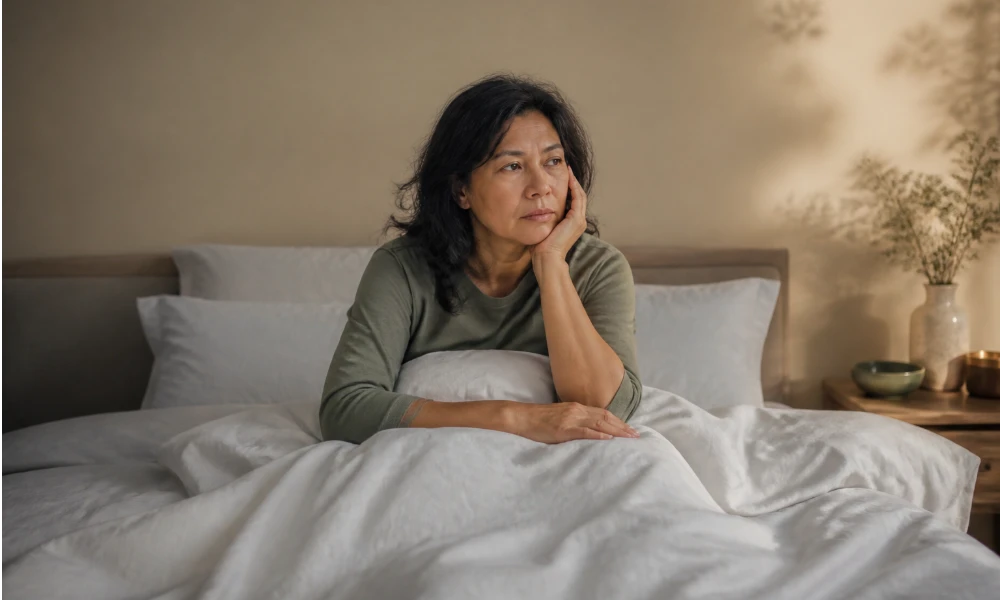
Although this transition is normal, every woman experiences it differently. Some women notice mild symptoms, while others face concerns that affect their comfort and well-being. Professional support can help women understand these changes and find solutions that fit their individual needs. This article explains how specialized hormonal care helps women move through perimenopause with greater confidence and peace of mind.
A Personalized Evaluation Helps Identify Hormonal Changes
A female hormone specialist starts with a detailed review of symptoms, medical history, lifestyle habits, and health goals. This process helps uncover patterns that may relate to hormonal fluctuations associated with perimenopause. Instead of focusing on one concern, the provider looks at the complete health picture.
Women may experience sleep disturbances, low energy, mood shifts, or changes in body composition at the same time. Through careful discussions and, when appropriate, laboratory testing, specialists gather information that helps guide treatment decisions. This personalized evaluation creates a strong foundation for effective care.
Individualized Care Plans Address Unique Needs
Perimenopause does not affect every woman in the same way. For that reason, treatment plans should reflect personal symptoms, health history, and wellness goals. A tailored approach helps ensure that recommendations match individual needs.
Care plans may include hormone optimization, nutrition guidance, and lifestyle recommendations that support overall wellness. Providers adjust these strategies based on each woman’s situation rather than relying on a general solution. This personalized care helps women feel supported throughout the process.
Several Areas of Health Receive Special Attention
Perimenopause can influence multiple aspects of health at the same time. Specialized care helps women address these concerns through a structured approach.
Some common areas of focus include:
- Sleep quality and nighttime comfort
- Daily energy levels
- Emotional wellness and mood balance
- Mental clarity and concentration
- Weight and metabolic health
- Sexual wellness concerns
- Bone health support
- Heart health awareness
By addressing these areas together, providers can create a more complete wellness strategy. This approach supports both current comfort and long-term health goals.
Regular Follow-Ups Help Maintain Progress
Hormonal health can change throughout the perimenopausal years, which makes ongoing care important. Follow-up appointments allow providers to review progress and adjust recommendations when necessary. These visits help ensure that care continues to meet changing needs.
Women also have the opportunity to discuss new concerns and ask questions about their symptoms. Even small adjustments can improve comfort and support better outcomes. Consistent follow-up care helps women stay focused on their wellness goals.

Expert Guidance Builds Confidence and Peace of Mind
Perimenopause can feel less overwhelming when women understand what is happening in their bodies. A qualified female hormone specialist explains hormonal changes in a clear and practical way, helping women make informed health decisions.
Knowledge plays an important role in building confidence. Women feel more comfortable when their concerns receive proper attention, and their care reflects their personal needs. Professional support provides reassurance and helps create a positive experience throughout this transition.
Perimenopause is an important life transition, but it does not have to create uncertainty. Personalized evaluations, individualized care, and ongoing support can help women better understand their symptoms and improve their overall well-being. With the right guidance, women can move through this stage with greater confidence, clarity, and control over their health.
- About the Author
- Latest Posts

Our Editorial Team are writers and experts in their field. Their views and opinions may not always be the views of Wellbeing Magazine. If you are under the direction of medical supervision please speak to your doctor or therapist before following the advice and recommendations in these articles.