
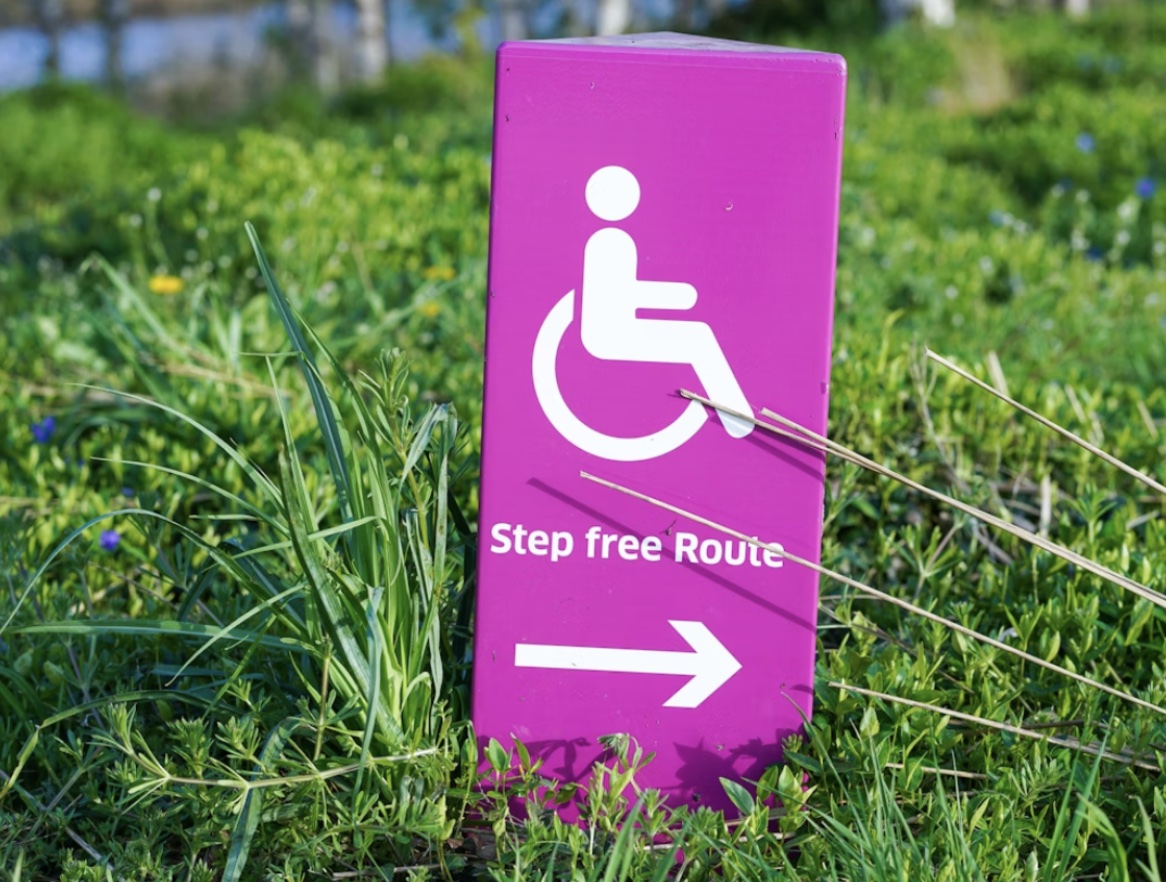
Imagine walking through a city where every corner feels open to you. It is not just about the pavement or the trees. It is about how the whole environment makes you feel inside.
When people move through their day without hitting physical walls, their stress levels drop significantly. A city built for everyone lifts the mood of the entire community. This is why accessibility is a major factor in modern urban health.
It turns a group of buildings into a home for every single person. Designing for all residents builds a strong sense of belonging and peace of mind.
Rethinking City Streets for Better Health
Designers are now looking at how street layouts impact our daily lives. A public forum noted that well-designed streets improve safety plus help boost air quality for everyone. These changes make it easier for people to walk and enjoy their surroundings.
When a street is safe, residents feel more connected to their neighborhood. This leads to more physical activity and better heart health over the long term. Simple changes like wider paths encourage more people to leave their cars at home.
The Social Impact of Smart Mobility
Moving around a city should be a right rather than a privilege. A recent study pointed out that mobility barriers often create exclusionary environments for many people. These obstacles stop people from reaching jobs or visiting friends.
If someone cannot use a bus or a train, they miss out on the best parts of urban living. This isolation can lead to mental health struggles as people feel cut off from their peers. Removing these barriers is a necessary step for social equity and happiness.
Reliability in Urban Vertical Transport
Large cities in Michigan face unique challenges when it comes to keeping tall buildings open to the public. Finding a reliable commercial elevator service in Detroit, MI helps property owners maintain safe access throughout their facilities. This level of care means that no one gets left behind on the ground floor.
Property managers must prioritize these systems to support a diverse group of tenants and visitors. Regular maintenance prevents unexpected breakdowns that could trap or exclude residents. A working lift is a bridge to the upper levels of city life.
Measuring Global Success in Inclusivity
Global data shows that we still have a long way to go to make our world fully accessible. A global report shared that only 4 percent of indicators for inclusive progress are currently on track. This number shows that many cities are falling behind on their promises.
We need to work harder to meet the needs of all citizens. Modern tools and better planning can help close this gap. Governments must look at these numbers as a call to action for better design. Increasing this percentage will require dedicated effort from local leaders.
Designing for Mental and Physical Ease
Clear paths and simple signs take the guesswork out of navigating a busy city. When a person knows they can get where they are going, their confidence grows. This ease of movement is a huge win for mental well-being.
It reduces the anxiety often felt in crowded or confusing spaces. People feel more in control of their day when the path is clear and well-marked.
- Wide sidewalks for wheelchairs and strollers
- Bright lighting for nighttime safety
- Tactile paving for those with visual needs
- Lowered counters in public offices
These small adjustments make a huge difference in how we interact with our world. They prove that a city cares about the comfort of its residents. Simple fixes often lead to the biggest improvements in daily life.
Making these changes shows a commitment to every resident, regardless of their physical ability. It builds a culture where everyone is welcome and respected.
Future Proofing Our Urban Spaces
Building for the future means thinking about every stage of life. Children and seniors need the same level of access as anyone else. As our population gets older, these design choices will matter even more.
We must start building these features today to avoid high costs later. It is an investment in the long-term health of our community. High-tech solutions like app-based navigation can also help people find the best routes.
Smart cities use data to find out where barriers exist and fix them quickly. Better integration with public transit makes the whole city more reachable.
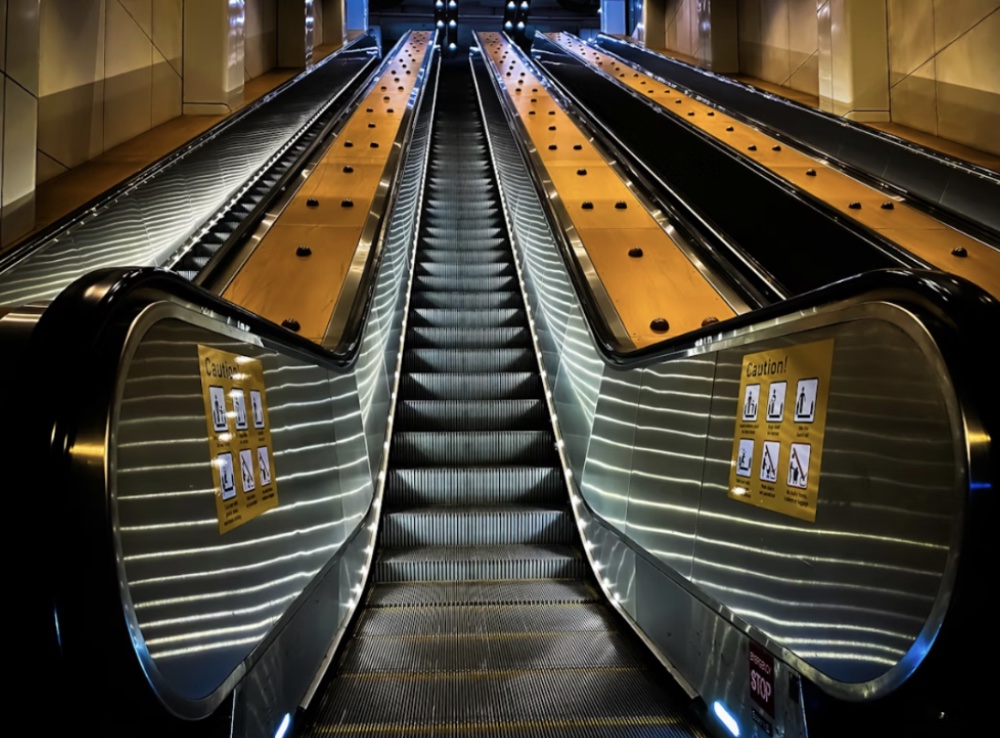
Creating a city that works for everyone is a big task. It requires looking at everything from the width of a sidewalk to the speed of a lift. These changes do more than just help people move around.
They build a sense of belonging and respect among neighbors. When we remove barriers, we open up new opportunities for joy and connection.
A truly accessible city is a place where everyone can thrive. We all benefit when our surroundings are built with kindness and care in mind. Strong communities start with inclusive design.
- About the Author
- Latest Posts

Our Editorial Team are writers and experts in their field. Their views and opinions may not always be the views of Wellbeing Magazine. If you are under the direction of medical supervision please speak to your doctor or therapist before following the advice and recommendations in these articles.