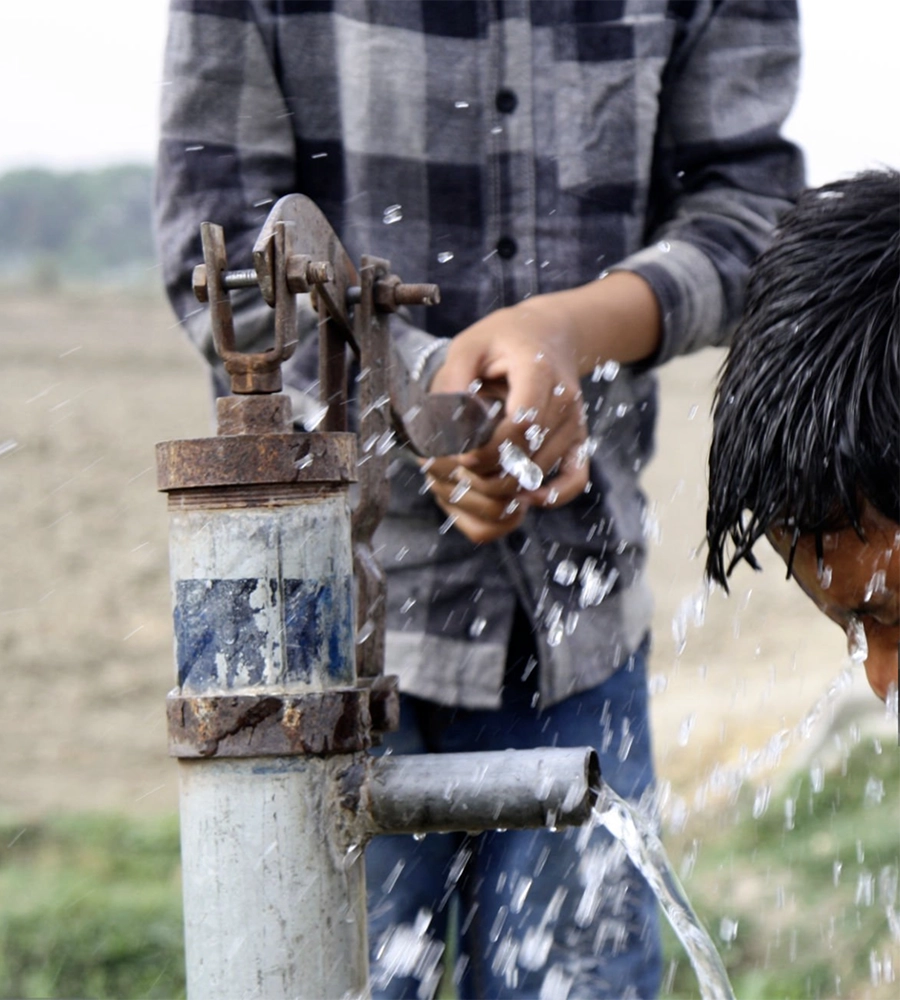
Access to safe drinking water remains a major challenge for many rural villages in Southeast Asia, with millions still relying on unreliable or contaminated sources. Nonprofits are actively making a difference by installing water filtration systems, creating wells, and running hygiene programs that directly improve daily life in these communities. Your support to donate for clean water can empower these organizations to reach even more villages with sustainable water solutions and better health outcomes.
Beyond technology, these organizations also educate local residents on proper sanitation and work on climate adaptation strategies to ensure water sources remain viable in the long term. If you’re looking to make a tangible impact, exploring trusted options to donate for clean water will help bring life-saving resources to those who need it most.
Key Takeaways
- Nonprofits are providing reliable drinking water to rural Southeast Asian villages.
- Climate adaptation and community education are key parts of sustainable water access.
- Your decision to donate for clean water can transform lives.
How Nonprofits Are Delivering Safe Drinking Water to Rural Villages in Southeast Asia
Nonprofits play a critical role in improving clean water access in rural Southeast Asia. Their work addresses both the immediate need for safe water and the long-term sustainability of water systems in underserved communities.
Access Challenges for Rural Communities
You often encounter significant obstacles when seeking clean drinking water in rural Southeast Asia. Common challenges include poor infrastructure, remote locations, and unreliable local water sources that may be contaminated with bacteria, parasites, or chemicals.
Seasonal changes, such as droughts or heavy monsoons, can disrupt water supply. For some villages, economic constraints make it difficult to afford or maintain water purification systems and wells.
In many cases, the lack of government oversight leaves communities with limited support for water quality monitoring. These barriers can contribute to waterborne diseases and ongoing health issues for rural populations.
Approaches and Technologies for Clean Water
Nonprofits deploy a variety of solutions to address water quality in rural communities. Common approaches include the installation of deep bore wells, gravity-fed water systems, and rainwater harvesting units. Filtration technologies, such as ceramic or biosand filters, are often used where infrastructure is minimal.
Solar-powered pumps provide electricity-free operation, which is crucial for off-grid villages. Water testing kits and treatment tablets are distributed to help households monitor and improve water safety on a small scale.
Local adaptation is key. For example, in areas with arsenic-contaminated groundwater, nonprofits may install piped systems drawing from safer surface water sources rather than relying on shallow wells.
Community-Led Implementation and Training
You will notice that nonprofits typically prioritize community engagement to ensure sustainable outcomes. They work with village committees to plan, manage, and maintain water projects.
Training is provided on water system maintenance and the importance of hygiene practices. This empowers local residents to operate their own facilities and carry out minor repairs, reducing dependence on outside technicians.
Village leaders and women’s groups are often directly involved, increasing trust and adoption of new systems. Educational programs focus on safe water storage, handwashing, and prevention of waterborne illness.
Measuring Impact and Sustainability
Nonprofits use a range of tools to track impact and ensure the long-term benefit of clean water interventions. Regular water quality assessments and household surveys help evaluate changes in health and water availability.
You may encounter models where local water committees collect small user fees, which fund ongoing repairs and upgrades. Data-driven monitoring allows nonprofits to identify problems early and provide targeted support as needed.
Long-term sustainability is improved by promoting local ownership and ensuring access to spare parts and technical advice. Transparency and regular reporting help build trust with both communities and donors, supporting continued investment in rural clean water projects across Southeast Asia.
Climate Adaptation and the Future of Water Access in Southeast Asia
Safe drinking water in Southeast Asia’s rural villages is shaped by climate change, collaboration across borders, and new technologies. Addressing unpredictable weather and rising temperatures, nonprofits are working alongside partners to maintain reliable water access for the most vulnerable communities.
Responding to Climate Change Impacts
Climate change makes water security more challenging throughout Southeast Asia. Extreme weather events, such as floods and droughts, are becoming more frequent and severe. These conditions threaten existing water sources and, without intervention, could reduce clean water accessibility for rural villages.
Nonprofits are adapting by designing solutions for local climate risks. For example, they improve water storage to manage unpredictable rainfall and promote systems that filter and purify water after storms or periods of contamination.
Practical actions include education programs about safe water practices during emergencies and installing pumps that function even when grid power fails. As rainfall patterns shift, your community’s water infrastructure must remain flexible and robust.
Building Water Resilience through Regional Partnerships
Regional collaboration is vital for effective climate adaptation. Southeast Asia Partnership for Adaptation through Water (SEAPAW) brings together nonprofits, governments, financial institutions, and technical experts to strengthen water resilience across borders.
You might see projects like the Clean Water Access for Rural Communities initiative in Sarawak, which pools expertise from organizations such as the Singapore Water Association and the Malaysian Water Association Sarawak Branch. These projects share resources, data, and technical know-how.
Table: Key Partners in Water Resilience Efforts
| Partner Organization | Role |
| Singapore International Foundation (SIF) | Regional coordination |
| World Economic Forum (WEF) | Knowledge sharing, best practices |
| Local Water Associations | Community-based implementation |
Such alliances accelerate progress and enable a unified response to shared climate threats.
Innovations for Sustainable Water Supply
Innovative solutions are central to maintaining and expanding safe water access. Solar-powered pumps, rainwater harvesting systems, and low-cost filtration technologies allow your community to adapt to a changing climate without relying solely on traditional infrastructure.
Digital monitoring platforms now track water quality and usage, alerting you to contamination or shortages in real time. These tools help nonprofits and local leaders respond quickly and prevent small issues from becoming widespread problems.
A focus on long-term sustainability ensures that systems not only meet today’s needs but remain effective as climate patterns continue to change. You benefit most when new technology is paired with community training and reliable maintenance support.
Conclusion
You have seen how nonprofits use local partnerships, education, and technology to provide rural villages in Southeast Asia with safe drinking water. These organizations tackle challenges such as infrastructure gaps and limited resources with practical and community-driven solutions.
Their efforts result in improved hygiene, better health outcomes, and more opportunities for people in these regions. By supporting and adapting to community needs, nonprofits continue to make a measurable difference in access to clean water.