How Can Home Building Improve Your Living Space?
Here's the thing: your home needs to support you, not work against you every single day. Those tight corners, awkward floor plans, and designs that feel stuck
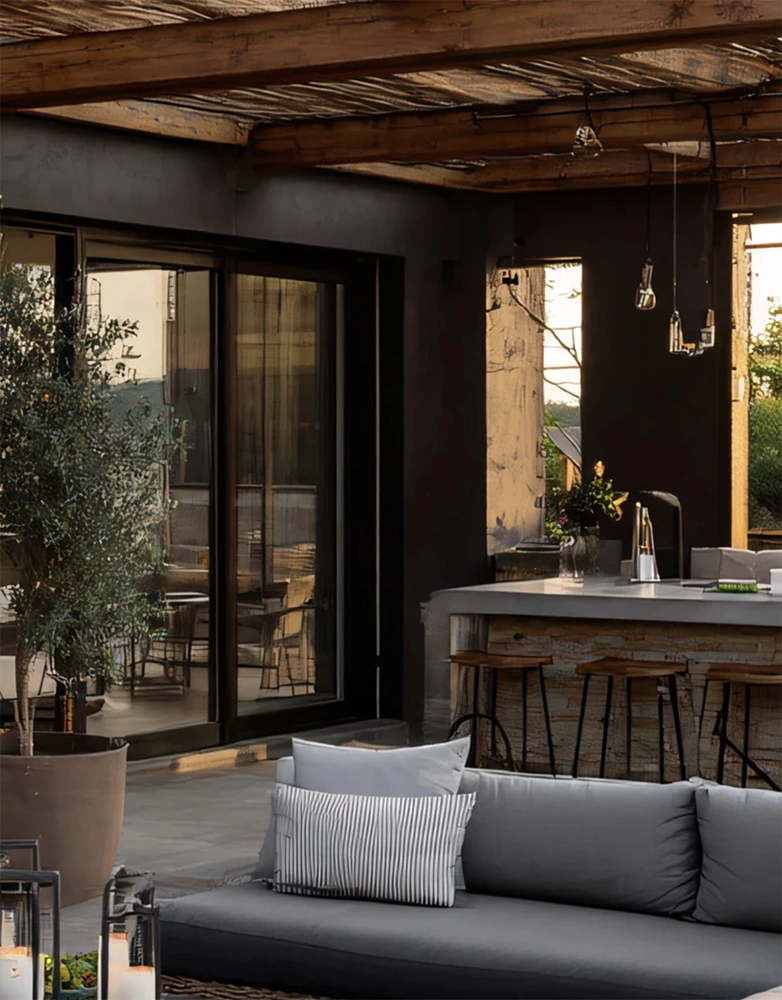
Here's the thing: your home needs to support you, not work against you every single day. Those tight corners, awkward floor plans, and designs that feel stuck in another decade? They chip away at your quality of life bit by bit.
Smart home building tips paired with well-planned renovations can genuinely revolutionize the way you live. When you improve living space using thoughtful construction decisions, you're doing more than tacking on extra rooms, you're building an environment that fits your actual life, cuts down daily stress, and could seriously boost what your property's worth down the line.
Home Building Tips to Maximize Your Living Space Potential
The construction choices you make now echo through your home for decades. Planning a complete overhaul or just thinking about targeted additions? Either way, grasping the core principles means you'll squeeze real value from every dollar spent.
Let's talk numbers for a second. The financial payoff can be genuinely impressive. According to the 2021 edition of What Home Buyers Really Want, the average buyer is willing to pay as much as $9,292 more upfront for a home to save $1,000 annually on utility costs. That's not pocket change.
Austin, Texas? It's absolutely exploding as one of America's most dynamic markets for building and renovation work. The city offers this really special combination, urban energy meets natural landscapes, which opens up unique possibilities if you're looking to elevate your living situation. And here's what matters: Central Texas comes with its own climate quirks and building regulations that local professionals know like the back of their hand.
Sometimes the answer is looking up rather than spreading out across your lot. In residential construction austin tx, homeowners often explore adding a second story to gain substantial extra footage—though you'll need a structural evaluation to confirm your foundation can support the additional weight. Finishing your basement provides another direction to grow that typically costs less than building upward.
Smart Space Planning Before Breaking Ground
Real talk: you probably don't need more space. You need space that works better. Mapping out exactly how you'll use each room often uncovers possibilities you hadn't considered. Multi-functional design means one area can shift purposes as your day unfolds or your circumstances evolve.
And flow? It matters way more than total square footage. When rooms connect in ways that make sense and movement feels intuitive, even compact homes feel open and inviting.
Vertical Space Expansion Strategies
Cathedral ceilings deliver that sense of grandeur without technically adding usable space. They work especially well in areas where people gather, the airy quality just enhances the social atmosphere.
Now that you've got a handle on the structural angles for expanding space, let's dig into contemporary design thinking that doesn't just make your home bigger but actually improves how you experience living there.
Modern Home Design Trends That Enhance Functionality
Current modern home design philosophy centers on how spaces affect you emotionally and practically, not merely their visual appeal. Today's approaches marry aesthetics with tangible improvements that genuinely upgrade everyday living.
Biophilic Design Elements
Natural light does way more than illuminate your rooms, it influences your mood, your sleep quality, your overall well being. Thoughtful window placement floods spaces with daylight while controlling heat gain, which really matters when you're dealing with long, scorching summers. Living walls and houseplants boost air quality while adding compelling visual layers.
Materials pulled straight from nature, think wood, stone, bamboo, introduce organic textures that create warmth without tipping into rustic territory or feeling dated.
Flexible Room Configurations
Your life changes constantly, right? So why should your rooms stay static? Movable partition systems let you reshape spaces as kids grow, work arrangements shift, or household composition changes. Murphy beds and furniture that transform prove that limited square footage can handle multiple roles without creating visual chaos.
This flexibility becomes incredibly valuable when homes need to serve remote work demands, expanding families, or elderly parents moving in.
Minimalist Architecture for Maximum Impact
Clean lines combined with purposeful design help every square foot pull double duty. Storage built directly into walls essentially vanishes, eliminating bulky furniture pieces that eat up floor area. Strategic color selections influence how large rooms appear, lighter shades typically expand perceived space, while richer tones can make cavernous rooms feel more intimate and grounded.
These design concepts really come alive when you apply them to particular parts of your home, so let's break down room-specific transformations that deliver the biggest bang for your investment.
Home Renovation Ideas to Improve Living Space Quality
Focused renovations often deliver stronger returns than trying to redo your entire home at once. Concentrating on high-impact areas lets you improve living spaces in stages while keeping budgets manageable. In fact, the vast majority of home builders and remodelers actively enhance home performance through energy, water, and materials efficiency, healthier indoor environments, resiliency, and providing operation and maintenance guidance for green features—showing a clear focus on performance improvements
Kitchen Expansion and Modernization
Kitchens reliably rank among the most valuable home renovation ideas you can pursue. Adding an island creates extra workspace while offering casual seating spots that naturally encourage family connection. Open concepts linking kitchens to living zones make homes feel dramatically larger while supporting how people actually live now, cooking and socializing happen at the same time, not in isolation.
Walk-in pantries solve storage headaches while keeping your countertops clear and visually clean.
Bathroom Upgrades That Add Space and Value
Primary bathroom renovations bring both indulgence and practical functionality. Wet room designs maximize tight square footage by removing traditional shower boxes, creating flowing spaces that feel expansive and spa-inspired. Universal design touches like curbless entries and strategically placed grab bars improve accessibility without sacrificing style, which becomes crucial if aging in place is part of your long-term plan.
These physical renovations reach their full potential when you layer in smart technology that makes your enlarged spaces function more intelligently, not just look bigger.
Maximize Home Space Through Smart Technology Integration
Building technology into construction or renovation upfront costs dramatically less than trying to add it later. Smart systems aren't just about convenience, they can literally eliminate physical objects and furniture pieces, effectively creating space without swinging a hammer.
Home Automation Systems
Voice-activated lighting and climate controls remove the need for multiple wall switches and thermostat units cluttering your walls. Maximize home space by integrating motorized window treatments that tuck away into ceiling pockets when you don't need them. Smart storage featuring automated mechanisms means accessing items stored in awkward spots doesn't require ladders or step stools anymore.
These systems also gather usage data that reveals how you actually inhabit your space, which informs smarter future improvements.
Space-Saving Smart Solutions
Compact appliances now deliver full performance without overwhelming your rooms. Concealed charging stations eliminate cord tangles while keeping devices ready to go. Automated furniture, beds that lift into walls, desks that fold completely away, create rooms that instantly shift from sleeping areas to offices to entertainment zones.
And here's where it gets interesting: don't restrict your thinking to indoor walls. Some of the most dramatic space improvements happen when you blur the lines between inside and outside.
Final Thoughts on Transforming Your Home
Strategic home building reshapes far more than your physical surroundings, it fundamentally alters how you move through each day. Whether you're applying home building tips to boost functionality, testing out home renovation ideas for particular rooms, or weaving modern home design principles throughout your entire property, careful planning creates benefits that stretch across decades.
Each upgrade should mirror your lifestyle while delivering authentic value. Your home represents both your biggest financial investment and your most intimate space. Make it perform exactly the way you need it to.
Common Questions About Home Building and Living Space
How much does strategic home building typically add to property value?
Quality renovation work generally returns 50-80% of costs when you sell, with certain projects like kitchen updates recovering north of 90%. Energy-smart improvements also slash ongoing utility expenses, putting money back in your pocket immediately, not just when you eventually sell.
Can I improve my living space without major construction?
Definitely. Thoughtful space planning, aggressive decluttering, upgraded lighting, and strategic furniture arrangement can radically transform how your home feels. Even something as simple as fresh paint in carefully chosen colors creates surprising visual expansion without touching structural elements.
What's the biggest mistake homeowners make when planning home improvements?
Failing to think about tomorrow's needs. Your home should adapt to shifting life phases, growing families, remote work setups, aging-in-place features. Planning with foresight prevents expensive do-overs and ensures you'll still love these improvements years from now.
Filed underStress & burnout, Cosmetic & aesthetics, United States, Nature, Sleep, Family & parenting, Home & garden sanctuary