
How Custom Stickers Found Their Way Into Modern Self-Care Routines
There's something a little funny about adults buying stickers. For most people, stickers belonged to childhood.
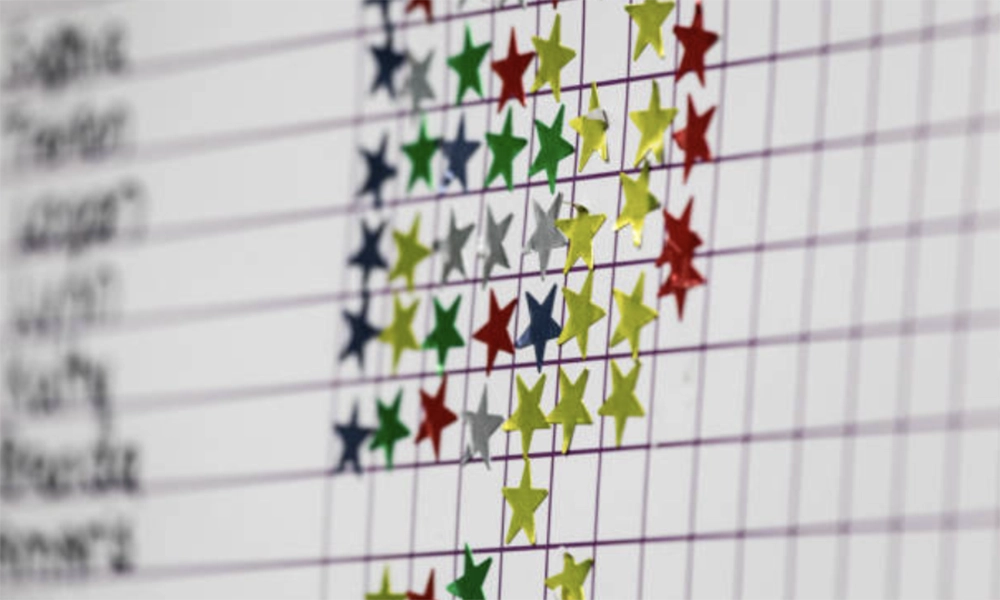
There's something a little funny about adults buying stickers. For most people, stickers belonged to childhood. Reward charts on the fridge. Gold stars from a teacher who liked good handwriting. Then somewhere along the way, stickers grew up too. They started showing up in bullet journals, on water bottles tracking daily ounces, and stuck inside planners next to meditation goals. And nobody really announced it. They just appeared.
Now, in the wellness corners of the internet, the pattern is hard to miss. People are sticking little circles and squares onto everything that helps them feel a bit more in control of their week. Habit trackers. Mood logs. Therapy notebooks. Reading goals. The stickers aren't doing anything magical, but they aren't doing nothing either. There's actual research behind why a small visual reward keeps people coming back to a habit. Custom stickers entered modern self-care routines through three shifts: the rise of habit tracking, the accessibility of small-batch customization, and growing interest in low-stakes behavioral reinforcement. Each one had been building separately, and the three converged at roughly the same time.
The Quiet Behavior Science Behind a Sticker
The behavior science angle is pretty specific. Small visual cues paired with a completed action can reinforce that action over time. This isn't new information. BJ Fogg's behavior model and the broader habit formation literature have been pointing at it for years. Each marked-off square is associated with reward signaling in the brain, the kind of low-level positive feedback that strengthens habit loops over time. It also offloads intention from working memory, which is part of why visible trackers tend to outperform mental ones. This is the first of the three shifts: habit tracking moved from a clinical tool into a daily practice, and a daily practice needs daily artifacts.
What's new is the format. People aren't waiting for a paper rewards chart from their dentist. They're designing their own. Stickeryou's custom stickers, for example, let people pick shapes, finishes, and sizes that match how a planner looks or what kind of habit is being tracked. Some go with watercolor lemons for hydration. Others use cloud icons for meditation streaks. The point is the choice itself.
Materials matter more than expected, too. Sticker formats today range from glossy vinyl to matte BOPP, kiss-cut sheets, clear, and holographic options. Vinyl tends to be the most durable for water bottles or laptops, holding up to dishwashers and sun exposure. Matte paper or kiss-cut sheets work better for journals and planners, where the surface needs to feel less plasticky. None of that detail used to matter to a casual buyer, because the casual buyer didn't really exist. Custom orders meant commercial volumes. Now low minimums, sometimes a single sheet or page, are standard. That's the second shift: small-batch customization stopped being a commercial-only privilege.
What the Research Actually Says About Art and Therapy
The therapeutic side gets oversold sometimes, so it's worth being careful. A 2018 systematic review by Abbing and colleagues, published in PLOS ONE, looked at art therapy for anxiety in adults across several randomized and non-randomized controlled trials. The findings were measured: art therapy may help with stress regulation, cognitive regulation, and emotion regulation, though the authors flagged that the evidence base is still thin and many studies carry methodological limitations. The proposed mechanism is interesting, though. Creating something, even something small, can produce a feeling of being "in control," which counterbalances the loss-of-control feeling anxiety tends to bring.
That doesn't make stickers a treatment. They aren't. But the broader category of low-stakes creative engagement, choosing colors, placing images, and marking small wins, sits inside a tradition that clinicians actually use. Picking a sticker is a low-stakes choice. Placing it is a low-stakes commitment. Both of those things matter when someone has been frozen by bigger choices for a while. This is the third shift: interest in gentle, low-stakes reinforcement has grown alongside the recognition that punishing self-talk and rigid systems often backfire.
For mood tracking, ADHD-friendly routines, or gentler scaffolding around eating or sleep habits, sticker-on-paper systems show up in self-help workbooks and clinician-recommended journals. The act of marking something done, in a way that feels gentle rather than punishing, tends to land softer than a strikethrough or a red pen. A tick mark says it got done. A sticker says good job, kind of.
Custom Designs Become a Private Language
Custom stickers add another layer because the design itself carries meaning. A person tracking sleep might want moons. Someone working on social anxiety might want few waves or open doors. The personalization isn't decoration so much as vocabulary. The user is building a private language for their own mind and then literally sticking it onto the week. This is where design flexibility actually matters. Being able to upload a hand-drawn icon, adjust the size to fit a planner grid, or pick a finish that matches the mood of the page makes the difference between a generic chart and one that feels personal.
The same principle is showing up beyond personal trackers. Mental health awareness campaigns from organizations like the National Alliance on Mental Illness have leaned on simple visual identifiers, ribbons, pins, and stickers for years because a small wearable artifact carries a message further than a poster. The execution is what determines whether it lands. Calm color palettes and a phrase that doesn't sound like it came off a corporate handout tend to outperform logos slapped on a circle. The design choices that make a personal tracker feel personal are the same ones that make a campaign sticker feel real.
Stickers in Family Wellness
For parents, the wellness angle goes a different direction. Reward systems for kids are getting more thoughtful. Instead of straight bribery, families are using stickers tied to feelings, not behavior. A calm-down chart with stickers for self-regulation moments. A bedtime chart that rewards the routine, not the falling asleep. These aren't new ideas, but the customization piece is. Parents can order stickers shaped around a kid's actual interests, which makes the chart something the child wants to engage with, rather than another adult-imposed grid.
When Tracking Tips Under Pressure
Worth thinking about: the line between gentle reinforcement and obsession is real. People with perfectionist tendencies can turn a sticker chart into another source of self-punishment when a streak breaks. That's a known issue in habit-tracking broadly, not specific to stickers, though the visual permanence makes it more obvious. A missed day on a tracker is just blank. A missed day surrounded by stickers feels louder. Therapists who use these methods will usually frame the system around weekly trends, not daily perfection. Five out of seven is a win, not a failure.
The Aesthetic Side and Why It Matters More Than You'd Think
The aesthetic side gets attention too. Bullet journal communities online have made sticker design into something close to an art form. Watercolor styles, minimalist line work, and vintage botanical illustrations. Any look someone wants is available, and if it isn't, it can be made. That last part has shifted things. The barrier to ordering ten copies of a custom design has dropped a lot in recent years. It used to be commercial-only. Now it's a Saturday afternoon project, with file uploads handled in a browser, custom shapes and sizes available without a setup fee, and digital proofs back within a day or two.
Small Rituals, Repeated Often
So why does any of this matter for well-being? Probably because the small things really do add up, and people have been told for a long time that real progress requires big sweeping changes. Cold plunges, 5am routines, full overhauls. Most can't sustain those. What people can sustain is a tiny ritual that feels good for fifteen seconds, repeated four hundred times. The sticker doesn't make anyone healthy. The repetition does. The sticker just helps with noticing.
The three shifts that brought stickers into self-care, habit tracking going mainstream, customization becoming accessible, and the cultural move toward gentler reinforcement are still unfolding. The format will keep evolving with them. A few practical thoughts for anyone trying this: start with one habit, not seven. Pick stickers worth looking at, because they'll be looked at often. And give the system permission to evolve. The first version of anyone's tracker is rarely the one that lasts. The point isn't the layout. It's the noticing.
Pretty specific advice, that last bit. But it's the thing most people miss when they start.
Filed underAnxiety, Cosmetic & aesthetics, Meditation & mindfulness, Sleep