
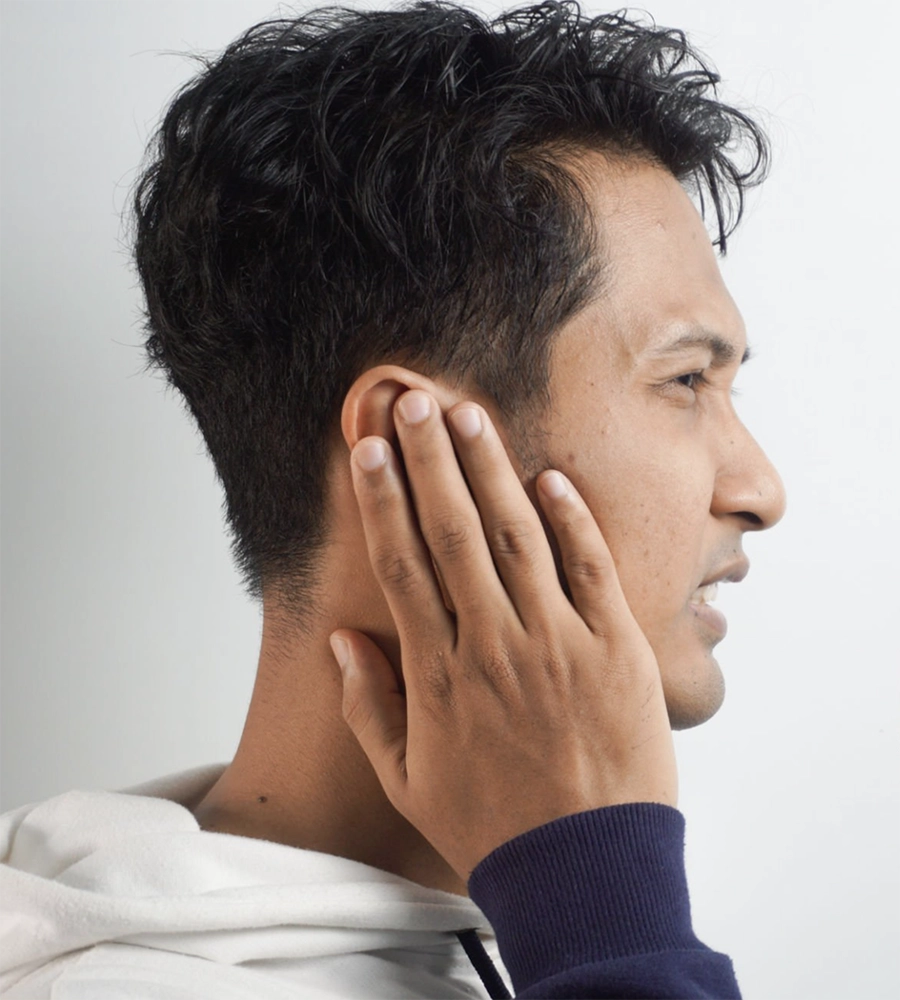
Tinnitus, often described as a persistent ringing, buzzing, or hissing sound in the ears, can significantly impact an individual’s quality of life. But how does craniosacral therapy help in alleviating these sounds? Can this alternative treatment address the root causes of tinnitus and provide lasting relief?
Craniosacral therapy (CST) focuses on the gentle manipulation of the cranial bones and the sacrum. By balancing the flow of cerebrospinal fluid and releasing restrictions in the nervous system, it aims to restore harmony within the body. Craniosacral therapy for tinnitus has been reported to bring relief by targeting the underlying causes that affect auditory health.
1. Balancing the Nervous System
Tinnitus is often linked to disturbances in the nervous system, including overactive nerve signals. Craniosacral therapy works to regulate the nervous system by applying light pressure to specific points along the spine and skull. This can help calm overstimulated nerves that contribute to the ringing sounds in the ears, offering a sense of relief. By soothing the central nervous system, CST can encourage a more balanced communication between the brain and the auditory pathways. This restoration of equilibrium is essential for minimizing tinnitus symptoms.
2. Releasing Tension in the Neck and Jaw
Tension in the neck and jaw muscles can contribute to tinnitus symptoms, particularly when there is excessive strain on the temporomandibular joint (TMJ). Craniosacral therapy targets these areas to release tightness and improve blood circulation. As a result, this release of physical tension can reduce the pressure on the inner ear and help alleviate the symptoms of tinnitus. Please quickly check a few points:
- Light manipulation of the neck and jaw area enhances relaxation.
- This can improve overall auditory function and reduce the intensity of the ringing sound.
3. Enhancing Circulation to the Ears
Improper blood flow to the ear structures can exacerbate tinnitus. Craniosacral therapy helps enhance circulation throughout the body, particularly around the head and neck regions. Improved circulation supports better oxygenation of the inner ear and surrounding tissues, which can help reduce the perception of sounds connected with tinnitus.
4. Addressing Emotional and Psychological Factors
Stress and anxiety are often triggers or contributors to tinnitus. Craniosacral therapy is known for its ability to relax both the body and mind. By gently manipulating the cranial bones, CST can relieve emotional tension, which plays a crucial role in exacerbating tinnitus symptoms. Relaxing the nervous system through CST allows individuals to reduce the psychological burden of living with constant noise, potentially reducing the severity of the symptoms.
5. Reducing Inflammation in the Ear Area
Inflammation in the ear structures, such as the cochlea or auditory nerve, can cause or worsen tinnitus. Craniosacral therapy’s gentle manipulations help reduce inflammation and improve the functioning of these sensitive structures. By addressing inflammation, CST can support the healing of damaged tissues and restore more normal auditory function.
6. Encouraging Fluid Movement Around the Brain
The cerebrospinal fluid plays a crucial role in maintaining brain and ear health. Craniosacral therapy targets the flow of this fluid, promoting smoother circulation throughout the brain and spinal cord. Proper fluid movement helps protect the delicate structures involved in hearing, thus reducing the likelihood of tinnitus. Craniosacral therapy for tinnitus helps improve the drainage of excess fluid and supports the body’s natural detoxification processes, which ensures the auditory system remains healthy and balanced.
Craniosacral therapy offers a holistic approach to treating tinnitus by targeting the root causes that affect the auditory system. Through gentle manipulation, this therapy helps restore balance, improve circulation, and reduce inflammation. By addressing both physical and emotional factors, CST offers an effective and non-invasive approach to managing tinnitus symptoms and enhancing overall ear health.
- About the Author
- Latest Posts

Our Editorial Team are writers and experts in their field. Their views and opinions may not always be the views of Wellbeing Magazine. If you are under the direction of medical supervision please speak to your doctor or therapist before following the advice and recommendations in these articles.