
The way people eat often says more about their lifestyle than they realize. In a fast-moving world where schedules change daily, food habits have become increasingly flexible. Traditional meal structures are slowly giving way to more adaptive patterns that reflect how modern individuals manage time, energy, and attention.
For many, meals are no longer strictly planned. Breakfast might be a quick bite between tasks, lunch could be a social pause or a working meal, and dinner often becomes the most intentional part of the day. This shift doesn’t necessarily mean poorer habits — it means food is adjusting to real life.
Convenience Without Sacrificing Quality
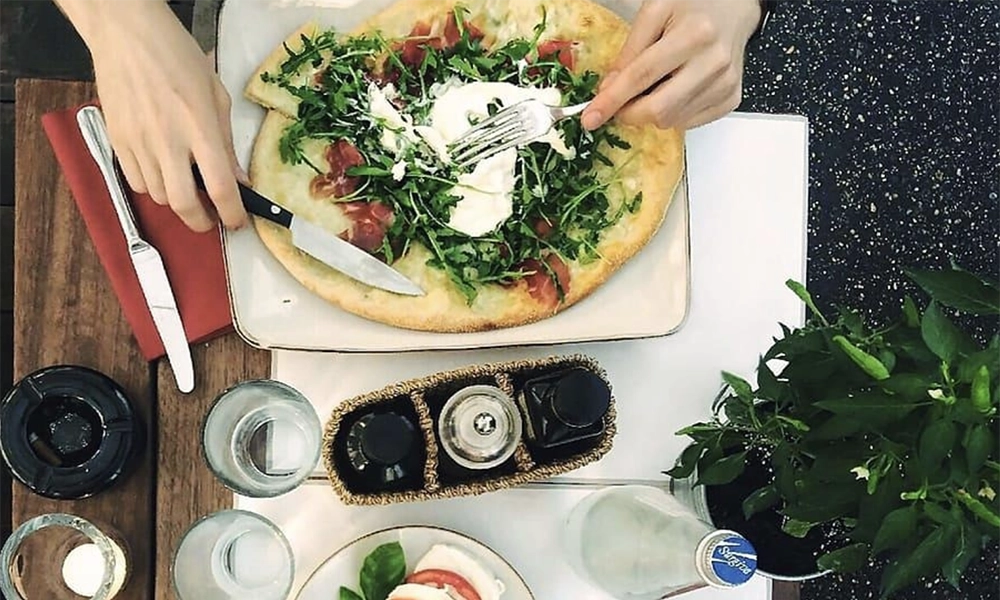
One of the biggest priorities in modern food culture is convenience. People want meals that fit into busy days without feeling rushed or careless. This has led to a rise in simple but high-quality options: fresh ingredients, quick preparation, and minimal complexity.
Cooking no longer needs to take hours to feel rewarding. A thoughtfully prepared 20-minute meal can deliver just as much satisfaction as a slow-cooked dish. The key difference lies in intention — choosing to eat well, even when time is limited.
Food as a Moment of Control
Daily life often feels unpredictable. Work demands, social commitments, and digital overload can make it difficult to feel fully in control. Food, however, offers something tangible. Choosing what to eat, how to prepare it, and when to enjoy it gives people a small but meaningful sense of autonomy.
This sense of control is similar to how people approach other leisure activities. Whether it’s reading, gaming, or engaging with digital entertainment like morgana megaways, the appeal comes from structured enjoyment — something that exists within clear boundaries and personal choice.
The Return of Simple Meals
As food trends become more complex, many people are moving in the opposite direction. Simple meals are making a comeback. Dishes with a few well-balanced ingredients feel honest and grounding, especially after long days filled with information and stimulation.
A bowl of rice with vegetables, a basic pasta dish, or a homemade soup can feel more satisfying than overly elaborate recipes. Simplicity reduces decision fatigue and allows people to focus on flavor and comfort rather than perfection.
Eating Alone Is No Longer Negative
Eating alone was once associated with isolation, but that perception has changed. Solo meals are now seen as moments of rest and reflection. Many people enjoy eating alone as a way to reset, think, or simply enjoy quiet time.
This change reflects broader cultural acceptance of personal space and mental well-being. Not every meal needs to be social. Sometimes, eating alone provides balance in lives that are otherwise constantly connected.
Digital Influence on Food Choices
Digital culture continues to shape how people think about food. Online recipes, quick cooking videos, and food recommendations influence decisions daily. However, rather than blindly following trends, many people adapt ideas to fit their own preferences.
This selective approach shows maturity in modern consumption. Food inspiration is everywhere, but people are learning to choose what actually suits their taste, schedule, and energy levels.
Listening to the Body
Perhaps the most important shift in eating habits is awareness. Instead of following rigid rules, people are learning to listen to their bodies. Hunger, fullness, mood, and energy levels guide choices more than external guidelines.
This intuitive approach reduces stress around food and promotes long-term consistency. Eating becomes less about discipline and more about understanding personal needs — a mindset that supports both physical and mental health.
Food as a Daily Anchor
At the end of the day, food provides structure. No matter how chaotic life feels, meals create natural pauses. They mark transitions between tasks, work and rest, activity and relaxation.
These moments don’t need to be perfect. What matters is that they exist. In a constantly shifting routine, food remains one of the few reliable elements — something familiar, grounding, and quietly essential to modern living.