
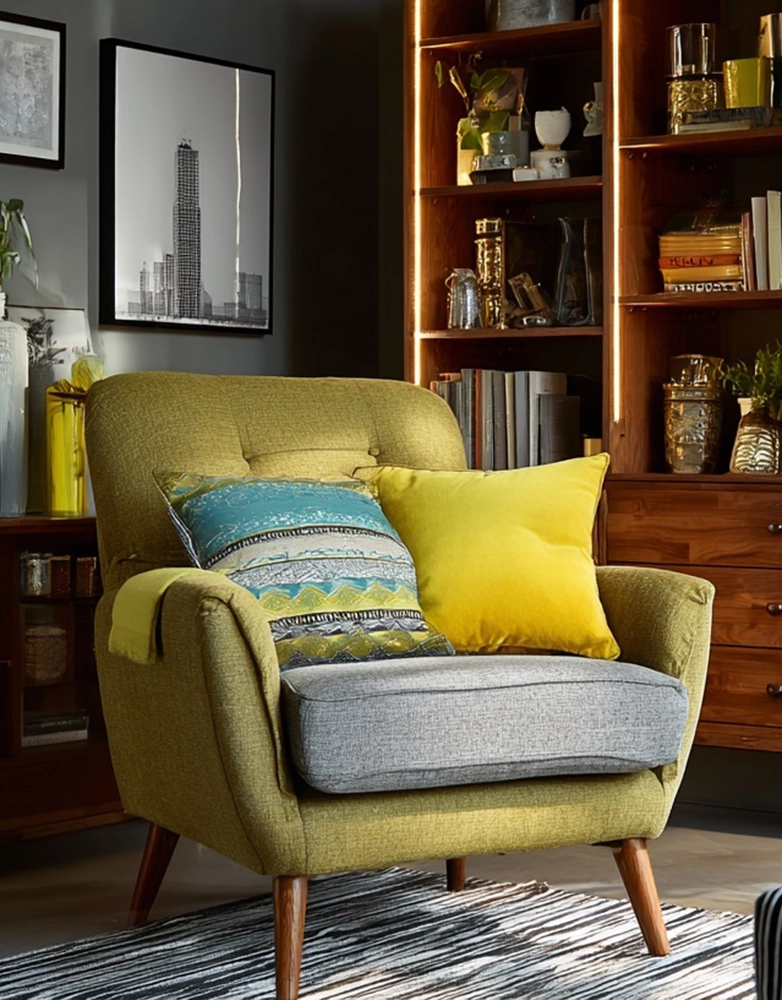
When presenting a property for sale, first impressions are everything. The way a home is styled, particularly the furniture, can influence how potential buyers perceive the space, emotionally connect with it, and ultimately decide whether to make an offer. Beyond aesthetics, furniture choice can subtly steer buyer psychology, affecting perceptions of scale, lifestyle, and even property value. Understanding these nuances helps sellers use furniture as a strategic tool rather than just a decorative one.
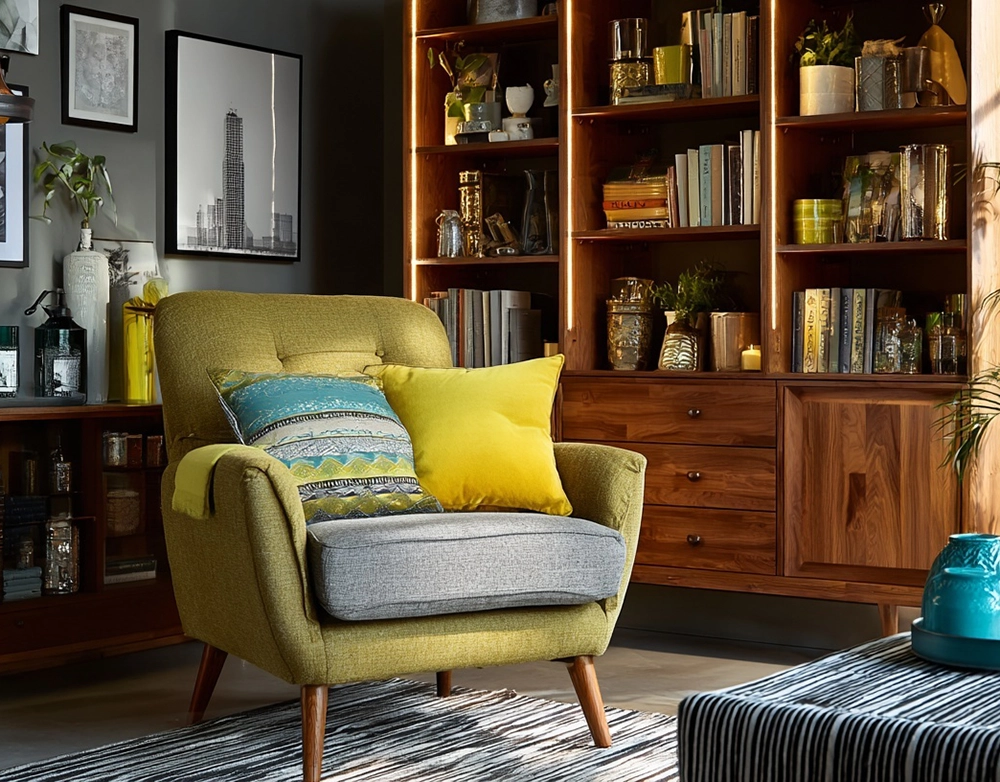
Scale and Arrangement Influence Perceived Space
The scale and arrangement of furniture dramatically affect how spacious or cramped a room feels. Oversized sofas in a small living room, for example, can shrink the space visually, making it seem less functional. Conversely, correctly proportioned pieces create flow and openness, allowing buyers to see the home’s true potential.
Staging professionals, especially leaders in staging furniture hire, often use minimalistic and well-measured furniture to enhance a property’s visual balance. This not only creates the illusion of more space but also subtly communicates that the home is well-considered and move-in ready.
Style and Cohesion Suggest Target Lifestyle
Buyers don’t just purchase a home; they buy into a lifestyle. The furniture used during staging tells a story about how life could unfold within the space. Clean lines and neutral tones might suggest a modern, low-maintenance lifestyle, while plush textures and classic silhouettes could appeal to buyers looking for warmth and tradition.
Cohesive styling across rooms signals consistency and care, both of which influence buyer confidence. A disjointed or overly eclectic selection can create a subconscious sense of chaos, making buyers question whether the home has been thoughtfully maintained. Aligning the interior style with the likely buyer demographic is a strategic move that increases emotional appeal.
Colours and Finishes Affect Emotional Response
Colour psychology plays a subtle yet critical role in shaping perception. Light, airy furniture helps brighten a space, often making it feel larger and more inviting. Darker finishes, when used strategically, can add a sense of luxury or sophistication but may risk making rooms feel smaller if overused.
Similarly, furniture finishes, such as matte versus gloss, or woodgrain versus lacquer, can impact the overall tone of a room. Buyers may associate natural materials with authenticity and quality, while overly synthetic looks might feel less enduring. These tactile and visual cues contribute to how buyers emotionally connect with a property.
Layout and Furniture Flow Direct Buyer Movement
Furniture placement doesn’t just fill a room; it directs how buyers move through and experience the space. Clear walkways, defined zones (such as reading corners or dining areas), and unobstructed sight lines all contribute to a smoother viewing experience.
Poorly arranged furniture can create visual clutter or block access, leading buyers to feel disoriented or even frustrated during inspections. On the other hand, a thoughtful layout ensures that each room’s function is clearly communicated and the overall property flow feels intuitive and livable.
Quality Signals Value and Care
Even when hired for staging purposes, the quality of furniture leaves a lasting impression. Worn, chipped, or obviously budget pieces can detract from the perceived value of the home. In contrast, well-maintained, stylish furniture suggests a home that has been equally well looked after.
Buyers often project the quality of furnishings onto the property itself. If the furniture feels premium, buyers are more likely to perceive the home as higher value. This perception doesn’t just influence their offer; it can also shorten time on market and reduce the need for price negotiations.
Furniture is More Than a Backdrop
Furniture isn’t merely decorative—it plays an active role in shaping buyer perception. From influencing spatial awareness to suggesting lifestyle and value, every piece contributes to the narrative a property tells. When selected and arranged with intent, furniture becomes a powerful tool in making buyers feel at home before they’ve even moved in.