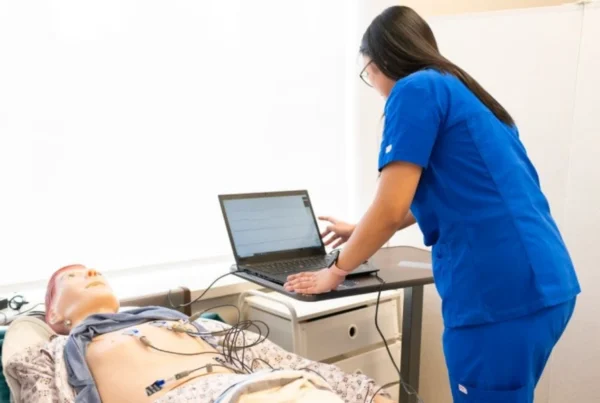
Healthcare professionals entered the medical field to help patients, not to drown in paperwork. Yet administrative tasks now consume nearly half of a physician’s workday, leaving less time for actual patient care.

The Growing Administrative Crisis in Healthcare
Medical practices face unprecedented administrative demands in today’s healthcare landscape. From insurance verifications to appointment scheduling, the paperwork never seems to end.
Studies reveal that physicians spend approximately 16 hours per week on administrative tasks alone. This burden contributes directly to burnout, which now affects over 60% of healthcare workers.
The situation has reached a critical point where something must change. Practices that fail to address this challenge risk losing talented staff and compromising patient outcomes.
Understanding the True Cost of Administrative Overload
Administrative inefficiency costs the U.S. healthcare system an estimated $265 billion annually. These expenses ultimately get passed on to patients through higher healthcare costs.
Beyond financial implications, administrative burden affects the quality of care patients receive. When physicians rush through appointments to catch up on paperwork, important details can be missed.
Staff morale suffers when team members feel overwhelmed by clerical duties. High turnover rates in healthcare administration create additional training costs and workflow disruptions.
Common Administrative Challenges Facing Medical Practices
Every healthcare facility struggles with similar administrative pain points. Recognizing these challenges is the first step toward finding effective solutions.
Patient Scheduling and Appointment Management
Coordinating patient appointments requires constant attention and communication. No-shows and last-minute cancellations create gaps that hurt revenue and efficiency.
Effective scheduling must balance provider availability with patient preferences. This juggling act becomes increasingly complex as practices grow.
Insurance Verification and Prior Authorizations
Verifying patient insurance before appointments prevents billing surprises. However, this process can take significant time, especially with complex coverage situations.
Prior authorizations for procedures and medications add another layer of complexity. Delays in obtaining approvals can postpone necessary treatments and frustrate patients.
Medical Records Management
Maintaining accurate, up-to-date patient records is both essential and time-consuming. Electronic health records have helped, but introduced their own challenges.
Data entry errors can have serious consequences in healthcare settings. Ensuring accuracy while maintaining efficiency requires dedicated attention.
Billing and Claims Processing
Healthcare billing involves complex coding systems and strict compliance requirements. Errors lead to claim denials, delayed payments, and revenue loss.
Following up on unpaid claims demands requires persistent effort. Many practices lack the resources to pursue every outstanding payment effectively.
Patient Communication and Follow-ups
Patients expect timely responses to their questions and concerns. Managing phone calls, messages, and emails can overwhelm front desk staff.
Appointment reminders and follow-up communications improve outcomes but require consistent effort. Without dedicated resources, these important touchpoints often fall through the cracks.
The Rise of Remote Support in Healthcare
The healthcare industry has increasingly embraced remote work solutions. Telehealth proved that quality care can be delivered beyond traditional office settings.
This shift has opened new possibilities for administrative support as well. Practices now recognize that many back-office functions don’t require on-site presence.
When you hire a virtual assistant for healthcare from Wing Assistant, you gain access to professionals who understand medical terminology and healthcare workflows. These specialists can handle administrative tasks remotely while maintaining strict confidentiality standards.
Key Tasks That Can Be Delegated to Remote Healthcare Support
Not every administrative function requires physical presence in your office. Identifying which tasks can be handled remotely helps maximize efficiency gains.
Appointment Scheduling and Confirmation
Remote assistants can manage your entire scheduling process efficiently. They handle incoming appointment requests, confirmations, and rescheduling needs.
Patients receive prompt responses without overwhelming your on-site staff. This improved responsiveness enhances patient satisfaction and reduces no-show rates.
Insurance Verification and Eligibility Checks
Verifying insurance coverage before appointments prevents billing complications. Remote specialists can complete these checks thoroughly and efficiently.
They contact insurance companies, document coverage details, and flag potential issues. Your clinical staff receives verified information before patients arrive.
Medical Transcription and Documentation
Converting voice recordings into accurate written records requires specialized skills. Medical transcriptionists understand terminology and documentation standards.
Remote transcription services can turn around documents quickly and accurately. This support helps physicians maintain complete records without spending hours typing.
Patient Intake and Data Entry
Collecting and entering patient information takes considerable time. Remote assistants can handle intake forms and update electronic health records.
They ensure data accuracy while freeing clinical staff for patient-facing duties. This division of labor improves both efficiency and care quality.
Prescription Refill Coordination
Managing prescription refill requests involves multiple steps and communications. Remote support can handle routine refills under physician supervision.
They contact pharmacies, verify patient information, and document all actions. Physicians review and approve requests without managing every detail personally.
Billing Support and Claims Follow-up
Submitting clean claims and following up on denials requires persistent attention. Remote billing specialists understand healthcare coding and payer requirements.
They can significantly improve collection rates and reduce accounts receivable days. This financial impact often justifies the investment in remote support.
Benefits of Remote Administrative Support for Healthcare
Implementing remote support solutions offers numerous advantages for medical practices. Understanding these benefits helps justify the investment to stakeholders.
Reduced Operational Costs
Hiring full-time, on-site administrative staff involves significant expenses. Salaries, benefits, office space, and equipment costs add up quickly.
Remote support typically costs less while delivering comparable or better results. These savings can be redirected toward patient care improvements.
Improved Staff Satisfaction
When clinical staff can focus on clinical work, job satisfaction increases. Reducing administrative burden helps prevent burnout among valuable team members.
Happier staff members provide better patient care and stay longer. Reduced turnover saves recruitment and training costs over time.
Enhanced Patient Experience
Patients notice when practices run smoothly, and staff seem less stressed. Shorter wait times and more attentive care improve satisfaction scores.
Prompt responses to inquiries make patients feel valued and respected. These positive experiences lead to better retention and referrals.
Greater Flexibility and Scalability
Practice needs fluctuate based on patient volume and seasonal factors. Remote support can scale up or down based on current demands.
This flexibility prevents overstaffing during slow periods and understaffing during busy times. You maintain appropriate support levels without long-term commitments.
Access to Specialized Expertise
Finding administrative staff with healthcare experience can be challenging locally. Remote hiring expands your access to qualified candidates significantly.
Specialists in medical billing, coding, or transcription may be unavailable in your area. Remote arrangements eliminate geographical limitations on talent acquisition.
Ensuring Compliance and Security with Remote Support
Healthcare organizations must protect patient information rigorously. Concerns about data security often make practices hesitant to adopt remote solutions.
HIPAA Compliance Requirements
Any remote support arrangement must comply with HIPAA regulations. This includes proper training, secure systems, and signed business associate agreements.
Reputable healthcare support providers understand these requirements thoroughly. They implement appropriate safeguards and documentation to maintain compliance.
Secure Technology Infrastructure
Remote healthcare support requires encrypted communications and secure data handling. Virtual private networks and compliant software platforms protect sensitive information.
Regular security audits and updates maintain protection against emerging threats. Practices should verify that providers meet current security standards.
Training and Confidentiality Agreements
Remote staff handling patient information need comprehensive HIPAA training. Documentation of this training protects practices in case of audits.
Confidentiality agreements establish clear expectations and legal protections. These agreements should be part of any remote support arrangement.
Implementing Remote Support Successfully
Transitioning to remote administrative support requires thoughtful planning. Following best practices ensures smooth implementation and optimal results.
Start with Clear Process Documentation
Before delegating tasks, document your current workflows thoroughly. Clear procedures help remote team members understand expectations precisely.
Include step-by-step instructions, common scenarios, and escalation protocols. This documentation becomes a valuable training and reference resource.
Establish Communication Protocols
Define how and when communication should occur between your team and remote support. Regular check-ins maintain alignment and catch issues early.
Use secure messaging platforms approved for healthcare communications. Clear protocols prevent misunderstandings and ensure timely information exchange.
Monitor Performance and Provide Feedback
Track key metrics to evaluate remote support effectiveness. Appointment scheduling accuracy, claim submission rates, and response times provide useful insights.
Regular feedback helps remote team members improve continuously. Constructive communication strengthens the working relationship over time.
The Future of Healthcare Administration
Healthcare administration will continue evolving with technology and workforce changes. Practices that adapt to new models will thrive while others struggle.
Artificial intelligence and automation will handle increasingly complex tasks. Human support will focus on situations requiring judgment and personal interaction.
Remote and hybrid work arrangements are becoming permanent fixtures in healthcare. Forward-thinking practices are building these capabilities now.
Taking Action to Transform Your Practice
Administrative burden doesn’t have to compromise your ability to care for patients. Solutions exist that can dramatically reduce this burden while improving outcomes.
Start by identifying your biggest administrative pain points. Prioritize the tasks that consume the most time or cause the most frustration.
Research potential solutions and partners who understand healthcare’s unique requirements. The right support can transform your practice’s efficiency and your team’s satisfaction.
Conclusion
Healthcare professionals deserve to spend their time doing what they trained for, caring for patients. Administrative overload has become an obstacle that practices must actively address.
Remote administrative support offers a proven path to reducing this burden. The combination of cost savings, improved efficiency, and better patient care creates compelling value.
Don’t let paperwork prevent you from providing the care your patients deserve. Explore how modern support solutions can transform your practice operations today.
The most successful healthcare organizations recognize that administrative excellence supports clinical excellence. They invest in systems and support that allow their clinical teams to focus on what matters most.
- About the Author
- Latest Posts

Our Editorial Team are writers and experts in their field. Their views and opinions may not always be the views of Wellbeing Magazine. If you are under the direction of medical supervision please speak to your doctor or therapist before following the advice and recommendations in these articles.