










How Mini Excavators Handle Ground Adjustments in Winter
-
- January 21, 2026

Winter brings unique challenges to excavation and landscaping projects. Frozen soil, frost heave, snow cover, and unpredictable ground stability can slow progress or even bring work to a halt. Yet for many contractors and property owners, winter projects can’t simply wait. This is where a mini excavator proves its value. Compact, versatile, and precise, it is well-suited for handling ground adjustments even in cold conditions—when used correctly.
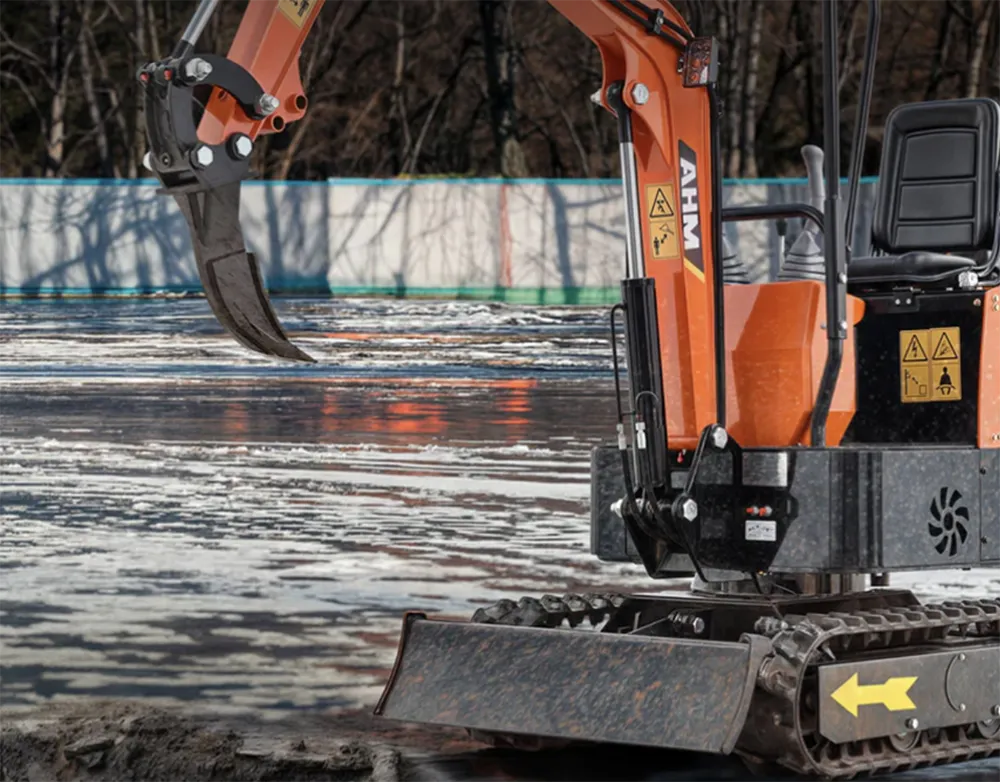
Understanding Winter Ground Conditions
Cold temperatures change the behavior of soil in several ways. As moisture in the ground freezes, soil becomes harder and more resistant to digging. Frost can penetrate several inches or even feet below the surface, depending on climate and soil type. During freeze–thaw cycles, the ground may shift, leading to uneven surfaces and instability.
Snow and ice add another layer of complexity. They hide surface conditions, reduce traction, and make it harder to judge grade and depth. Excess moisture during partial thawing can also turn work areas muddy and slippery, increasing the risk of equipment slippage.
Why Mini Excavators Are Well-Suited for Winter Adjustments
Mini excavators offer advantages that make them practical in winter environments. Their compact size allows them to access tight or partially snow-covered job sites where larger machines struggle. This is especially useful for residential projects, utility work, and landscaping tasks.
Precision is another major benefit. In winter, visibility of buried utilities or structures is often reduced. Mini excavators provide controlled movements and smooth operation, helping operators work carefully around sensitive areas. Additionally, their lighter weight and lower ground pressure reduce the risk of damaging frozen or unstable surfaces.
Key Mini Excavator Features That Improve Winter Performance
Modern mini excavators are designed with cold-weather performance in mind. Reliable hydraulic systems ensure consistent power, even when temperatures drop. Many machines also offer cold-start assistance and hydraulic oil options suitable for winter use.
Track choice matters in winter. Rubber tracks provide good traction on snow and reduce surface damage, while steel tracks offer better grip in icy or rugged conditions. Enclosed cabs with heaters, defrosters, and improved lighting help operators stay comfortable and focused, which directly impacts safety and productivity.
Common Winter Ground Adjustment Tasks
Mini excavators are commonly used for a variety of winter ground adjustments. Trenching in frozen or semi-frozen soil is one of the most frequent tasks, particularly for drainage or utility repairs. Grading and leveling uneven ground caused by frost heave is another common application.
They are also useful for backfilling and compacting soil after repairs, as well as clearing snow and ice from small work zones. With the right attachments, a mini excavator can handle multiple winter tasks without switching machines.
Techniques for Working with Frozen Ground
Successful winter excavation requires adjusted techniques. Rather than forcing the bucket straight down, operators often start by breaking the surface layer gradually. Working in shallow passes reduces stress on the machine and improves control.
Using the correct bucket or attachment is equally important. Narrow buckets concentrate force, making it easier to penetrate frozen soil. Adjusting digging angles and repositioning the machine frequently can also improve efficiency. In particularly hard ground, working in stages prevents excessive wear and reduces the risk of mechanical issues.
Safety Considerations in Winter Excavation
Winter conditions increase safety risks on any job site. Ice and snow can cause slipping or tipping, especially on slopes. Operators should maintain slow, deliberate movements and avoid sudden turns.
Visibility is another concern. Shorter daylight hours, snowfall, and fog can limit sightlines. Proper lighting, clean windows, and reflective gear help maintain awareness. Monitoring machine response is also critical, as cold temperatures can affect hydraulic performance and braking behavior.
Maintenance Tips for Winter Operation
Routine maintenance becomes even more important during winter. Using cold-weather hydraulic fluids—such as hydraulic jack oil formulated for low temperatures—helps maintain smooth hydraulic response and prevents sluggish operation in freezing conditions. Diesel fuel additives can also reduce the risk of gelling, while batteries should be checked regularly, as cold significantly reduces starting power.
Allowing the machine to warm up before heavy use protects internal components. After each job, clearing snow, ice, and mud from tracks and undercarriages prevents freezing and excessive wear. Regular inspections help identify small issues before they become major problems.
When to Delay or Modify Winter Ground Adjustments
Despite their versatility, mini excavators have limits. Extremely deep frost, unstable thawing soil, or severe weather conditions may make excavation unsafe or inefficient. In these cases, delaying work or using temporary solutions—such as surface grading or protective coverings—can prevent damage and reduce risk.
Understanding soil conditions and knowing when to pause is just as important as having the right equipment.
Conclusion: Maximizing Productivity with Mini Excavators in Winter
Mini excavators are valuable tools for winter ground adjustments when used with proper planning, technique, and maintenance. Their compact size, precision, and adaptability allow contractors and property owners to continue essential work despite cold conditions. By understanding winter soil behavior and preparing both equipment and operators, projects can stay on track year-round—even when the ground is frozen.
- About the Author
- Latest Posts

Our Editorial Team are writers and experts in their field. Their views and opinions may not always be the views of Wellbeing Magazine. If you are under the direction of medical supervision please speak to your doctor or therapist before following the advice and recommendations in these articles.


