
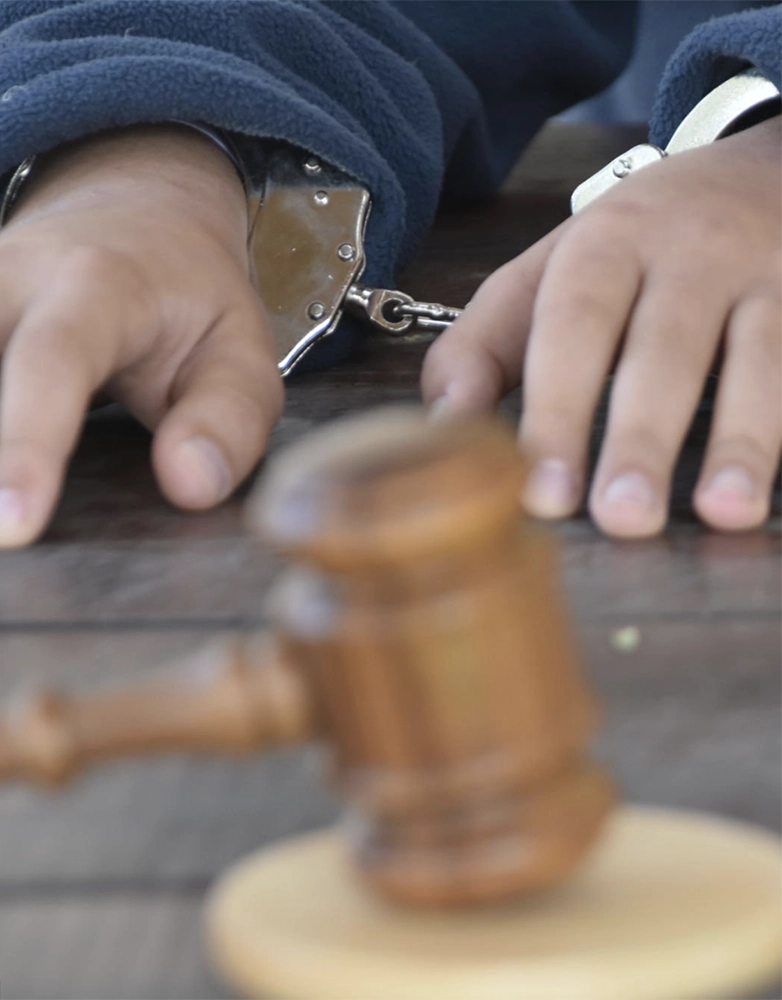
An arrest, even for a misdemeanor, can disrupt nearly every part of someone’s life. Time spent in jail before trial can cause job loss, financial instability, and emotional stress for the entire family. Bail exists to prevent those consequences by allowing defendants to return home while they await their court date.
Understanding how misdemeanor bail works and why it’s so important can make a huge difference for those trying to protect their livelihood, reputation, and family life during a legal process.
What Misdemeanor Bail Means
A misdemeanor is considered a less serious criminal charge than a felony, but it still carries legal and personal consequences. These charges include offenses such as petty theft, public intoxication, disorderly conduct, and some traffic-related crimes.
When someone is arrested for a misdemeanor, the court often sets a bail amount. This money or financial guarantee ensures the defendant will return for all future court appearances. Instead of staying in jail until the trial, the defendant can post bail, either on their own or through a bail bond and continue their life outside of custody.
The purpose of bail isn’t to punish but to act as a safeguard for the justice system. It balances the court’s need for accountability with the defendant’s right to freedom before conviction.
Why Bail Matters for Job Security
Even short periods of incarceration can have long-lasting professional consequences. Most people can’t afford to miss multiple days of work without losing their job, especially those employed in hourly or shift-based positions.
1. Avoiding Job Termination
Many employers have attendance or conduct policies that don’t accommodate jail time. An unexpected absence, especially one without communication, can quickly lead to termination. Posting bail allows defendants to return to work immediately, preventing unnecessary job loss.
2. Maintaining Professional Reputation
An arrest record can be difficult enough to manage. Missing work due to incarceration can raise suspicions or lead to workplace gossip, which may harm professional relationships. Bail allows defendants to continue working discreetly while handling their legal situation privately.
3. Protecting Income and Financial Stability
Even a few missed paychecks can make it hard to cover rent, bills, or childcare. Bail provides the opportunity to keep earning income, which in turn helps defendants stay on top of their financial obligations while preparing for court.
According to the Prison Policy Initiative, even brief incarceration can lead to long-term unemployment, especially for low-income workers. Bail is often the only safeguard against this spiral.
How Bail Protects Families from Emotional and Financial Strain
Families often feel the impact of an arrest as deeply as the person who is detained. The loss of a parent, spouse, or provider, even for a few days, can cause emotional distress and financial hardship.
1. Preserving Family Stability
When a family member remains in jail, it disrupts the home environment. Children may experience confusion, anxiety, or embarrassment. Bail helps restore normalcy by allowing the defendant to return home quickly and maintain daily routines.
2. Supporting Dependents and Caregiving Roles
Parents, caregivers, and providers are essential to household function. Without bail, dependents may lose access to transportation, meals, or supervision. By posting bail, families avoid sudden gaps in caregiving and reduce stress for children or elderly relatives who rely on daily support.
3. Preventing Financial Collapse
Legal fees, fines, and court costs already create enough financial pressure. When the primary earner is jailed, the situation can worsen quickly. Bail allows defendants to continue working and contributing financially to the household, keeping the family afloat.
4. Strengthening Emotional Health
Having a loved one in jail can cause feelings of shame and uncertainty. Quick release through bail minimizes that trauma. Returning home reassures families that life can continue while the legal process unfolds.
Why Misdemeanor Bail Supports Better Legal Outcomes
Bail doesn’t just help people stay employed and connected to family, it also plays a major role in how effectively they can prepare their defense.
1. Time to Work with Legal Counsel
Defendants who are released on bail have the time and access needed to communicate with attorneys, gather evidence, and attend meetings related to their case. Being out of jail gives them the freedom to participate in building a stronger defense.
2. Ability to Attend Court Prepared
Defendants who remain in custody often appear in court without preparation or appropriate documentation. Bail ensures they can present themselves properly and demonstrate responsibility, which may positively influence a judge’s perception.
3. Reduced Risk of Plea Pressure
Defendants held in jail sometimes accept plea deals simply to regain freedom. Those out on bail can take time to understand their options and make informed decisions without feeling coerced by confinement.
4. Better Post-Trial Reintegration
Those who stay employed and connected to family while awaiting trial have an easier transition back to daily life afterward. It helps reduce repeat offenses and keeps communities more stable.
The Difference Between Misdemeanor and Felony Bail
While both felony and misdemeanor defendants can post bail, the conditions and amounts differ. Felony charges often involve higher bail amounts and stricter conditions, such as travel restrictions or electronic monitoring.
Misdemeanor bail is usually more accessible and may be set at lower amounts. The process tends to move faster because misdemeanor cases are heard in lower courts. This allows defendants to post bail and return to their responsibilities with minimal delay.
Common Misunderstandings About Misdemeanor Bail
Many people underestimate the impact of misdemeanor arrests, assuming the process will be simple or automatic. Here are some common myths:
- Myth 1: Misdemeanor charges don’t require bail.
Many misdemeanor charges still require bail, especially if the person has prior offenses or missed court dates in the past. - Myth 2: Posting bail makes the charge go away.
Bail only allows release from jail. The legal process continues until the case is resolved. - Myth 3: Only wealthy people can afford bail.
Bail bond services make it possible for most people to secure release even when the full amount is too high to pay out of pocket. - Myth 4: Staying in jail is better to “get it over with.”
Jail time before trial doesn’t count as a sentence and can cause unnecessary hardship. It’s better to post bail and continue working on your defense.
The Broader Community Benefits of Bail for Misdemeanors
Misdemeanor bail doesn’t just help individuals and families, it benefits the community as a whole. People who maintain employment and family ties are less likely to reoffend. Keeping nonviolent defendants out of overcrowded jails also reduces the burden on taxpayers and allows law enforcement to focus on more serious cases.
The American Bar Association has emphasized that pretrial detention for low-level offenses often harms rather than helps justice. By using bail effectively, courts can promote accountability without disrupting community stability.