About 30% of adults put up with back pain, and it often feels like a life sentence that forces you to pause everything you love. People suffering from chronic disc issues struggle to perform basic tasks like lifting a grocery bag or sitting through a morning meeting. While traditional surgery once meant months of recovery and significant scarring, the landscape of spine health has shifted dramatically toward precision and speed.
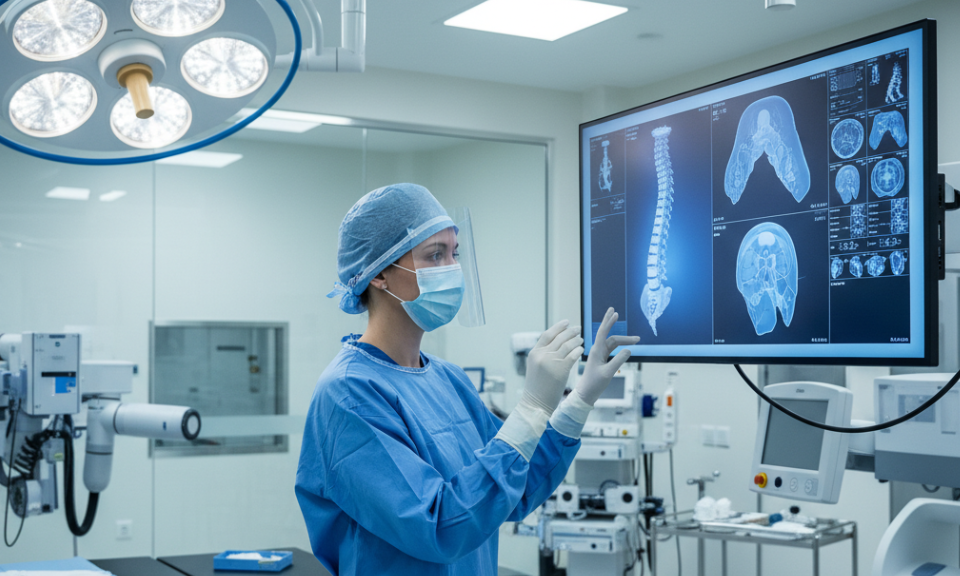
Modern spinal care prioritizes keeping your daily routine as uninterrupted as possible. Surgeons now utilize advanced technology to perform complex repairs through incisions that are often smaller than a postage stamp. By minimizing trauma to the surrounding muscles, you get back on your feet faster than previous generations ever thought possible.
Innovation Driving Faster Recovery
The transition from open surgery to minimally invasive techniques marks a turning point for patients seeking relief. Minimally invasive spine surgery relies on tubular retractors and endoscopic cameras to provide a crystal-clear view of the spine without large muscle detachment. This shift reduces the risk of post-operative infection and cuts hospital stays to just a few hours.
When you move less during the procedure, your body heals with much greater efficiency. Robotic assistance and 3D navigation now allow surgeons to place hardware with sub-millimeter accuracy. Advanced 3D imaging acts as a GPS for the spine, ensuring that critical nerves stay protected while the underlying issue is corrected.
These advancements change the surgical experience by focusing on these core benefits:
- Reduced disruption to back muscles
- Shorter time spent under general anesthesia
- Faster return to independent movement
If you find yourself stuck in a cycle of persistent pain, it is time to consult an expert. You can find a back doctor who specializes in these modern, less intrusive techniques to explore your options. Your recovery path should feel like a bridge back to your normal life rather than a long road of forced isolation.
Rehabilitation And Targeted Healing
Surgery is often only one part of the total recovery story. Once the mechanical issue is addressed, the focus shifts to restoring strength through guided movement and structured physical therapy, and to ensuring your transition home is handled with care.
Current protocols emphasize targeted manual therapy that encourages blood flow to the affected area. This approach is fundamentally different from the old method of strict bed rest. Instead of waiting for stiffness to set in, modern rehabilitation starts almost immediately.
Modern clinics also incorporate technology to keep you engaged throughout the process. Virtual reality immersion and motion analysis apps now make physical therapy exercises feel like a measurable game.
Patients who use these tracking tools show significantly higher adherence rates. When you can see your range of motion improving on a screen, the motivation to keep moving stays high.
Long Term Spine Health
Staying ahead of spine issues requires a proactive mindset. Maintaining a strong core provides the best natural support for your vertebrae, reducing the pressure on discs during daily activities. Small, consistent changes to your ergonomics at work or at home will help prevent micro-injuries that often lead to chronic pain.
If pain returns or feels unmanageable, early intervention remains the best strategy. Ignoring symptoms for months often complicates the recovery timeline and makes simple fixes impossible.
Your spine deserves the benefit of modern, targeted treatment designed for a rapid return to action. By choosing specialists who stay on the cutting edge, you secure a much higher quality of life. Also, doing a little research gives you the information necessary to make informed decisions about surgery and therpay options, rather than having to rely on expert insights alone.
Sustaining A Pain Free Lifestyle
Focus on these pillars to keep your back healthy and functional for years to come. Consistency with core stabilization exercises creates a foundation that protects your spine from unexpected stress.
Regular movement, even a brief walk, keeps the discs hydrated and resilient. Prioritizing these habits today prevents the need for drastic measures tomorrow, allowing you to stay active and mobile well into the future.
For more coverage of healthcare and wellness topics, stay put on our site. We’ve got all the content you need, whether you’ve got back pain issues, weight loss goals, or anything in between.
- About the Author
- Latest Posts

Our Editorial Team are writers and experts in their field. Their views and opinions may not always be the views of Wellbeing Magazine. If you are under the direction of medical supervision please speak to your doctor or therapist before following the advice and recommendations in these articles.