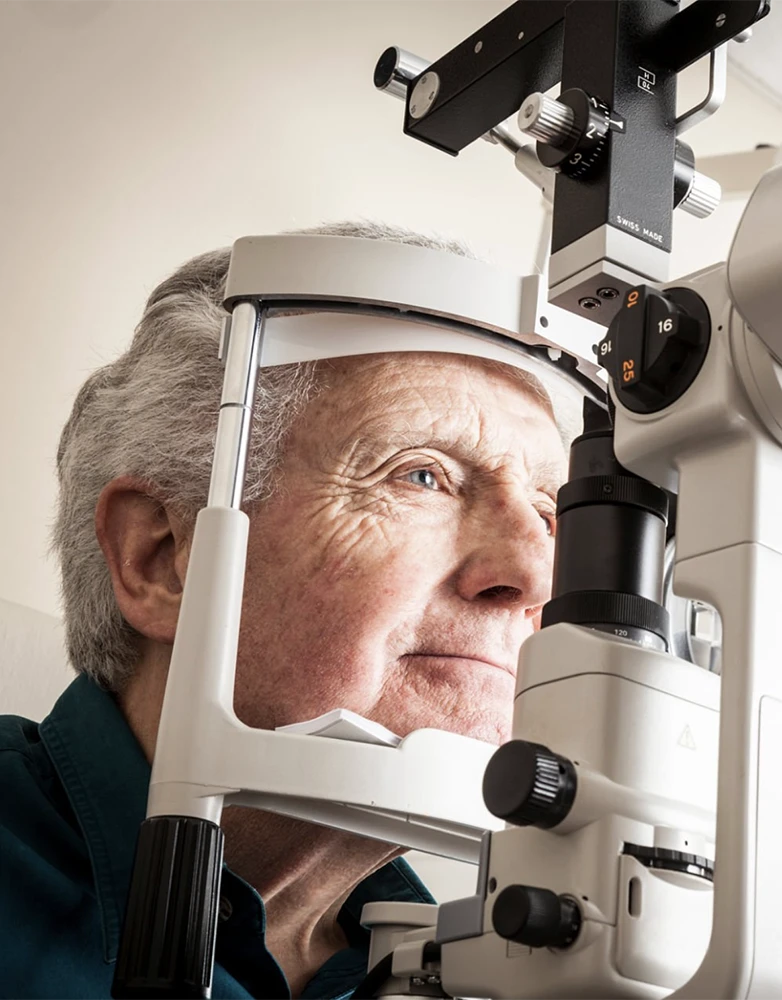
Most of us expect our eyesight to change gradually over time. Reading the menu may need a little more light, night driving can feel less comfortable, or colours may seem slightly duller than they once did. For many people, these subtle shifts are caused by the early stages of cataracts, an extremely common change in the eye.
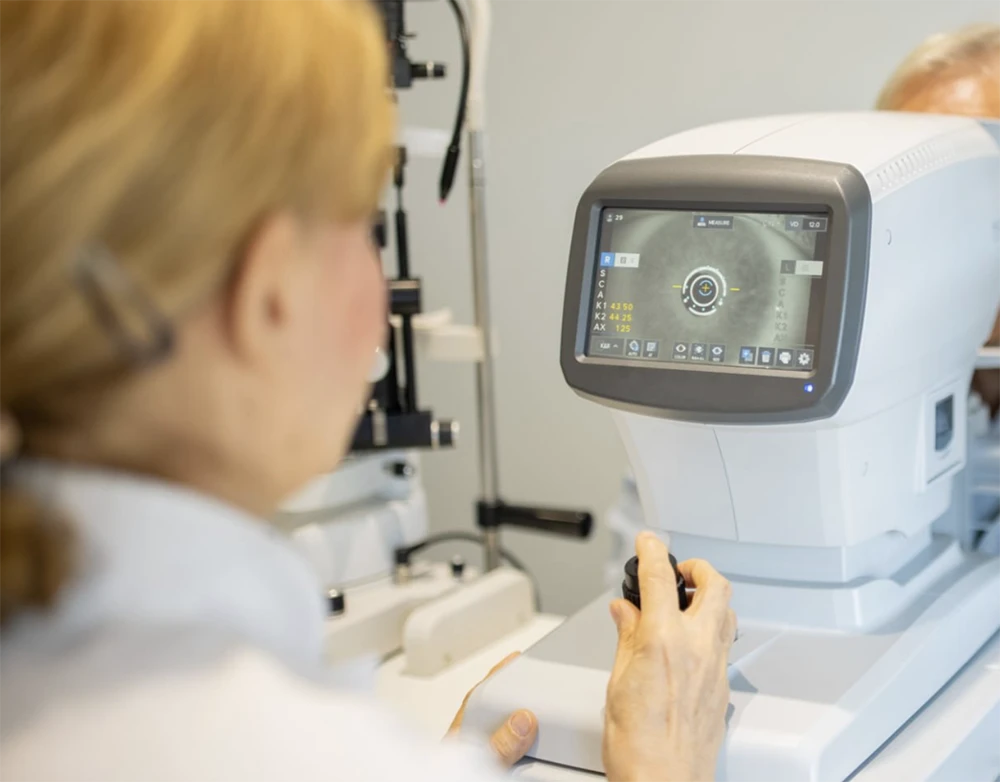
While the word cataract can sound daunting, treatment today is far more sophisticated, gentle and lifestyle-friendly than most people realise. Advances in lens technology and recovery techniques mean the patient experience has changed significantly in recent years.
“Cataracts are simply a clouding of the natural lens inside the eye,” explains consultant ophthalmic surgeon Mr Mfazo Hove. “They tend to develop slowly and can make vision feel hazy, dim or tired. The good news is that treatment has become incredibly refined, and people often have more options than they imagine.”
Below, he answers some of the most common questions people ask once cataracts begin to affect everyday life.
What actually happens during a cataract?
Inside each eye is a clear lens that focuses light onto the retina. Over time, proteins within this lens can thicken and lose transparency.
“You might notice glare from headlights, colours looking washed out, or feel that your glasses are ‘never quite right’ anymore,” says Mr Hove. “It’s usually a gradual process.”
Typical signs include:
• Hazy or cloudy vision
• Difficulty with night driving
• Needing brighter light to read
• Colours appearing more muted
• Frequent changes to glasses prescriptions
Cataracts can’t be reversed with drops or diet, but they can be safely removed and replaced with a clear artificial lens.
Modern treatment is no longer one-size-fits-all
For decades, cataract surgery focused on one outcome: clearer vision. Today, it can also support how people live and work.
“Many people are surprised to learn that the replacement lens can be chosen to suit their visual needs,” says Mr Hove. “Some lenses prioritise distance vision, while others are designed to reduce dependence on reading glasses.”
He emphasises that suitability varies from person to person and that careful discussion is essential.
“It’s not about promising a glasses-free life. It’s about helping someone understand what’s realistic for their eyes and their lifestyle.”
The part people often find hardest isn’t the surgery. It’s the drops
Cataract treatment itself is quick and comfortable, often completed within minutes. For some patients, however, the post-operative drops can feel like the most demanding part of the process.
“Traditionally, recovery involves several different drops used multiple times a day,” says Mr Hove. “For many people that’s manageable, but for others, particularly those with arthritis, carers, people living alone, or anyone sensitive to preservatives. It can be challenging.”
This is why newer dropless or reduced-drop cataract pathways are increasingly being offered.
“At Blue Fin Vision, we also offer dropless cataract surgery and lens replacement in suitable cases,” he explains. “This involves giving a small depot injection of steroid beneath the conjunctiva, along with anti-inflammatory medication delivered in the irrigation fluid during surgery. As a result, patients don’t need post-operative drops.”
More and more patients are choosing this option.
“It doesn’t remove the need for follow-up care,” he adds, “but it can make recovery simpler and more convenient. It’s not right for everyone, but it’s a valuable option for many.”
What does the procedure actually involve?
Most people are surprised by how straightforward cataract treatment has become.
“You’re awake but comfortable,” says Mr Hove. “The eye is numbed at the start of the procedure, the cloudy lens is removed through a tiny incision, and a clear artificial lens is put in its place. The incision is so small it often seals itself naturally.”
Patients usually go home the same day and notice gradual improvements in vision over the following days and weeks.
Is recovery difficult?
For most people, recovery is gentle and predictable.
“You may notice mild watering, grittiness or light sensitivity at first,” says Mr Hove.
“Vision improves as the eye heals, with full clarity developing over several weeks.”
Key recovery advice includes:
• Avoid rubbing the eye
• Use any prescribed medication as advised
• Attend follow-up appointments
• Seek advice promptly if anything feels unusual
Questions to ask before deciding on treatment
Mr Hove encourages people to be active partners in their care. Helpful questions include:
• What lens options are suitable for my eyes?
• How likely is it that I’ll still need reading glasses?
• Would a dropless recovery be appropriate for me?
• What does the follow-up schedule involve?
• Are there any factors that could affect my visual outcome?
“These conversations help people make confident, informed decisions,” he says. “Cataract treatment should feel clear and collaborative.”
Why this matters for daily life
Vision changes often happen so slowly that people adapt without realising how much they are compensating.
“I often meet patients who say they didn’t appreciate how much their vision had changed until after treatment,” says Mr Hove. “Seeing clearly again doesn’t just improve sight. It often restores ease, confidence and independence.”
With modern lens options and simpler recovery pathways, cataract treatment today is designed not only to clear cloudiness, but to support everyday life.
“The heart of modern cataract care is giving people choice,” he says. “Not just about how clearly they see, but about how they want to live.”
About the expert
Mr Mfazo Hove MBChB MD FRCOphth CertLRS is lead consultant ophthalmic surgeon and founder of Blue Fin Vision®, a consultant-led eye clinic with locations across London and the South East. Having performed over 50,000 eye procedures, he is known for combining advanced surgical expertise with clear, compassionate communication, helping patients feel informed and at ease about their eye health.