The Subtle Power of Surface and Shade
Poor furniture selections are not the reason why rooms fail. More often, they lack depth. Even well-styled spaces can not be completed without flat expanses of paint and predictable finishes. The variation of the surface adds character, and the atmospheres change in a moment by wise selection of colour.
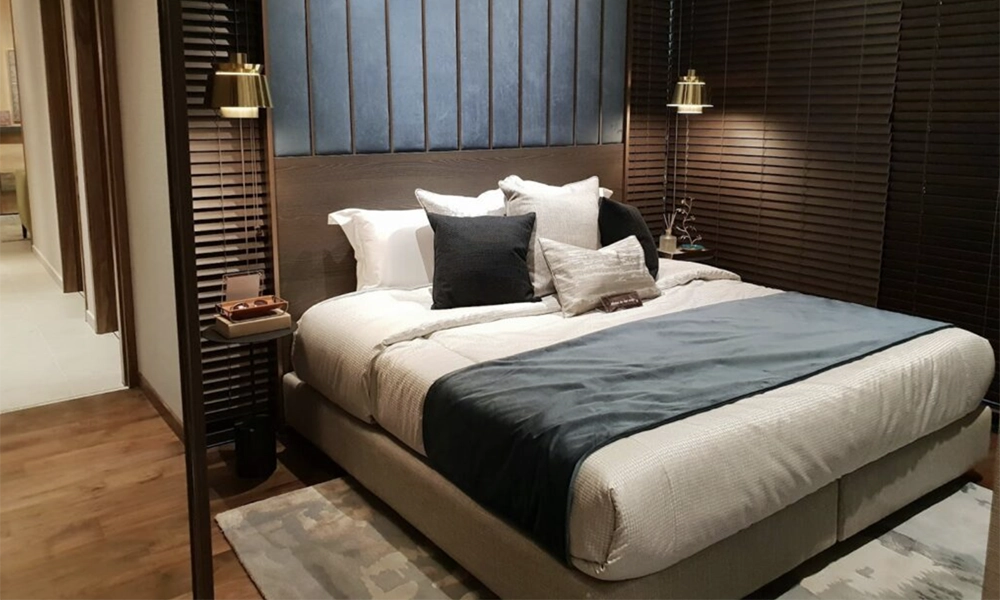
In modern-day design, tactile materials have ceased to be an accent and have become the main feature. Homeowners are now trying out ribbed finishes, geometric patterns and sculpted surfaces, which react to light during the day. Linda Barker wall panels have turned out to be a significant example of how a patterned installation can turn a plain backdrop into a striking focal point without overwhelming the wider scheme.
Light plays with raised detailing, increasing visual interest. The morning sun glides over grooves, producing subtle shadows which vary in the evening. That interplay brings movement to otherwise static walls, adding sophistication without clutter.
Why Texture Changes Perception
Before a word is uttered, texture changes the atmosphere of a room. Rough stone conveys sturdiness and tradition. Modernity and clarity are reflected in smooth gloss. Acoustic comfort and warmth are provided by soft fabric panels.
Think carefully about scale. Subtle fluting looks great in small spaces, but deep relief patterns command attention in bigger spaces. Vertical lines can make ceilings appear taller by drawing the eye upward. Narrow hallways are made wider by horizontal detailing, which extends proportions outward.
It becomes crucial to maintain equilibrium. The surrounding elements benefit from constraint when one surface has a lot of detail. Tactile details combined with sleek cabinetry or subtle flooring create harmony rather than competition.
Light as a Design Partner
Every ridge and curve is accentuated by lighting. Wall washers enhance sculptural shapes, whereas directed lighting offers a striking contrast. An ever-changing visual rhythm is created by the hourly shifts in natural sunshine.
Layered lighting adds even more complexity. By combining ambient lighting with concentrated beams, patterns may breathe while preventing harsh shadows from dominating the room.
Colour as an Emotional Anchor
Shade has a greater direct impact on mood than a single decorative accessory. Richness and closeness are evoked by deep emerald. A room is grounded with earthy serenity by muted clay tones. Openness and tranquillity are provided by pale neutrals.
Drama is created by contrast. Lighter furniture combined with a striking backdrop adds depth and character. In contrast, tonal layering provides subtle refinement by creating coherence through different intensities of the same shade.
Additionally, psychology is involved. Cooler colours promote focus in home offices, while warmer hues promote social interaction in living spaces. Softer hues that encourage rest and silent contemplation are frequently advantageous in bedrooms.
Patterned Panels as Statement Features
Narrative is carried by pattern. Order is introduced by geometric repetition. Movement and fluidity are suggested by organic themes. Beyond being aesthetically pleasing, three-dimensional designs encourage engagement through touch.
Paint and wallpaper are no longer the only materials used for feature walls. Sculpted installations transform common walls into conversation starters and provide architectural value to interior spaces. Textured cladding intentionally frames furniture when placed behind a bed, sofa, or dining table.
The choice of material is also important. Bathrooms and kitchens benefit from moisture-resistant coatings, and hallways and lounges are made cosier by wood-like surfaces. Durability ensures that the visual impact does not come at the expense of functionality.
Blending Modern and Classic Influences
When colour unifies the design, modern furniture and traditional detailing may coexist. A timeless design in a striking contemporary hue feels modern rather than outdated. Sleek designs in soft neutrals, on the other hand, complement heritage pieces perfectly.
Contrast is essential to design. Complexity is introduced without chaos by combining ribbed panelling with smooth marble or matte paint with shiny accents.
Achieving Cohesion Without Uniformity
Successful interior design avoids monotony. Visual fatigue is a problem when tone or texture is repeated on all surfaces. Rather, let one or two components take the lead while the others subtly assist.
Introduce accents that are tiny and reflect the main feature. Subtle connections are made throughout the space by cushions that reflect the hue of the wall or artwork that reflects pattern and geometry. Rather than precise replication, cohesiveness arises via thoughtful connections.
Editing is just as crucial as selecting. Clarity is maintained by resisting the temptation to apply several conflicting finishes. Impact is frequently amplified more effectively by thoughtful restraint than by excess.
Bringing Personality Into Every Room
Homes narrate the lives of the people living in them. Without any structural changes, texture and colour provide a means of expressing individuality. Confidence and creativity may be the results of a dramatic panelled backdrop in a dining space. The presence of soft, touchable finishes in a reading corner may be an indicator of cosiness and self-reflection.
Decisions should be made on personal taste rather than on passing trends. Using finishes that have an emotional appeal guarantees sustainability and happiness. Interiors do not feel accidental when surfaces interact with the senses, and colours are used to create the required mood.
Finally, careful application of patterned cladding and lively colours transforms ordinary spaces into unforgettable spaces. The combination of the tactile detail with well-thought-out colour can transform any room and move beyond the ordinary into the depth, warmth, and undeniable character.