How to Alleviate the Stress That Causes Physical Pain
Stress affects more than mood. When the body stays tense for too long, muscles may tighten, posture may shift, and everyday movement can start to feel…

Stress affects more than mood. When the body stays tense for too long, muscles may tighten, posture may shift, and everyday movement can start to feel uncomfortable. Physical pain linked to stress often appears in the back, neck, shoulders, jaw, and head because these areas commonly hold tension. Learning how to manage stress in practical ways can help reduce discomfort before it becomes more disruptive.
Understand How Stress Shows Up in the Body
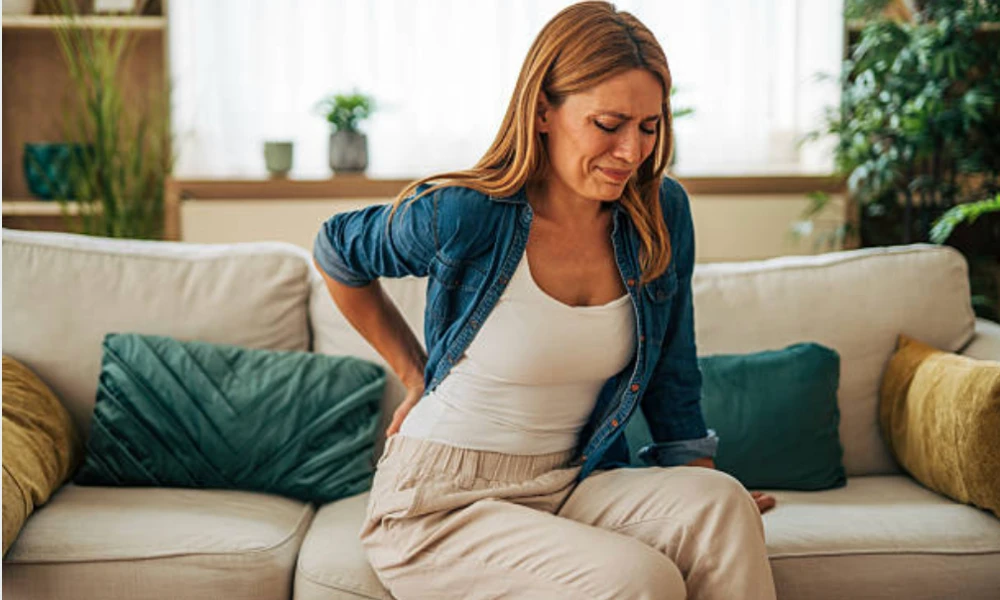
Stress can make the nervous system stay on high alert. When that happens, the body may respond with shallow breathing, clenched muscles, poor sleep, and reduced movement. Over time, those patterns can contribute to soreness or make existing pain feel worse. According to the provided back pain statistic, 29% of Americans believe stress is the cause of their back pain.
Recognising this connection is an important first step. A person who notices back pain after long workdays, emotional strain, or poor sleep may benefit from addressing both the physical discomfort and the stress behind it. Pain management is often more effective when tension, posture, movement habits, and recovery time are all considered together.
Use Gentle Movement to Release Tension
Movement helps the body process stress instead of storing it as stiffness. Walking, stretching, swimming, yoga, and low-impact strengthening can support circulation and loosen tight muscles. The goal is not intense exercise every time, but consistent activity that helps the body feel less restricted. Gentle movement can also improve mood by giving the nervous system a healthier outlet for stress.
For young people, regular activity is especially important because stress and inactivity can both affect physical well-being. According to the Centers for Disease Control and Prevention, children and adolescents need at least 1 hour of physical activity each day to support cardiovascular health and improve flexibility. Building that habit early can help reduce stiffness, improve resilience, and support healthier stress responses.
Improve Breathing and Relaxation Habits
Breathing techniques can help calm the body when stress starts to create physical tension. Slow breathing, especially when the exhale is longer than the inhale, can signal the nervous system to relax. This may reduce muscle guarding, lower shoulder tension, and make pain feel less intense. Even a few minutes of focused breathing during the day can interrupt the stress-pain cycle.
Relaxation habits also matter outside of stressful moments. A consistent bedtime routine, quiet breaks, and screen-free time before sleep can help the body recover. Poor sleep can make pain sensitivity worse, while better rest gives muscles and joints more time to reset. These small routines can support the body without requiring major lifestyle changes all at once.
Consider Supportive Care When Pain Persists
Some stress-related pain improves with movement, rest, and relaxation, but ongoing discomfort may require professional support. Chiropractic care, physical therapy, massage therapy, and medical evaluation may help identify posture issues, mobility limitations, or strain patterns. According to LLC Buddy, 75% to 84% of pregnant women who receive chiropractic therapy report reduced back discomfort.
Professional care can be especially helpful when pain interferes with daily activities, sleep, or work. A provider can recommend safe strategies based on the person's age, health needs, and symptoms. This is important because pain that feels stress-related can sometimes have multiple causes. Getting proper guidance helps prevent people from relying on guesswork.
Build a Daily Stress-Reduction Routine
A stress-reduction routine works best when it is realistic. Short walks, simple stretches, hydration, balanced meals, and regular breaks can all reduce strain on the body. People who sit for long periods may benefit from standing, changing positions, and gently moving the spine throughout the day. These habits can help keep stress from settling into the same painful areas again and again.
Emotional stress also needs attention. Journaling, talking with a trusted person, setting boundaries, or practising mindfulness can help reduce internal pressure. When the mind has a healthy way to process stress, the body may be less likely to respond with chronic tightness. Over time, these habits can make physical pain easier to manage.
Stress-related physical pain is often the result of repeated tension, limited recovery, and habits that keep the body on alert. Addressing it requires more than temporary relief. Gentle movement, better breathing, quality rest, and professional support when needed can all help reduce discomfort. By caring for both the body and the source of stress, it becomes easier to break the cycle and feel better day to day.
Filed underBack pain, Stress & burnout, Chiropractic, Rest & rejuvenation, Sleep