Modern bathrooms are about balancing comfort and practicality. A bathtub is perfect for a long soak after a tiring day, while a walk-in shower is great for when time is tight. Some people think it’s one or the other, but the truth is that they can coexist especially if done right.
In this guide, we’ll discuss practical layout ideas, material choices, and styling tips to make bathtubs and walk-in showers work together naturally.
Understanding Your Space: Layout and Size
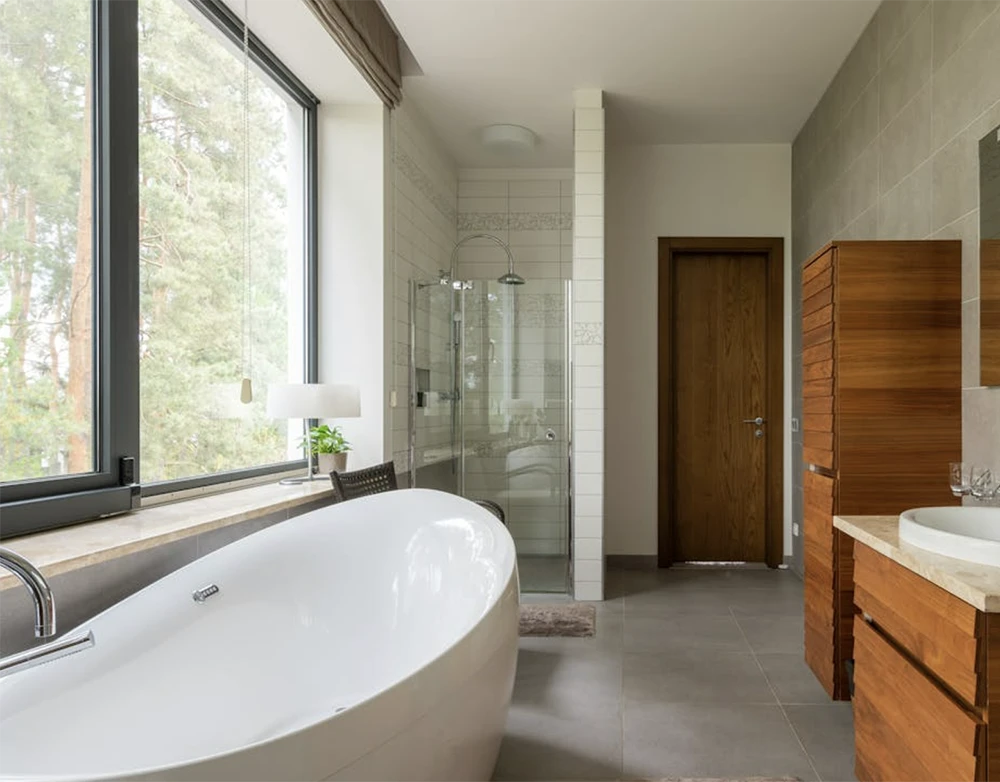
Before buying anything, it’s important to get a clear idea of the space available. Even a smaller bathroom can fit both a tub and shower if the layout is smart. Common setups include placing them side by side, creating an L-shaped arrangement, or having the tub along a wall with the shower next to it.
Think about how people will move around the room and what areas need a bit more privacy. When you measure these carefully, both features can fit comfortably and can make the space easier to use.
Picking Bathtubs and Showers That Work Together
The right bathtub and shower should complement each other. Freestanding tubs are striking and give a sense of luxury, while built-in tubs or alcove styles save space and pair well with adjacent showers. Frameless glass panels or simple enclosures are a safe choice to keep the look clean.
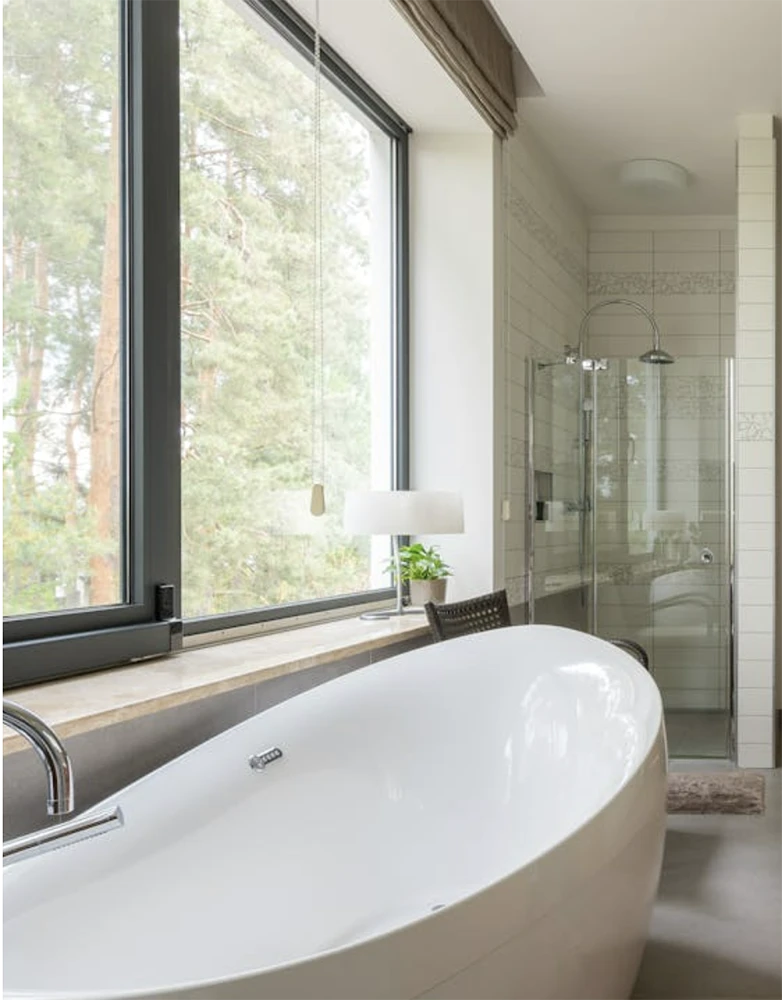
Imagine a freestanding bathtub with a minimalist walk-in shower right beside it. The combination feels balanced, inviting, and practical without overwhelming the room. Proportion is key so neither fixture dominates the space.
Materials and Finishes: Making It Look Intentional
Matching or coordinating finishes ties everything together. Bathtubs come in acrylic, stone, or enamel, while showers often feature glass, tiles, and metal fittings.
A little contrast can look good, such as a textured shower wall with a smooth tub surface, as long as the overall palette feels consistent. Coordinating taps, handles, and drains also helps create a cohesive look. Some simple rules to follow include:
- Stick to the same colour scheme for tiles, walls, and fixtures.
- Match metallic finishes across taps, handles, and drain covers.
- Mix textures carefully between tub and shower surfaces to keep things interesting.
Lighting and Accessories: Making Both Features Shine
You probably hear this a lot, but really, good lighting can make a huge difference. Overhead lights, wall-mounted fixtures, or recessed LEDs near the tub and shower highlight both areas. Mirrors can make the room feel bigger, and dimmable lights help set the mood for an evening soak.
Accessories like bath trays, towel racks, and small shelves add both style and function. It’s surprising how lighting and well-placed accessories can make a bathroom feel bigger and more inviting.
Common Pitfalls and How to Avoid Them
Even with planning, there are a few traps to watch out for. Cramped layouts, slippery floors, or mismatched styles can take away from the overall effect. These are easy to fix with small adjustments:
- Keep at least 600mm of space around the bathtub to move freely.
- Use frameless or minimal shower screens to reduce visual clutter.
- Make sure the floor drains properly to avoid pooling water.
- Add non-slip mats or rugs where needed for safety.
Styling Tips: Making the Two Features Feel Connected
A seamless look comes from consistent colours, shapes, and lines. Curves, matching or complementary forms, and thoughtful placement help the tub and shower feel part of the same design. Lifestyle touches like plants, candles, or bath accessories make the space more welcoming. Try these small tips:
- Keep colours consistent between walls, tub, and shower.
- Place accessories to balance both features visually.
- Use clear or lightly textured glass to keep light flowing and maintain openness.
- Simple details like these create a bathroom that feels calm, practical, and stylish.
Setting Realistic Expectations
Combining a bathtub and walk-in shower won’t feel perfect straight away. It takes some planning, patience, and trial and error. Think of it like arranging furniture in a living room. Each piece needs space to work without blocking the other. You should focus on what’s practical and how you use the bathroom day-to-day for the best results in the long run.
Bathtubs and Walk-In Showers: Function Meets Comfort
A bathtub and walk-in shower can coexist beautifully with a little thought. The benefits are obvious: a place to relax, a quick wash when needed, and a bathroom that works for real life. With careful planning, style choices, and attention to detail, it’s possible to create a space that feels both functional and a little indulgent.