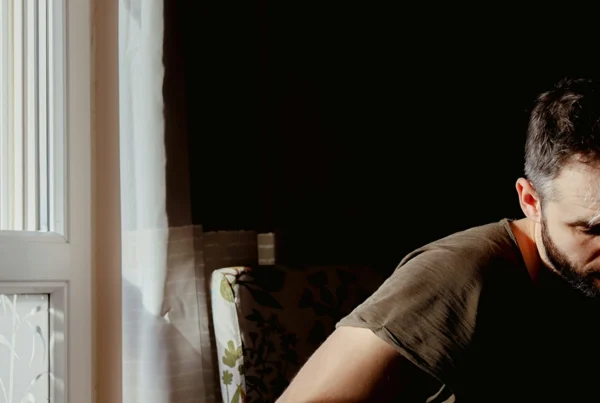
Post-traumatic stress disorder (PTSD) affects countless veterans, yet proving it to the Department of Veterans Affairs (VA) remains one of the toughest challenges in the disability claims process. Unlike visible injuries, PTSD can be invisible to the outside world, making it harder to capture in medical charts or service records. Veterans may live with nightmares, hypervigilance, panic attacks, or sudden mood swings, but unless these symptoms are properly documented, the VA may undervalue or even deny their claims.
A successful case requires more than filling out forms — it requires telling a clear and compelling story supported by evidence. From personal journals to expert evaluations, every piece of documentation builds credibility. With the help of an experienced West Virginia Veteran Disability Attorney, veterans can turn their lived experiences into a strong record that persuades the VA of the seriousness of their condition.
Turning Daily Struggles Into Written Evidence
PTSD does not follow a predictable pattern, making its symptoms often unexpected. Individuals may experience flare-ups that disrupt sleep or create challenges in public settings. By keeping a symptom diary, those affected can document their day-to-day struggles in a concrete way.
Veterans, in particular, can benefit from tracking not only when symptoms occur but also identifying their triggers, duration, and impact on daily routines. This detailed record serves as an important tool for understanding their condition more clearly.
When combined with medical evaluations, a symptom diary becomes even more powerful. For example, a journal that reveals recurring panic attacks provides valuable context to a doctor’s diagnosis, illustrating the ongoing nature of the condition much more effectively than a single appointment can.
Capturing the Unseen: Statements From Those Closest to You
Often, it is family members, friends, or coworkers who notice how PTSD changes a veteran’s behavior over time. These personal accounts can highlight patterns like increased isolation, irritability, or withdrawal from hobbies and social events.
These outside perspectives are especially persuasive because they show the ripple effect of PTSD. A spouse describing sleepless nights or children expressing fear of sudden anger episodes can paint a vivid picture of how PTSD disrupts not just the veteran’s life but also the lives of those around them.
Making the Service Connection Clear
For the VA, it’s not enough to prove that a veteran has PTSD — there must also be a clear connection to service. Veterans must link their current condition to a specific traumatic event, known as a “stressor.” This could be a combat mission, a training accident, or exposure to violence during deployment.
When service records don’t provide direct evidence, veterans can rely on buddy statements from fellow service members who witnessed the event. These firsthand accounts carry significant weight, especially when official documentation is missing or incomplete.
Using Employment and Performance Records as Evidence
Work history is often overlooked in PTSD claims, yet it can serve as powerful evidence. Patterns of absenteeism, disciplinary actions, or job loss may reflect how symptoms interfere with professional responsibilities. Performance reviews showing declining productivity can also help demonstrate the severity of the condition.
Employment records connect the dots between PTSD symptoms and practical consequences. They show the VA how invisible struggles translate into measurable setbacks, strengthening the case for compensation.
The Value of Independent Medical Opinions
VA medical exams are important for the claims process, but they may not always be detailed enough. Getting an independent medical opinion from a private psychiatrist or psychologist can help provide a clearer picture of a person’s condition. These professionals often use extra diagnostic tools and spend more time looking at symptoms, which leads to a more thorough assessment.
Independent evaluations can reduce the risk of VA examiners downplaying serious issues like PTSD. These assessments provide a deeper understanding of a veteran’s experience.
When an independent evaluation is combined with VA medical records, it creates a fuller and more convincing body of evidence. This strengthened documentation can enhance the overall credibility of a claim and support a veteran’s pursuit of the benefits they deserve.
Demonstrating the Long-Term Impact
PTSD often creates challenges that extend far beyond the initial trauma, shaping nearly every aspect of a veteran’s life. To strengthen a claim, it’s important to show how symptoms have persisted and interfered with daily living over time. Key examples include:
- Relationship strain – Difficulty maintaining family bonds, friendships, or intimate partnerships due to irritability, withdrawal, or emotional detachment.
- Missed milestones – Inability to attend family events, graduations, or holidays because of anxiety or avoidance behaviors.
- Employment struggles – Job loss, frequent absences, or limited career advancement caused by PTSD symptoms.
- Financial instability – Reduced earning capacity or unemployment leading to long-term money challenges.
- Social withdrawal – Avoiding public gatherings, crowded spaces, or community activities due to fear or hypervigilance.
- Declining quality of life – Ongoing sleep disturbances, flashbacks, or emotional numbness that hinder daily functioning.
- Documented persistence – Medical records, therapy notes, and personal statements that highlight the enduring nature of symptoms.
Organizing Evidence Into a Clear Narrative
The VA reviews thousands of claims, so presenting evidence in a clear and structured format makes a significant difference. Veterans should gather journals, medical records, statements, and service documents into a well-organized file. Including a personal written statement that ties everything together can serve as a roadmap for reviewers.
When evidence is scattered or poorly explained, important details may be overlooked. A carefully constructed narrative ensures that the full weight of the veteran’s story is recognized.
The Significance of Professional Guidance
The VA system is complicated, with strict requirements and frequent denials. Many veterans underestimate how difficult it can be to prove a claim, especially for conditions like PTSD, where evidence is subjective. Having professional support ensures that claims are complete, deadlines are met, and appeals are handled effectively.
Legal advocates understand how to frame documentation, highlight overlooked details, and push back against unfair denials. With their help, veterans can shift the focus away from bureaucracy and toward what matters most — recognition of their struggles and access to the benefits they have earned.