









How to Get the Right Coil Winding Service for Your Industrial, Medical, or High‑Tech Needs
-
- February 2, 2026

If you’re here because you’ve been asking “How do I find the right coil winding service for my project?” or “Can this service really make my motor, transformer, or medical device work better?”, you’re about to read the clear answer you’ve been searching for. Whether you’re in the medical industry, renewable energy, electronics design, or industrial manufacturing, this guide will explain what coil winding is, why it matters to you, and how to choose the right service step by step.
What Is Coil Winding and Why It Matters
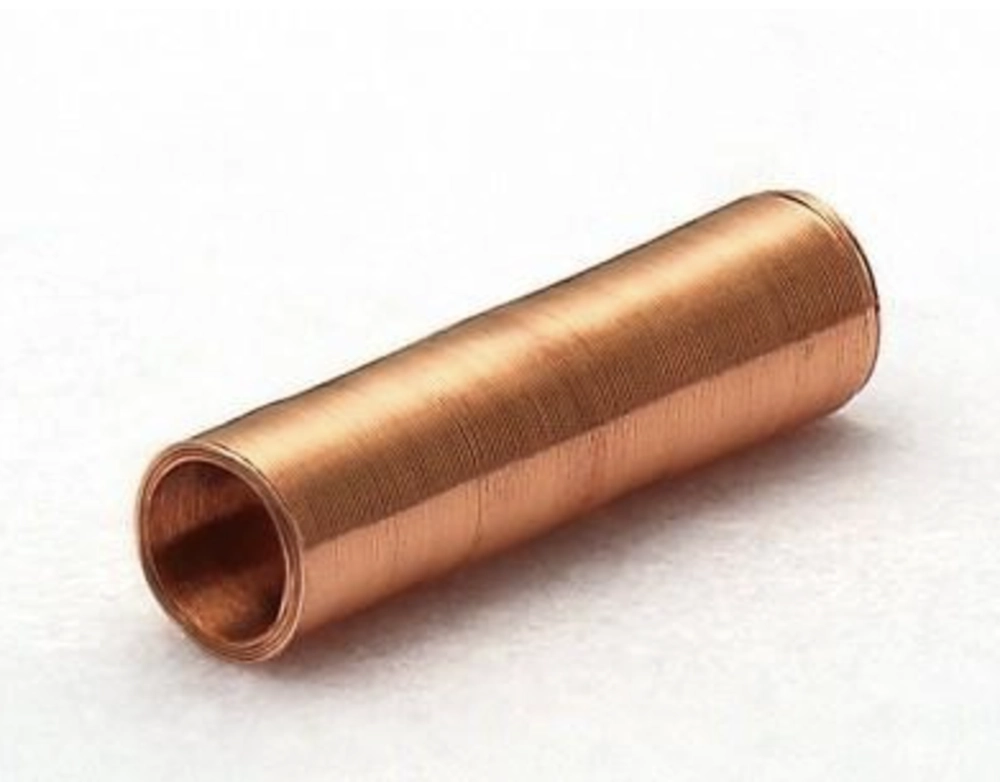
Coil winding is the process of wrapping wire, usually copper or aluminum, into precise shapes to make parts of electric and magnetic systems. These coils are the heart of lots of tech: motors, transformers, inductors, sensors, even some medical imaging tools and solar inverters.
The winding pattern, number of loops, and quality of the work directly affect how well your device performs, so a bad winding job can mean overheating, energy waste, short life, or failure. That’s why choosing the right coil winding service is not a small detail, it’s essential.
Who Actually Uses Coil Winding?
This isn’t just tech speak; these are real-world applications that keep systems running reliably.
You’ll find coil winding in:
- Motors and generators used in industrial machines
- Transformers that power electronics or factory equipment
- Medical devices that need exact electromagnetic performance
- Solar power electronics and inverters
- Automotive electrics, especially EV motors
- Communication gear and sensors
If your application demands precision, efficiency, and durability, standard off‑the‑shelf parts might not cut it, and that’s when precision coil winding services matter.
How to Get the Right Coil Winding Service: Step by Step
Here’s how to confidently choose and evaluate a coil winding partner you can trust:
1. Understand Your Technical Needs First
Before even talking to a service provider, know:
- What type of coil you need
- The wire diameter and insulation required
- Power, voltage, and magnetic characteristics required
This helps you explain your goals clearly and gets you accurate quotes.
2. Ask About Precision and Quality Controls
Great coil winding services test every finished coil. They don’t just wrap wire; they check it electrically and mechanically to make sure it will actually perform under real‑world conditions.
3. Check Their Range of Capabilities
Not every service works with ultra‑thin wire or complex designs. Make sure your provider can handle your exact specifications — whether that’s high‑temperature insulation, miniature medical coils, or heavy industrial windings.
4. Quality Assurance and Testing
Experienced providers perform electrical testing and often give documentation showing how the coil was built and how it performs. This is crucial if you’re using it in high‑risk or regulated environments.
5. Turnaround Time & Communication
Good communication matters. You want a partner who listens to your requirements, provides realistic timelines, and clearly updates you on progress, especially with complex custom windings.
Benefits of Precision Coil Winding You Should Know
Getting this right doesn’t just mean a coil wrapped neatly — it means:
Better performance — your system runs efficiently
Longer lifespan — less heat, fewer failures
Tailored designs — made for your exact specs
Reliable testing — documented proof of performance
Support for innovation — even small or unique runs can be done right
For industries like medical or renewable energy where reliability is non‑negotiable, these benefits aren’t “nice to have” — they’re must‑haves.
What to Watch Out For
Here are a few common red flags when picking a coil winding partner:
No documentation or testing reports
Only manual winding without precision control
Can’t handle the exact wire sizes or insulation you need
Poor communication or unclear timelines
Avoiding these early saves you time, money, and frustration down the line.
FAQs
1. Can any shop do coil winding for medical equipment?
No, medical applications need precise specs, testing, and quality controls.
2. How long does a precision coil winding job take?
It depends on complexity, but good services will give clear timelines before work starts.
3. Will custom coil winding cost more than buying ready parts?
Usually yes, but you pay only for what you need, and the performance benefits justify the cost.
- About the Author
- Latest Posts

Our Editorial Team are writers and experts in their field. Their views and opinions may not always be the views of Wellbeing Magazine. If you are under the direction of medical supervision please speak to your doctor or therapist before following the advice and recommendations in these articles.


